
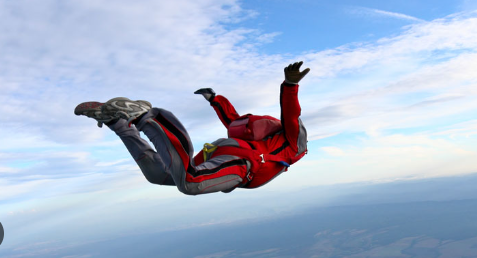
Tracking forward in skydiving is an important skill for experienced jumpers who want to enhance their performance and navigate effectively in the sky. This advanced technique allows skydivers to move horizontally during freefall, which can be crucial for landing accuracy and formation flying. In this blog post, we will explore the steps and tips to help you master tracking like a pro.
1. Understanding the Basics of Tracking
Before you can effectively track forward, it’s essential to grasp the fundamentals. Tracking involves controlled body position adjustments that help you move laterally during freefall. The goal is to maintain stability while creating the necessary aerodynamic forces to propel yourself in the desired direction. A well-executed tracking position requires proper body alignment, utilizing both your arms and legs efficiently.
Common misconceptions include thinking that one part of the body does all the work. In reality, effective tracking relies on the coordinated movement of all body parts. For example, spreading your arms and legs increases surface area, which accelerates horizontal movement. Furthermore, your head should be tilted slightly down and forward to maintain a streamlined position without sacrificing stability.
-
- Practice tracking in calm weather conditions.
-
- Keep head slightly forward to maintain sight on your trajectory.
-
- Breathe deeply to remain relaxed during your jump.
-
- Utilize hand signals with your dive partner for real-time feedback.
2. Perfecting Your Body Position
Your body position can make or break your tracking effectiveness. A staggered or flat position is generally preferred, wherein your torso is slightly angled, your arms are extended to the sides, and your legs are either spread or in a light squat. This body shape reduces drag while allowing for better horizontal movement. Make sure to maintain a balance between rigidity for control and relaxation to avoid unnecessary air resistance.
In addition, pay attention to the position of your arms and legs. If your arms are too high, you’ll create excess drag, while legs that are too tight can hinder freedom of movement. Keep your arms at approximately shoulder height and your legs extended behind you—this alignment is crucial for effective tracking. Practicing in a wind tunnel or watching video recordings of your jumps can also provide insights into refining your body position for better tracking.
-
- Always practice warm-ups on the ground.
-
- Use a video camera to review your body position post-jump.
-
- Ask for feedback from more experienced skydivers.
-
- Identify personal habits that may cause inefficiency in tracking.
3. Developing a Tracking Routine
Cultivating a consistent tracking routine is vital, especially for those looking to master this skill. Establish a practice that includes multiple jumps focused solely on tracking, followed by a debrief with a mentor or fellow skydiver. Over time, you’ll develop an intuitive feel for how to maneuver your body to achieve your desired trajectory, whether solo or in a group setting.
Consider incorporating specific drills during your tracking jumps, such as targeting a visible ground point to maintain a straight flight path or practicing lateral movements. The more repetitions you include in your training, the more muscle memory will develop. Keep track of your progress by maintaining a jump log, allowing you to analyze what works and what may need adjusting in your technique.
-
- Set clear goals for each tracking jump.
-
- Focus on one skill at a time (e.g., body position or lateral drift).
-
- Consider joining a tracking-specific skydiving group.
-
- Regularly log your jumps to track improvements.
4. Using Visual and Auditory Cues
Effective tracking isn’t just about body position; it’s also about awareness of your surroundings. Utilize visual cues like the horizon or other skydivers to maintain orientation during your jump. Recognizing changes in the landscape as you fall can aid in your adjustments. Furthermore, auditory signals like a dive team member shouting instructions or feedback can provide real-time guidance, enhancing your tracking experience.
In challenging conditions, where visibility can be limited, it becomes even more critical to trust your other senses. Listening for the sounds of the wind or your teammates can help you gauge your spatial awareness. Experiment with various ways of receiving cues, so you become adept at making adjustments without visual confirmation.
-
- Identify reliable visual landmarks to track against during your jump.
-
- Coordinate signals with your jump partner before exiting the plane.
-
- Practice jumping with others who can provide immediate feedback.
-
- In low-visibility conditions, rely on your depth perception and wind sounds.
Mastering the art of forward tracking in skydiving takes practice, patience, and dedication. By understanding the basics, perfecting your body position, establishing a solid routine, and honing your situational awareness, you can significantly enhance your tracking ability. Embrace the challenge, and don’t hesitate to consult with experienced skydivers or coaches to refine your skills further.