
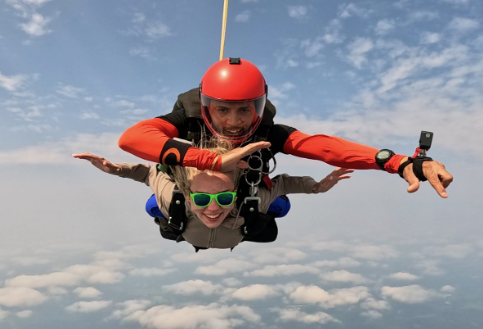
Freefalling can be an exhilarating experience, but forgetting to breathe properly can turn this thrill into a troubling endeavor. Mastering your breathing while in freefall helps to enhance your overall experience, allowing you to stay calm and focused in the face of adrenaline. In this blog post, we will explore effective techniques for maintaining proper breathing as you dive from the sky.
1. Understanding the Effects of Freefall on Breathing
Freefalling subjects your body to rapid changes in pressure and altitude, impacting your respiration. The sudden drop can trigger a fight-or-flight response, causing your heart rate to increase and making your breathing shallow. Recognizing these physiological changes is the first step in learning proper breathing techniques in freefall.
As you exit the plane and begin to plummet towards Earth, the instinct is often to hold your breath or breathe too quickly. Instead, you should allow your body to find a rhythm. Focusing on how your body feels can assist you in maintaining appropriate breath control so you can enjoy the descent while staying relaxed.
-
- Stay aware of your body’s reactions during freefall.
-
- Allow for slower, deeper breaths as you position yourself in the sky.
-
- Practice mindfulness to ease anxiety and foster calmness.
-
- Use relaxation techniques to help manage increased heart rate.
2. Techniques for Breathing During Freefall
One effective technique for maintaining proper breath during a jump is diaphragmatic breathing. This method engages the diaphragm, allowing you to take deeper breaths that fill your lungs more effectively. By relying on the diaphragm instead of the chest, you can increase oxygen intake and promote relaxation.
To practice diaphragmatic breathing, place one hand on your chest and the other on your abdomen. As you inhale, focus on expanding your abdomen rather than your chest. This deep breath technique helps maintain calmness and reduces feelings of panic as you accelerate through the air. The key is to get comfortable with this technique before you jump, so when adrenaline hits, it becomes second nature.
-
- Practice diaphragmatic breathing on solid ground before jumping.
-
- Inhale deeply through your nose, focusing on your abdomen.
-
- Exhale slowly through your mouth, allowing any tension to dissipate.
-
- Repeat this breathing pattern to establish a rhythm before the jump.
3. Staying Calm and Focused in the Moment
Being aware of your surroundings during freefall can help divert your focus from potential panic. The vastness of the sky can feel overwhelming, especially during your first jumps. Learning to anchor your thoughts can assist with maintaining a clear mind, which directly affects your breathing.
Whenever possible, use visualization techniques to keep your mind relaxed. Picture a steady, safe environment, and remind yourself that you are well-trained and prepared. This focus on positive imagery can prevent anxiety from taking over and allows you to return to a more natural rhythm in your breathing.
-
- Use visualization before the jump to create a calm mindset.
-
- Focus your thoughts on your jump plan and experience, not on fear.
-
- Rehearse your techniques mentally to build confidence.
-
- Practice mindfulness exercises to enhance focus.
4. Post-Fall Breathing Techniques
Once you have landed safely, it’s essential to continue focusing on your breathing, especially if you feel disoriented or overwhelmed. Engaging in calming post-fall breathing techniques can help ground you, bringing heart rates back to normal and alleviating anxiety. Take a moment to reflect on the jump and how your breathing felt during the experience.
After your landing, find a quiet space where you can practice your breathing techniques. Resume deep diaphragmatic breaths, inhaling for a count of four, holding for a two-count, and exhaling for a count of six. This can greatly assist in transitioning back to a calm, relaxed state and can create a sense of closure for your freefall experience.
-
- Take deep breaths for several minutes post-landing.
-
- Utilize the same diaphragmatic breathing technique to ground yourself.
-
- Reflect on the jump and identify moments of calm during the fall.
-
- Gradually check in with your mental and emotional state.
In conclusion, mastering the art of breathing during freefall not only enhances your experience but also prepares you for future jumps. By honing these techniques, you can elevate your confidence in the air and embrace the thrill fully. Consider practicing these techniques before your next jump and remember to focus on nurturing your mind and body while diving into the adventure. Happy skydiving!