
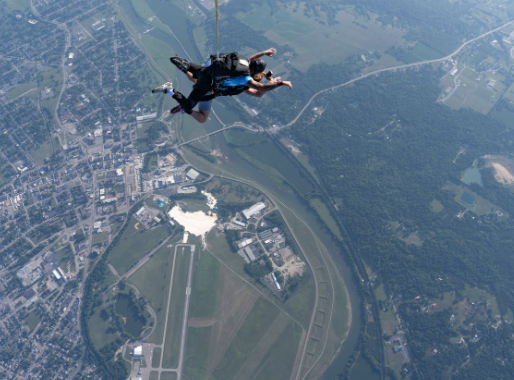
Skydiving is an exhilarating adventure that pushes the boundaries of our physical and mental capabilities. Among the many experiences it offers, the interplay of adrenaline and dopamine is particularly fascinating. Let’s explore how these chemicals affect us during this extreme activity.
1. The Rush of Adrenaline
Adrenaline, also known as epinephrine, is a hormone released by the adrenal glands during moments of stress or excitement. When you jump out of a plane, your body goes into “fight or flight” mode, triggering a significant release of adrenaline. This surge elevates your heart rate, increases blood flow to your muscles, and heightens your senses, enabling you to react quickly to your environment.
The euphoric feeling often associated with skydiving can largely be attributed to this chemical boost. Many jumpers report feeling an overwhelming sense of joy and empowerment as they freefall, a sensation that often lingers long after the jump. It creates a unique cocktail of fear and thrill that many find addictive, encouraging them to continue skydiving.
-
- Understand your body’s reaction to adrenaline.
-
- Practice breathing techniques to control excitement.
-
- Prepare mentally for the jump to harness adrenaline’s effects.
-
- Reflect on your feelings post-jump, focusing on adrenaline’s impact.
2. The Joy of Dopamine
Dopamine is a neurotransmitter often described as the “feel-good” hormone. It plays a crucial role in reward and pleasure centers in the brain. After an adrenaline-driven event like skydiving, your brain shifts gears, releasing dopamine, which contributes to the overall enjoyment of the jump and the sense of accomplishment you feel afterward.
This release of dopamine can foster a sense of euphoria, rewarding you for taking the leap—both literally and metaphorically. It can lead to what’s often referred to as a “high,” as you bask in the afterglow of your experience. The thrill, combined with the satisfaction of overcoming fear, creates a powerful emotional reward that many skydivers chase with each jump.
-
- Find a supportive community of fellow skydivers.
-
- Keep a journal to document your feelings and experiences.
-
- Set personal goals for each jump to enhance your dopamine release.
-
- Reflect on what motivates you to skydive and hit those dopamine highs.
3. The Balance Between Fear and Euphoria
Navigating the two extremes of fear and euphoria is an essential part of the skydiving experience. As your body is bombarded with adrenaline, the potential for fear is balanced by the subsequent rush of dopamine. This intricate balance fosters resilience and can help individuals confront fears outside of the jump.
Learning to manage the initial fear can enhance the feeling of euphoria that follows. This connection can translate into everyday life, as jumpers find themselves more prepared to handle stressful situations. Understanding the interplay between these chemicals can provide insight into personal reactions during and after the jump.
-
- Practice visualization techniques before your jump.
-
- Focus on the accompanying thrill rather than fear.
-
- Engage with experienced skydivers to learn coping strategies.
-
- Consider professional training to gain confidence in your jumps.
In conclusion, the effects of adrenaline and dopamine during skydiving offer more than just thrills; they provide opportunities for personal growth and self-discovery. If you’re feeling inspired, consider taking the leap for yourself or reaching out to fellow jumpers for support and guidance in your skydiving journey.