
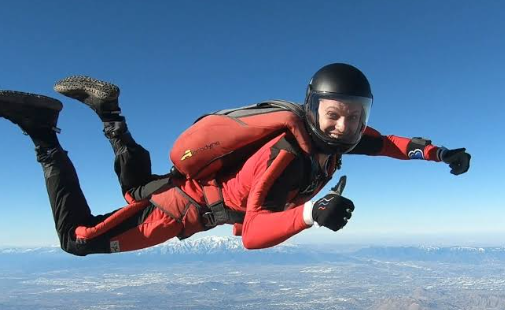
If you’re dreaming of the exhilarating rush of free-falling through the sky, a career as a professional skydiver might be your calling. This exciting path combines adventure with skill, demanding dedication and a love for the skies. Here, we’ll guide you through the essential steps to transform your passion for skydiving into a professional career.
1. Understand the Requirements
Before you leap into this thrilling profession, it’s vital to understand the prerequisites. Most skydiving schools require candidates to be at least 18 years old and hold a valid medical certificate. This certificate ensures you’re physically fit for the activity and helps identify any health concerns that may arise during skydiving. It’s also essential to have a strong grasp of the risks involved and a commitment to safety protocols.
Moreover, aspiring professional skydivers often start with a beginner course, commonly known as the Accelerated Freefall (AFF) program. This involves ground training followed by jumps while closely monitored by instructors. The more someone practices and trains, the more adept they become at handling various situations in the air.
-
- Check for age and health requirements before enrolling.
-
- Obtain a valid medical certificate.
-
- Consider enrolling in an AFF program for structured training.
-
- Familiarize yourself with safety regulations and guidelines.
2. Acquire Your Skydiving Licenses
Once you’ve completed your AFF training, the next step is to obtain the necessary licenses. The first license to aim for is the A-License, which requires completing a minimum of 25 jumps. This license allows you to skydive independently, but you must demonstrate your skills in landing, emergency procedures, and basic canopy control. Once you have your A-License, you’ll be able to tackle more complex jumps and gain additional certifications.
As you advance, pursuing higher licenses such as B, C, and ultimately D is critical. Each subsequent license demands more jumps, hours of training, and a broader skill set. These licenses provide the credentials necessary to apply for professional roles within the skydiving community, including instructor positions or technical roles such as safety personnel.
-
- Log all your jumps and conditions to track your progress.
-
- Complete the requirements for your A-License first.
-
- Seek mentorship from experienced skydivers.
-
- Invest in additional training to prepare for higher licenses.
3. Gain Experience and Build a Network
Like many careers, experience is crucial in skydiving. Engaging in regular jumps not only enhances your skills but also helps you build a reputation within the skydiving community. Networking with fellow skydivers, instructors, and professionals creates opportunities for mentorship and job offers. Many aspiring professional skydivers speed up this process by volunteering at skydiving centers, which provides vital insights into the operational side of the business.
Additionally, consider participating in competitions and events where you can showcase your skills. Not only does this highlight your expertise, but it also attracts potential employers looking for talent. These platforms can lead to professional affiliations that bolster your resume and boost your credibility as a skydiver.
-
- Attend skydiving events and competitions regularly.
-
- Volunteer at your local skydiving center to gain insights.
-
- Connect with experienced skydivers for advice and mentorship.
-
- Promote your skills on social media and skydiving platforms.
4. Consider Specializations
As you delve deeper into your skydiving career, think about specializing. The skydiving field offers a plethora of paths, including but not limited to wingsuit flying, accuracy landing, and military-style jumps. Specializing allows you to hone specific skill sets and increase your chances of employment in niche fields, which often have higher demand but fewer qualified candidates.
Furthermore, specializations can lead to unique jobs beyond traditional skydiving instructor roles. Options include filming jumps for documentaries, providing skydiving experiences for adventure tourism companies, or working with elite teams that require precision and expert skills for exhibitions or competitions.
-
- Research various areas of specialization in skydiving.
-
- Assess your interests and strengths to choose a focus.
-
- Seek additional training or certifications in your chosen area.
-
- Network with professionals in your specialized field.
5. Stay Current with Training and Regulations
As with any profession, the landscape of skydiving constantly evolves, with new techniques and technologies emerging. Continuing education is fundamental. Attend workshops, seminars, and training sessions to stay updated on the latest safety regulations, equipment, and best practices within the industry. Keeping your skills sharp and knowledge current ensures you remain a qualified professional.
Moreover, participating in refresher courses is essential for maintaining licenses and adhering to safety standards. Many skydiving organizations require practitioners to complete periodic training and assessments to ensure that their skills remain relevant and safe for both themselves and their clients.
-
- Regularly attend training workshops and seminars.
-
- Participate in refresher courses to maintain licenses.
-
- Stay informed about changing regulations within the industry.
-
- Join skydiving organizations for resource access and networking.
A career as a professional skydiver can be thrilling and rewarding, but it requires diligence, skill development, and a community-centric approach. Whether you’re just starting or looking to advance your career, remember to stay safe and enjoy the ride. Take the leap today and explore your potential in this exhilarating adventure!’