
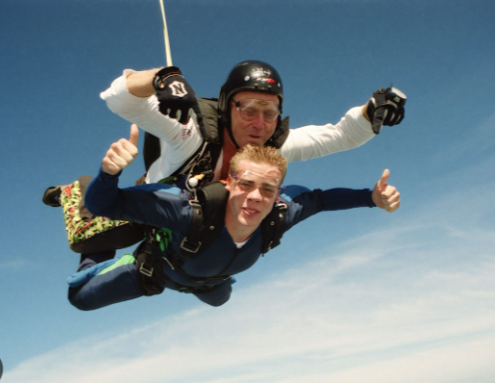
If you’re drawn to adrenaline-pumping activities, you might find yourself torn between the exhilarating experiences of skydiving and bungee jumping. Both offer unique thrills that push your boundaries, but which one is more extreme? Let’s delve into the differences, risks, and sheer excitement of each to help you decide.
1. The Thrill of Freefall: Skydiving
Skydiving involves jumping from an aircraft at altitudes typically ranging from 10,000 to 15,000 feet. Once you exit the plane, the initial freefall can last up to a minute before the parachute deploys. During this descent, skydivers can reach speeds of approximately 120 mph, experiencing a rush like no other as they plummet towards the earth, providing breathtaking views of the landscape below.
The jump usually culminates in a controlled parachute descent that can last several minutes. Under the parachute, you can steer and experience a serene contrast to the initial chaos of freefall, making the jump a blend of adrenaline and beauty. Notably, many skydiving operators offer tandem jumps, allowing first-timers to jump securely strapped to an experienced instructor.
-
- Choose a reputable skydiving center with good reviews.
-
- Be sure to listen to safety instructions before your jump.
-
- Wear comfortable clothing and shoes suitable for jumping.
-
- Arrive early for pre-jump briefing and training.
2. The Vertical Drop: Bungee Jumping
Bungee jumping involves leaping from a high structure—such as a bridge or crane—while attached to a large elastic cord. The feeling of freefall lasts just a few seconds, but the rebound can create a sensation of weightlessness as the cord stretches and pulls you back upward. Jumps typically range from heights of 140 feet to over 600 feet, with each jump providing a unique thrill.
The extreme nature of bungee jumping lies in the sheer height and the physics behind the jump. Unlike skydiving, there’s no gradual descent; it’s a sudden drop followed by an elastic rebound. This makes the experience feel more immediate and intense, appealing to thrill-seekers looking for a quick rush as opposed to a prolonged experience like skydiving.
-
- Check the equipment and safety certifications at the jumping site.
-
- Wear comfortable, secure clothing to avoid any loose items.
-
- Follow the safety procedures demonstrated by the operators.
-
- Consider jumping with a friend for shared excitement.
3. The Safety Factor: Risks and Precautions
Both skydiving and bungee jumping come with inherent risks; however, the management of these risks differs significantly between the two activities. Skydiving involves more extensive safety protocols, equipment, and training. Most jumps are performed with experienced instructors who oversee every aspect of the jump, from takeoff to landing. Furthermore, parachuting technology has advanced tremendously, increasing safety for modern skydivers.
Bungee jumping is often considered more spontaneous, as it requires less training and can be executed in diverse locations. However, this spontaneity can lead to lapses in safety assessments. Comprehensive inspections of the bungee cord and attachment points are crucial for ensuring safety. It’s essential to choose reputable operators who prioritize safety standards.
-
- Always prioritize safety certifications and operator reputations.
-
- Review equipment and procedures before jumping.
-
- Understand the risks involved with each activity.
-
- Be in good health and consult with a physician if unsure.
4. The Experience: Personal Preferences
Your choice between skydiving and bungee jumping may ultimately be dictated by personal preferences. Skydiving appeals to those who enjoy long, scenic descents and a mix of serenity and thrill. The experience can feel more like an adventure, with the breathtaking visuals during your parachute descent providing an awe-inspiring element that many find addictive.
On the other hand, bungee jumping offers an instant rush with its immediate freefall and rebound. It’s more about the momentary thrill of diving off a high platform where you can revel in the rapid rush of adrenaline. For those who are looking for a quick adrenaline fix rather than a prolonged experience, bungee jumping may be the way to go.
-
- Reflect on whether you prefer intense short thrills or extended experiences.
-
- Consider your comfort level with heights and freefall.
-
- Think about the scenery you want to enjoy during your jump.
-
- Discuss with friends to gauge their interest in joining you.
Ultimately, both skydiving and bungee jumping offer unparalleled thrill and excitement, appealing to the adventurous spirits among us. Whichever you choose, make sure to take the necessary safety precautions and enjoy the ride. So, are you ready to take the leap? Consult with professionals, prepare your mind and body, and get ready for an extreme adventure!