
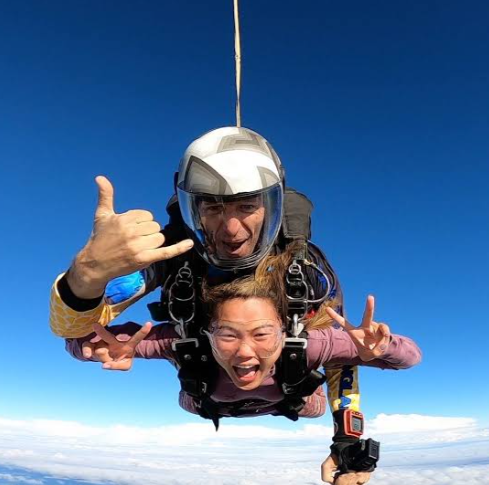
Skydiving is as exhilarating as it is complex, and communication during freefall is crucial for the safety and enjoyment of all involved. One of the key ways skydivers convey important information to one another is through hand signals. Understanding these signals can enhance your experience and improve your safety while skydiving.
1. The Jumping Signal
The jumping signal is perhaps the most important hand signal in skydiving. It helps ensure that all jumpers are ready to exit the aircraft safely. Typically, this signal consists of raising your hand, often with a fingers-facing outward pose, and can vary slightly depending on the jumpmaster’s preferences. The effectiveness of this signal relies on its clarity; each jumper must recognize it instantly to enhance group synchronization.
Moreover, timing is critical. The jump signal is typically given when the aircraft reaches the designated drop zone. Especially during tandem jumps, the instructor will explicate this signal, confirming that both the instructor and the student are ready. If you are a novice, practicing this signal on the ground can prepare you for the action-packed moments just before takeoff.
-
- Ensure your hand is visible to all jumpers.
-
- Practice the jumping signal with your group before the jump.
-
- Keep your hand at eye level for maximum visibility.
-
- Don’t hesitate—signal only when you are sure everyone is ready.
2. The Emergency Signal
In the event of an emergency, clear and precise communication becomes even more vital. The emergency signal usually consists of raising both arms in a “T” position with palms facing outward. This signal indicates that something is wrong and that immediate attention is needed from other jumpers or the instructor. Recognizing this signal quickly can significantly influence the outcome of an emergency situation.
Additionally, the emergency signal can indicate various issues, such as equipment malfunction, a need for altitude checks, or even if a skydiver is unable to pull their parachute. Skydivers need to be familiar with these signals, particularly during the jump briefing, to ensure that everyone knows how to respond effectively. The quicker the response, the better the chances of mitigating potential problems.
-
- Practice the emergency signal regularly with your jump team.
-
- Make sure you can perform the signal fluidly in freefall.
-
- Always be vigilant and ready to respond to the emergency signal from others.
-
- Establish clear protocols for responding to different emergencies.
3. The Gear Check Signal
Proper equipment checks are essential before any skydiving session. The gear check signal typically involves placing hands on the respective equipment, such as the parachute and altimeter. This signal indicates a readiness to begin the jumping process, ensuring that all gear is properly inspected before takeoff. It’s important to be proactive about gear checks, and a well-practiced gear check signal fosters a culture of safety among jumpers.
The gear check signal can act as a reminder for everyone in the group to check their equipment, creating a collaborative environment focused on safety. Considering that malfunctioning equipment can lead to serious consequences, utilizing this hand signal ensures that all jumpers are aligned and focused on their safety protocols. Being able to spot the gear check signal helps maintain a deck of mutual accountability within your skydiving team.
-
- Establish a routine gear check before every jump.
-
- Communicate openly about any concerns regarding gear.
-
- Use the gear check signal frequently during practice jumps.
-
- Be thorough in your equipment inspections to ensure safety.
4. The Sign for Group Formation
During a jump, when participating in group formations, clear communication about body positioning and group placement is critical. The signal for group formation typically involves using both hands to point in the desired direction or towards specific team members. Understanding this signal helps maintain formation consistency in freefall, leading to a successful and aesthetically pleasing jump.
Effective group formation signals help each jumper understand their role within the group, thus enhancing the overall cohesiveness of the jump. When everyone is on the same page regarding body orientation and formation maneuvers, the jump can be both safe and artistically impressive. Remember, a well-executed formation can boost confidence for all participants, leading to a more enjoyable experience.
-
- Review the formation plan before entering the jump aircraft.
-
- Communicate clearly about intended movements mid-jump.
-
- Use body language in conjunction with hand signals for clarity.
-
- Stay focused on the group; avoid distractions during the jump.
5. The Landing Signal
The landing signal is crucial for ensuring a safe approach and landing. It typically involves raising one arm upwards with a flat palm, indicating that the jumper is preparing to land. This signal not only alerts other skydivers of your intentions but also serves to remind them to prepare for landing, whether that means entering a landing pattern or adjusting their position accordingly.
Additionally, this signal can be used during group jumps to ensure all participants are aware of each other’s landing zones. Distraction during landing can lead to collisions or uneven terrain issues. Practicing this signal before freefall ensures that everyone knows what to expect, contributing to a smooth and orderly landing process. Remember that a well-timed signal can save lives.
-
- Signal early so others have time to react.
-
- Communicate your landing direction to the group.
-
- Keep your landing area clear of obstacles with the signal.
-
- Review landing procedures repetitively to build confidence.
Understanding and mastering these essential skydiving hand signals can greatly enhance your safety and make your jumps more enjoyable. With practice and attention, you’ll be well prepared to communicate effectively in the sky. So, grab your gear, plan your next jump, and don’t hesitate to consult an experienced instructor for more guidance on safe skydiving practices!