
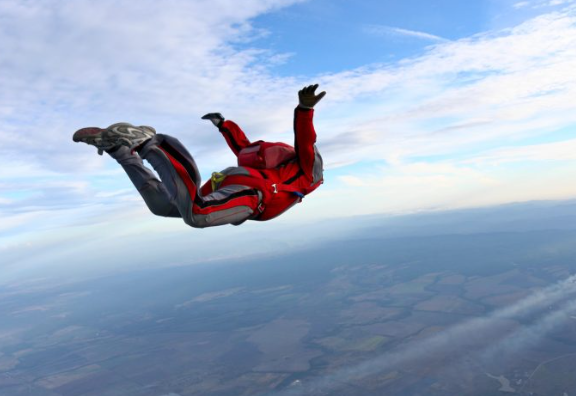
Skydiving is one of the most exhilarating adventures you can experience, but it is surrounded by numerous myths that might deter potential thrill-seekers. Debunking these myths with professional insights can help clarify the reality of skydiving and encourage those who are curious about this exciting sport to give it a try. Let’s explore some common misconceptions and separate fact from fiction.
1. Myth 1: Skydiving is Extremely Dangerous
One of the most pervasive myths about skydiving is that it is inherently dangerous. While any extreme sport carries risks, statistically, skydiving is safer than driving a car. According to the United States Parachute Association, the chance of a fatality while skydiving is about 1 in 220,000 jumps. Furthermore, skydiving facilities have strict safety regulations and high standards of training for instructors, which significantly minimizes risks.
Professionals emphasize the importance of wearing proper gear and undergoing thorough training. Most skydiving accidents can be attributed to human error, such as failing to follow safety protocols. By participating in a licensed skydiving program, individuals can drastically reduce risks associated with the sport.
-
- Research a reputable skydiving center.
-
- Ensure your instructor is certified and experienced.
-
- Attend pre-jump training sessions seriously.
-
- Wear all recommended safety gear properly.
2. Myth 2: You Can’t Control Your Fall
Another common misconception is that once you jump out of the plane, you have no control over your descent. In reality, skydivers have significant control over their fall. Experienced divers can steer their bodies to some extent, adjusting their positions to mitigate speed and change direction. Most modern parachutes are equipped with steering toggles that allow for easy manipulation during descent.
Additionally, instructors teach beginners techniques to control their positioning in the air to ensure safe landings. Learning how to arch your back, for instance, can help you fall more efficiently, increasing your control over your body during the free-fall phase. This level of control can make the experience not only safer but also more enjoyable.
-
- Practice body position maneuvers in training.
-
- Use the parachute’s steering toggles effectively.
-
- Stay calm and listen to your instructor’s guidance.
-
- Do not panic; breathe steadily and focus.
3. Myth 3: You Have to Jump Alone
Many people believe that skydiving must be done solo, which can be intimidating for beginners. However, tandem skydiving allows individuals to experience free-fall with a highly trained instructor attached securely. This method ensures that even if a person has never jumped before, they can enjoy the thrill of skydiving without managing the parachute alone.
Tandem jumps are designed for safety and convenience, allowing first-timers to focus on the excitement rather than the technicalities of the jump. The instructor handles all the equipment and safety checks, so the jumper can relish the experience. This makes it a fantastic option for those who want to feel the adrenaline rush without extensive training.
-
- Consider starting with a tandem jump if you’re a first-timer.
-
- Build a rapport with your instructor before the jump.
-
- Ask any questions about the process for more confidence.
-
- Enjoy the experience; it’s supposed to be fun!
4. Myth 4: Skydiving is Only for the Young and Fit
It’s a misconception that skydiving is reserved solely for the young and physically fit. Many skydiving centers accommodate individuals of all ages and fitness levels. In fact, age restrictions for tandem jumps usually start at 18 years old, but there is no upper age limit as long as the individual meets health and safety guidelines. Experienced instructors are trained to accommodate various body types and physical abilities.
Moreover, individuals with specific medical conditions should consult their doctor and the skydiving center ahead of time. Many operators have jump instructors experienced in tandem jumps with participants who have various fitness levels and medical histories. Be open about any concerns, so staff can ensure a safe and enjoyable experience.
-
- Check age and health requirements with your chosen center.
-
- Consult your doctor if you have pre-existing health conditions.
-
- Discuss any physical limitations with your instructor.
-
- Read about experiences from older jumpers for motivation.
5. Myth 5: You Will Feel Weightless During Free Fall
Contrary to popular belief, skydivers will not experience true weightlessness. During a free fall, jumpers feel a sensation similar to that of being in a fast-moving elevator, often described as exhilarating but distinct from weightlessness in a zero-gravity environment. The force of gravity acts on your body, creating a feeling of intense acceleration as you fall through the sky.
This sensation is part of what makes skydiving so thrilling. Once the parachute opens, the sudden deceleration transforms the experience into a serene glide, offering a completely different perspective. Many experienced jumpers describe this transition as their favorite moment, granting them a tranquil view of the landscape below.
-
- Prepare for the sensation of rapid acceleration.
-
- Focus on breathing and relaxing during free-fall.
-
- Enjoy the varying sensations as the parachute deploys.
-
- Take in the stunning views as you glide back to earth.
As you can see, many myths about skydiving can easily deter someone from seeking out this thrilling experience. By debunking these misconceptions through professional insights, we hope to inspire you to take the leap—quite literally! If you’re considering trying skydiving, consult with professionals at a licensed center, and don’t hesitate to ask questions. Embrace the adventure and enjoy every exhilarating moment!