
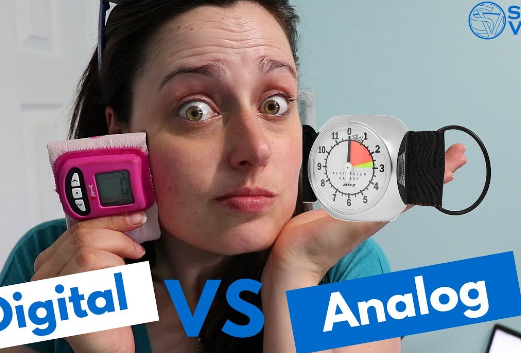
Choosing the right audible altimeter for skydiving is crucial for ensuring a safe and enjoyable experience in the sky. With numerous options available, it can be overwhelming to find the one that suits your needs. This guide will help you navigate through the choices, focusing on key features and practical considerations.
1. Understand the Features You Need
Before diving into the market, it’s essential to understand what features are most beneficial for skydiving. Audible altimeters are devices that alert the jumper when they reach a certain altitude, and having the right features can significantly affect your jump safety. Common features include adjustable altitude settings, volume control, and visual indicators.
The best audible altimeters are user-friendly, allowing you to set your desired activation altitude with ease. Some models come equipped with additional features like a backup visual altimeter, which can be especially reassuring for beginners or those jumping in less than ideal conditions. Always consider what features you believe you’ll need based on your jump experience and routine.
-
- Prioritize adjustable altitude settings.
-
- Look for models with both audible and visual alerts.
-
- Consider ease of operation, especially in freefall.
-
- Research customer reviews to gain insights into practical use.
2. Evaluate Build Quality and Durability
Diving into the sky means exposing your equipment to various environmental conditions, from rapid descents to potential impacts during landing. Therefore, durability is a key factor. Look for altimeters made from robust materials that can withstand the pressure of high-altitude jumps and possible rough handling.
Water resistance is another critical aspect to consider; you never know when rain might occur. Some altimeters also offer impact resistance features that add to their longevity, ensuring they last through multiple jumps without any performance degradation. Always check the product specifications for details on materials and construction quality.
-
- Check the material specifications.
-
- Look for water and impact-resistant features.
-
- Read reviews focusing on durability experiences.
-
- Ask fellow jumpers about their long-term experiences.
3. Choose Your Design and Comfort Level
The design of an audible altimeter is equally important, as you want it to be both functional and comfortable to wear. Whether you prefer a wrist-mounted, neck lanyard, or helmet-mounted altimeter, the choice should be based on your jumping style and comfort during freefall. Make sure that it feels secure but not overly constrictive.
Comfort can sometimes be overlooked; having an altimeter that shifts or bangs against your helmet can be distracting during a jump. Additionally, consider the size and weight. You don’t want something bulky that weighs you down. Before making a final decision, try different designs to see what feels right during mock jumps or training sessions.
-
- Test different mounting options for comfort.
-
- Consider the weight and bulkiness of the altimeter.
-
- Make sure it fits securely without slipping.
-
- Assess how easily you can access and adjust the settings.
4. Determine Your Budget
Skydiving equipment can vary significantly in price, and audible altimeters are no exception. Setting a budget is essential; it helps narrow down your choices while ensuring you don’t overspend on features you might not need. Generally, quality altimeters can range from around $100 to over $500, depending on the features and brand.
Don’t forget to factor in any additional costs like batteries, straps, or other accessories that may not be included in the initial purchase. Sometimes investing a little more upfront can save you from needing to make another purchase in the near future if you outgrow a cheaper model.
-
- Set a realistic budget before shopping.
-
- Include potential add-on costs.
-
- Research brands known for quality within your budget.
-
- Look for used or refurbished models for value.
In conclusion, choosing the right audible altimeter for skydiving requires careful consideration of features, durability, comfort, and budget. By assessing your needs and trying out different options, you can find the perfect altimeter that enhances your skydiving experience. Don’t hesitate to reach out to fellow skydivers or professionals for recommendations before making your purchase.