
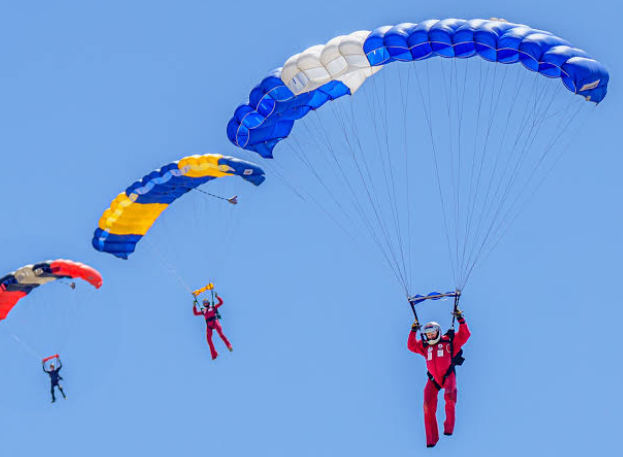
Wingsuit flying offers the thrill of soaring through nature, but when it comes to national parks, there are numerous legal considerations to keep in mind. Understanding the regulations not only ensures that you have a safe experience, but also helps to preserve the natural beauty of these protected areas.
In this blog post, we will explore the legal aspects of wingsuit flying in national parks, focusing on regulations, permits, and safety protocols that all wingsuit enthusiasts should be aware of.
1. Regulations Governing Wingsuit Flying
Wingsuit flying is subject to a variety of regulations at both federal and state levels. In the United States, the National Park Service (NPS) is responsible for managing national parks, and they have strict rules against the use of wingsuits in most areas. Flying in these zones is often categorized as a form of recreational activity that can disturb wildlife, compromise safety, and damage natural resources.
Each national park may have its own set of specific rules and guidelines. For example, while some parks may allow paragliding, wingsuit flying may be entirely prohibited due to risks associated with the activity. Always consult the individual park’s regulations before planning your flight to avoid potential fines or bans.
-
- Check the National Park Service website for regulations.
-
- Research specific park rules on wingsuit flying.
-
- Understand the difference between permitted and prohibited activities.
-
- Stay informed about changes in regulations.
2. Necessary Permits and Legal Responsibilities
Obtaining the required permits is essential if you wish to engage in wingsuit flying in permitted areas. Many national parks may require a special use permit that allows specific activities, including aerial sports. This process can take time, and it’s crucial to submit your application well in advance to avoid last-minute complications.
Moreover, it’s important to know that being granted a permit does not exempt you from liability. Depending on the park’s policies, you may be required to sign a waiver that releases the park from any responsibility in case of accidents. Always read the fine print and ensure you understand what you’re signing.
-
- Apply for necessary special use permits early.
-
- Review liability waivers before signing.
-
- Keep a copy of your approved permit with you.
-
- Be prepared to comply with park ranger requests.
3. Safety Protocols and Environmental Responsibility
Safety should always be your top priority, especially when engaging in an extreme sport like wingsuit flying. Proper preparation involves wearing the right gear, conducting pre-flight checks, and ensuring that you’re experienced enough for the challenges that come with flying in natural environments. Training with experienced wingsuit instructors can significantly mitigate risks.
Additionally, preserving the beauty of natural parks is crucial. Environmental responsibility is part of the safety equation, as wingsuit flying can have detrimental effects on local ecosystems. Avoid flying in sensitive wildlife habitats and respect all park guidelines regarding flora and fauna.
-
- Always complete a pre-flight checklist.
-
- Wear appropriate safety gear and use reliable equipment.
-
- Seek training from certified instructors.
-
- Avoid flying over wildlife or sensitive areas.
4. Engaging with Local Communities and Rangers
Engaging with local communities and park rangers can provide invaluable insights into the local laws governing wingsuit flying. These individuals are often the most knowledgeable about the terrain and current conditions, offering tips that may not be available online. Understanding their perspective can also foster better relationships between thrill-seekers and park management.
Additionally, attending community meetings or workshops can further educate you about the challenges associated with wingsuit flying in these areas. Creating partnerships with rangers can lead to greater awareness of the sport’s impact and promote responsible flying practices.
-
- Introduce yourself to local rangers and ask questions.
-
- Attend community meetings related to outdoor activities.
-
- Share experiences with other wingsuit flyers.
-
- Be a proactive member of the flying community.
In conclusion, exploring wingsuit flying in national parks requires an understanding of the legal landscape, including regulations, permits, and safety protocols. By consulting with park authorities and prioritizing environmental preservation, you can enjoy this thrilling sport while respecting the natural beauty around you. Before you embark on your next flight, take the time to familiarize yourself with the rules to ensure a safe and enjoyable adventure.