
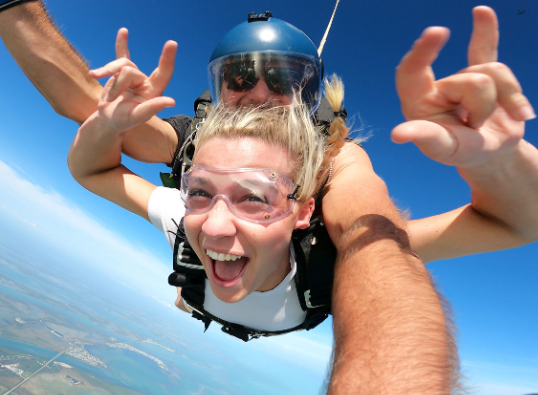
Skydiving can be an exhilarating activity, but not every jump goes as planned. If you’ve recently experienced a bad skydiving experience, it’s essential to know how to navigate the emotional and psychological aftermath. This guide will help you recover and regain your confidence, ensuring you’re ready for your next adventure.
1. Acknowledge Your Feelings
The first step in recovering from a bad skydiving experience is acknowledging how you feel. Whether it’s fear, disappointment, or anxiety, recognizing these emotions is crucial for your recovery. Try to articulate what went wrong during your jump and how it affected you emotionally. For instance, did you feel scared during the freefall? Were you unprepared for the landing? Understanding the specifics will help you process what you went through.
Keep in mind that feeling frightened or anxious after a negative experience is completely normal. Many skydivers encounter challenges, and it’s important to remember that these feelings do not define your ability or worth as a skydiver. Acknowledge these feelings, perhaps through journaling, talking with friends, or discussing with fellow jumpers who can relate.
-
- Take time to reflect on your emotions.
-
- Write down your thoughts in a journal.
-
- Talk to friends or family about your experience.
-
- Consider joining a skydiving support group.
2. Seek Professional Guidance
If your bad skydiving experience has left you feeling particularly traumatized, seeking professional help can be beneficial. A therapist who specializes in trauma or anxiety can offer techniques to help you cope better. For example, cognitive-behavioral therapy (CBT) can help you restructure your thoughts surrounding skydiving and reduce fear. Finding a therapist who understands extreme sports is an added advantage, as they can relate to your experience better.
<pMoreover, many skydiving schools offer debriefing sessions and workshops aimed at helping jumpers overcome their fears. Engaging in these sessions can provide a safe space to process your emotions and learn tips from seasoned instructors. You might even find yourself bonding with others who have faced similar challenges, easing your journey toward recovery.
-
- Research local therapists who specialize in trauma.
-
- Look for skydiving workshops that focus on mental resilience.
-
- Attend support groups specifically for skydivers.
-
- Speak openly about your feelings during therapy sessions.
3. Take Gradual Steps to Regain Confidence
After processing your emotions and seeking professional guidance, it’s time to take gradual steps to regain your confidence. Start by visualizing successful jumps—imagine how you want your next experience to unfold. Visualization can be a powerful tool, allowing you to transform fear into a positive anticipation of ‘next time’. Try to surround yourself with supportive friends and fellow skydivers, as their encouragement can provide motivation.
Next, consider scheduling practice jumps from lower altitudes or doing simulator sessions if available. This gradually helps you rebuild your comfort level. Remember, it’s perfectly okay to take things slowly and move at your own pace! By breaking down the experience into smaller, manageable steps, you will find it easier to conquer your fears.
-
- Visualize your next successful jump.
-
- Start with lower altitude jumps or simulator sessions.
-
- Engage with supportive friends or fellow skydivers.
-
- Set achievable goals for your next jump.
4. Reassess Your Equipment and Jump Conditions
Sometimes, the equipment used or the conditions during your jump can significantly affect your experience. If you felt uncomfortable or unsafe during your last jump, it may be beneficial to reassess the gear you were using. Ensure your gear is in good working condition, and don’t hesitate to ask your instructor about safety features that could enhance your experience. Perhaps you might want to try different types of jumps (e.g., tandem, solo) or even different schools that emphasize safety.
Understanding the conditions on the day of your jump can also help in assessing what went wrong. Weather, wind conditions, and even altitude can impact how you handle a skydive. By doing proper research and going into your next jump informed, you’ll reduce the chances of experiencing another disappointing skydive.
-
- Inspect your gear thoroughly before jumps.
-
- Ask instructors about safety features and options.
-
- Research skydiving schools with good safety records.
-
- Stay informed about weather conditions and altitude information.
5. Embrace a Supportive Community
Connecting with others who share your passion can be incredibly healing. A supportive community can not only remind you of the joys of skydiving but also serve as a resource for advice and camaraderie. Attend skydiving events, join online forums, or follow social media groups dedicated to the sport. Engaging with others can ease your mind and help motivate you to get back in the sky.
Consider sharing your story with the community; many may have gone through similar experiences and can offer tips or encouragement. Over time, you’ll see that you’re not alone, and building connections with others can enhance your overall experience as you get back into skydiving.
-
- Join local or online skydiving communities.
-
- Attend skydiving workshops or events to meet others.
-
- Share your experience to foster connections.
-
- Encourage others who may face similar challenges.
In conclusion, recovering from a bad skydiving experience takes patience and effort. By acknowledging your feelings, seeking professional help, taking gradual steps, reassessing your gear and conditions, and embracing a supportive community, you can regain your confidence and enjoy the thrill of skydiving once more. Remember, every jumper has their story, and it’s okay to take your time on the path to recovery.