
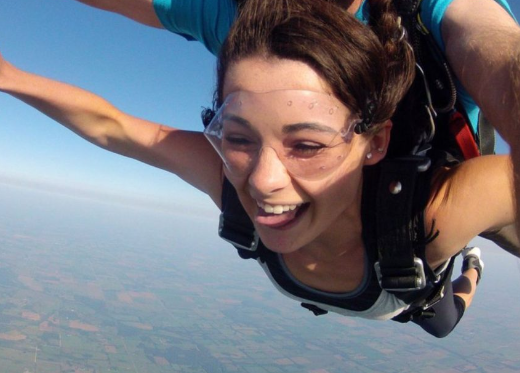
Skydiving is an exhilarating experience, but the physical demands it places on your body shouldn’t be underestimated. Adequate hydration before and after jumping is essential for maximizing performance and recovery. Here’s a comprehensive guide to ensure you stay well-hydrated during your skydiving adventure.
1. Importance of Hydration Before Skydiving
Before you take the plunge, hydration is critical. Skydiving generates significant stress on your body, both physically and mentally. By ensuring you’re adequately hydrated, you can help maintain optimal blood circulation and cognitive function, which are key to a safe and enjoyable jump. Moreover, dehydration can lead to reduced performance and increased anxiety, which are far from ideal when you’re about to leap from an aircraft.
Additionally, the altitude you’ll reach during your jump can exacerbate dehydration. The effects of lower humidity and higher altitudes can lead your body to lose fluids more rapidly than usual. This makes it even more important to prep your body with sufficient water intake in the hours leading up to your dive. Drinking water is not just a good practice; it’s an absolute necessity for an enjoyable skydiving experience.
-
- Drink at least 16–20 ounces of water 2–3 hours before your jump.
-
- Avoid caffeinated and alcoholic beverages, as they can dehydrate you.
-
- Consider electrolyte drinks to retain fluids better.
-
- Eat a hydrating snack like fruit to boost your fluid intake.
-
- Keep a water bottle on hand for easy access.
2. Hydration Strategies During the Waiting Period
Once you arrive at the skydiving site, it’s vital to keep the hydration levels consistent, especially during the waiting period before your jump. Sometimes, there can be delays due to weather conditions or operational considerations. Using this time wisely to hydrate can make a significant difference. Sipping on water constantly helps keep your body fluids balanced, preparing you for the physical exertion of the jump.
Furthermore, actively monitoring your thirst can be a good indicator of your hydration needs. If you feel thirsty, it’s likely that your body is signaling a need for more fluids. Listen to these cues; they are your body’s way of communicating its needs, especially before an important physical activity such as skydiving. It’s not just about drinking water; it’s about maintaining a steady intake to avoid any sudden drops in hydration levels.
-
- Drink small amounts of water frequently instead of large quantities at once.
-
- Carry a portable drink mix to add flavor and electrolytes to your water.
-
- Check the color of your urine; pale yellow means good hydration.
-
- Stay in the shade to avoid excessive sweating, if possible.
-
- Keep a towel handy; sweating can lead to fluid loss.
3. Recovery Hydration Post-Jump
After you’ve made that thrilling jump and safely landed, the importance of hydration doesn’t cease. In fact, post-jump recovery is just as important as pre-jump preparation. Your body requires replenishment to recover from the physical exertion and to help alleviate any muscle soreness. Water plays a crucial role in helping you rehydrate, flush out toxins, and restore energy levels so you can enjoy the rest of your day.
Additionally, consider the environment you were in while skydiving. If it was windy or chilly, your body might have used more energy than usual to maintain its temperature, further emphasizing the need for hydration. After your experience, aim to drink at least 16 ounces of water within the first hour after landing and continue to drink throughout your day to maintain optimal hydration levels.
-
- Start rehydrating immediately after landing, drinking at least a pint of water.
-
- Include electrolyte-rich drinks to replenish lost minerals.
-
- Eat hydrating foods, such as watermelon, cucumbers, or smoothies.
-
- Avoid sugary or caffeinated drinks for a few hours post-jump.
-
- Monitor your body for signs of dehydration like fatigue or excessive thirst.
4. Common Myths About Hydration and Skydiving
There are several myths surrounding hydration that can mislead skydivers about their needs. One common misconception is that you can hydrate adequately simply by drinking large amounts of water all at once. In reality, your body absorbs fluids more effectively when they are consumed gradually throughout the day. Large quantities at once can lead to flushing out essential electrolytes, counteracting the benefits.
Another myth is the belief that dehydration doesn’t affect performance during short bursts of physical activity. However, research shows that even mild dehydration can impact mental clarity and physical performance, which is crucial when you’re making split-second decisions based on altitude and wind conditions. Ensuring you follow proper hydration protocols is important to debunk these myths and equip you for your skydiving experience.
-
- Drink water consistently, rather than all at once.
-
- Don’t rely solely on thirst as an indicator of hydration needs.
-
- Understand that hydration strategies can vary based on individual needs.
-
- Recognize that proper nutrition plays a role in hydration too.
-
- Consult hydration-specific resources tailored to athletes if unsure.
In conclusion, proper hydration before, during, and after your skydiving adventure is crucial for both performance and recovery. By following these practical hydration tips, you can enhance your experience and minimize risks associated with dehydration. Make it a habit to prioritize your hydration and enjoy every thrilling moment skydiving has to offer!