
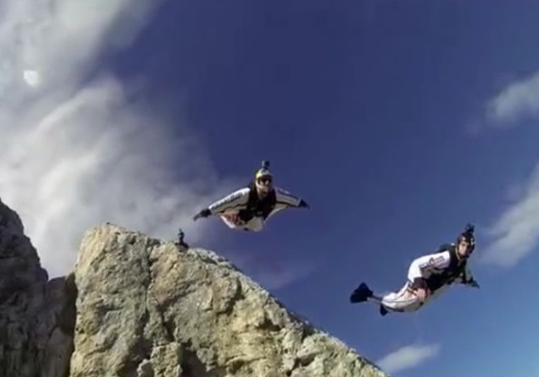
Extreme air sports, such as skydiving, paragliding, and bungee jumping, often involve a high degree of risk and fear. However, understanding the psychology behind fear can not only enhance your performance but also enrich your experience. This blog post delves into the intricate relationship between fear and the thrill-seeking mindset in extreme air sports.
1. The Nature of Fear
Fear serves as a primal survival mechanism, alerting us to danger and triggering the fight-or-flight response. In extreme air sports, fear can manifest as excitement or anxiety, making it crucial to comprehend both sides. For many athletes, fear can elevate adrenaline, leading to heightened awareness and improved performance. However, unchecked fear can become debilitating, causing individuals to freeze or hesitate, which can be dangerous in high-risk situations.
To understand fear in the context of extreme air sports, it’s essential to differentiate between rational and irrational fears. Rational fears are grounded in reality, such as the fear of falling or equipment failure, while irrational fears may stem from past experiences or social pressures. Acknowledging these distinctions can empower athletes to better manage their emotions and enhance their focus during the activity.
-
- Identify signs of rational vs. irrational fear.
-
- Practice mindfulness to stay present during extreme activities.
-
- Discuss fears with experienced athletes to gain perspective.
-
- Challenge irrational fears through gradual exposure.
2. The Role of Visualization
Visualization techniques can be vital for managing fear in extreme air sports. Athletes often use mental imagery to rehearse successful outcomes, from takeoff to landing. By vividly imagining each step, athletes can reduce anxiety and build confidence, preparing themselves psychologically for the real experience. For example, professional skydivers frequently visualize the jump process, allowing them to anticipate challenges and respond more effectively when they occur.
Moreover, visualization can also help athletes confront and embrace their fears. When faced with specific apprehensions, such as a fear of heights or falling, mentally rehearsing the experience in a controlled setting allows individuals to ‘practice’ bravery. This technique not only conditions the mind but also cultivates a stronger emotional response, making fear feel less daunting when actually faced.
-
- Set aside time for daily visualization exercises.
-
- Focus on positive outcomes and control during the imagery process.
-
- Visualize both the jump and potential challenges.
-
- Incorporate sensory details for a more immersive experience.
3. Managing Fear Through Preparation
One of the most effective ways to mitigate fear in extreme air sports is thorough preparation. Understanding every aspect of the sport—from safety protocols to equipment checks—instills a sense of control and reduces anxiety. When athletes train comprehensively, they not only bolster their confidence but also prepare mentally for possible scenarios, which can help lessen fear during the actual dive or flight.
Additionally, peer support plays a key role in managing fear. Engaging in team training or group activities allows athletes to share experiences and coping mechanisms. This support network can provide reassurance and help individuals confront their fears together, creating a more positive environment. Building camaraderie can make even the most intimidating sport feel more approachable and less isolating.
-
- Conduct regular equipment maintenance and checks.
-
- Join training sessions or workshops with experienced coaches.
-
- Engage in team training to foster support and camaraderie.
-
- Celebrate small victories to build confidence over time.
4. Embracing Fear as Part of the Experience
In extreme air sports, fear is often part of the adventure itself. Accepting fear rather than resisting it can transform the emotional experience of jumping or flying. Athletes who acknowledge their fears as natural and even beneficial often find that they’re better equipped to face the challenges of their sport. The thrill derived from confronting and overcoming fear can be immensely rewarding, further driving the desire to engage in such high-octane activities.
Many athletes encourage others to embrace the tension that fear brings. Viewing fear as an emotional asset rather than a hindrance allows for greater personal growth and satisfaction. For some, this transformative shift in mindset can ignite a passion for extreme sports, pushing them to achieve remarkable feats while enjoying the ride that comes with it.
-
- Shift your perspective: view fear as fuel for motivation.
-
- Allow yourself to feel and express fear without stigma.
-
- Share your experiences with fellow athletes for collective insight.
-
- Reflect on your jumps or flights to identify growth opportunities.
In conclusion, understanding and managing the psychology of fear is crucial in extreme air sports. By employing techniques like visualization, thorough preparation, and embracing fear, athletes can significantly improve their experiences and performances. If you’re interested in exploring these strategies further, consider consulting a professional coach or psychologist who specializes in sports to enhance both your physical and mental training.