
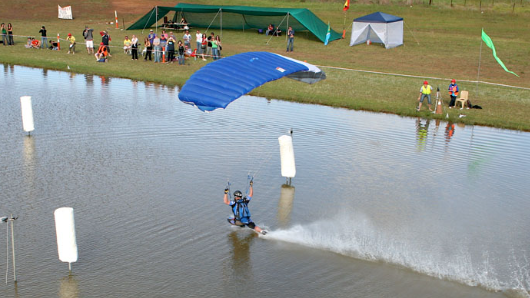
Canopy piloting is one of the most exhilarating disciplines in skydiving, capturing the attention of both seasoned professionals and enthusiasts. Often referred to as “swooping,” this practice is all about flying a parachute skillfully to achieve speed and accuracy in landing. In this post, we’ll dive into the intricacies of canopy piloting, including its techniques, benefits, and essential safety tips to get you started.
1. Understanding Canopy Piloting
At its core, canopy piloting involves maneuvering the parachute in an agile manner after deploying. Unlike traditional skydiving, where the focus might be on free-fall techniques, canopy piloting emphasizes flying techniques to maximize performance during descent. This discipline requires precise control over the parachute’s controls, commonly known as toggles, risers, and rear lines, ensuring pilots can negotiate turns, speed, and glide ratios effectively.
Canopy pilots often compete in various forms of events, such as accuracy landings—where the goal is to land on a specific target—and swooping competitions, where the emphasis is on achieving the fastest horizontal distance with precision landings. Training in canopy piloting is essential, as it involves understanding how wind conditions, weight distribution, and risk management can dramatically affect your flight path.
-
- Familiarize yourself with different types of parachutes.
-
- Understand the mechanics of canopy inputs such as toggles and risers.
-
- Practice in varying wind conditions to sharpen your skills.
-
- Consider working with a seasoned instructor for tailored advice.
2. Essential Techniques for Canopy Piloting
Developing your techniques in canopy piloting relies heavily on knowing how to make effective turns. A common method is the “deep turn,” which involves pulling down on one toggle while maintaining your body position to achieve a rapid change in direction. Pilots can achieve dramatic swoops and speed, but caution is paramount; too steep of a turn can lead to a stall, resulting in a dangerous descent. Training in these techniques under expert supervision can greatly improve your skill level and safety awareness.
Another fundamental technique is the “carve turn,” where the pilot banks the parachute instead of pulling hard on a toggle. This results in smoother, more controlled turns, allowing you to manage your speed effectively while maintaining altitude. Mastering these methods can ultimately lead to more significant achievements in competitions or recreational swooping.
-
- Practice deep turns and carve turns before attempting complex maneuvers.
-
- Always assess and adapt techniques based on current weather conditions.
-
- Work on visualize landing approaches while practicing turns.
-
- Implement regular drills to consolidate your muscle memory.
3. Safety Practices in Canopy Piloting
As thrilling as canopy piloting may be, safety should always be the top priority. It is vital to conduct a pre-jump check for your equipment and understand your parachute’s specific performance characteristics. Every parachute has its own unique flight and landing patterns, so familiarizing yourself with these dynamics can prevent accidents during flight. Keep your gear in excellent condition to ensure reliability during your jumps.
Another key safety practice is to always be aware of your surroundings. Understanding wind patterns, altitude levels, and potential air traffic can save lives. Make sure to maintain constant communication with your jump team and ensure that you all have a clear understanding of the designated drop zones and target landing areas.
-
- Conduct thorough pre-jump checks of the parachute and equipment.
-
- Maintain situational awareness throughout the flight.
-
- Communicate clearly and often with your team before and after jumps.
-
- Consider utilizing visual landing markers to gauge your distance.
In summary, canopy piloting is not only a fascinating part of skydiving but also one that requires dedication to safety and skill development. The thrill of swooping through the sky can be deeply rewarding, but it’s essential to approach it with preparation and caution. If you’re eager to explore this exciting discipline, consider reaching out to a qualified instructor or joining a skydiving group to advance your knowledge and skills.