
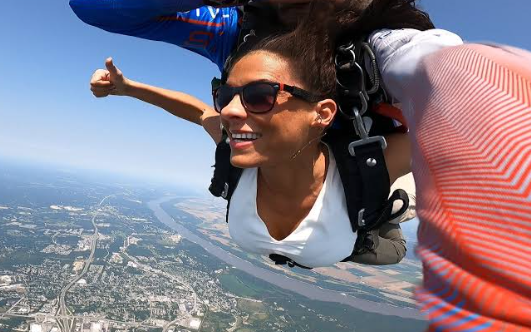
Many adventure seekers dream of skydiving, but if you wear glasses or contact lenses, you may wonder whether you can safely enjoy this exhilarating experience. Fortunately, skydiving with visual aids is quite feasible, provided you take certain precautions. Let’s explore how you can dive into the skies with clear vision.
1. Skydive Ready: Glasses vs. Contacts
Choosing between glasses and contact lenses for skydiving depends on your personal comfort and the type of skydiving experience you’re seeking. Glasses can be worn during jumps, but they need to be properly secured. The wind resistance and high-altitude maneuvering can make unsecured glasses a liability, potentially causing discomfort or even injury. On the other hand, many skydivers prefer contact lenses as they eliminate the risk of losing eyewear while free-falling.
When using glasses, there are specific options designed for extreme sports. Look for glasses with a strap that can keep them securely fastened to your head. However, ensure they’re not so tight that they impede your comfort during the jump. If you choose to wear contact lenses, consider using daily disposables for convenience and hygiene, allowing you to toss them out after the jump without worrying about carrying them back.
-
- Choose lightweight glasses with a secure strap.
-
- Consider daily disposable contact lenses for hygiene.
-
- Wear a helmet that can accommodate glasses if necessary.
-
- Practice getting comfortable with your chosen option before the jump.
2. Preparing for Your Skydive: What You Need to Know
Before you book your jump, there are crucial preparations to consider related to your vision needs. Consult with your eye doctor to ensure that your vision is stable enough for such an extreme activity. This is especially important for individuals with severe vision impairments, as the high-speed wind can affect your comfort and visibility. If you haven’t jumped in a while, it’s also recommended to have a comprehensive eye exam to check your current vision status.
Additionally, confirm with your chosen skydiving company about their policies on vision aids. Some may have specific requirements or recommendations based on their equipment and the conditions of the jump. This ensures that you’re not only legally compliant but also safe during your dive.
-
- Consult your eye doctor before scheduling your jump.
-
- Verify the skydiving company’s policy on glasses and contacts.
-
- Bring extra lenses or glasses, if applicable.
-
- Wear a strap for secure fitting of glasses, if needed.
3. During the Jump: Tips for a Successful Experience
Once you’re airborne, maintaining your vision aids is essential for both safety and enjoyment. If you wear glasses, make sure they fit securely and that the straps are tightly fastened to prevent them from flying off or shifting during free-fall. A good idea is to practice wearing them in a wind tunnel before your jump to get accustomed to the sensation of high winds and turbulence. For contact lens wearers, avoid using lenses with high moisture or be sure to use non-drying formulas that are comfortable in high-altitude conditions.
Furthermore, remember to close your eyes briefly during the initial stages of the jump to accommodate the intense wind. This can give your body time to adjust to the environment, making your experience more enjoyable. Once you’ve stabilized, you can open your eyes to take in the breathtaking views.
-
- Secure glasses with a strap to avoid losing them.
-
- Close your eyes briefly during the free-fall phase.
-
- Consider using goggles specifically designed for skydiving if necessary.
-
- Familiarize yourself with your visibility options before the jump.
4. Post-Jump Care: A Quick Checklist
After your thrilling descent back to earth, it’s crucial to take care of your eye health. If you wore contact lenses, make sure to promptly remove and dispose of them as soon as possible to prevent any irritation. If you were wearing glasses, inspect them for any damage from the jump or impact. This will ensure that your vision isn’t compromised during future adventures.
In addition, consider documenting your experience with photos or notes about how your vision aids performed during the jump. This could help inform decisions for your next adventure or assist others with similar considerations. Moreover, planning a follow-up eye appointment could be beneficial to check that everything is still well with your eyesight.
-
- Remove and dispose of contact lenses promptly after the jump.
-
- Inspect glasses for any damage from the jump.
-
- Document your skydiving experience for future reference.
-
- Consider scheduling a follow-up eye appointment if necessary.
Ultimately, skydiving with glasses or contacts is absolutely possible! However, it requires careful consideration and proper preparation. Be sure to consult with your eye care professional and ensure you have the right gear for an exhilarating and safe experience in the sky. Get ready to soar with confidence and clarity!