
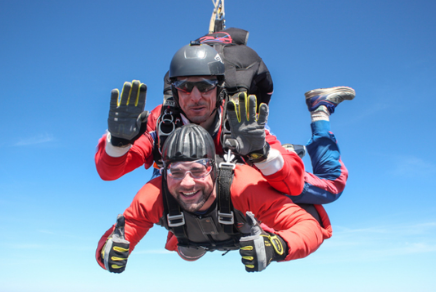
Skydiving is an exhilarating experience, but doing it in cold weather presents unique challenges and considerations. Whether you’re a seasoned jumper or a novice, understanding how to prepare for colder conditions will enhance your safety and enjoyment. Let’s dive into the key aspects to consider when skydiving in chilly weather.
1. Dress Appropriately for Cold Weather
First and foremost, your choice of clothing can make or break your skydiving experience in cold temperatures. Layering is crucial, as it traps warmth while allowing flexibility and comfort. A moisture-wicking base layer, insulated mid-layer, and a windproof outer shell will help protect you from the cold while keeping you mobile.
Along with your clothing, don’t forget about accessories that can make a significant difference. Wear thermal gloves to keep your hands warm, a snug beanie or helmet liner for your head, and even thicker socks or booties for your feet. Each layer serves a purpose and could save you from being uncomfortably cold during or after the freefall.
-
- Layer your clothing: base, mid, and outer layers.
-
- Choose thermal and moisture-wicking fabrics.
-
- Wear insulated gloves and headgear for extra warmth.
-
- Opt for thick socks or socks specifically made for cold weather.
-
- Bring a spare set of gear in case you get too cold.
2. Understand the Effects of Cold on Your Body
Cold weather can have various effects on your body while skydiving. For instance, exposure to freezing temperatures can reduce your dexterity and coordination, making it harder to control your body during the jump. Additionally, cold air is denser, which can influence your body position and descent rate, affecting your landing.
Moreover, hypothermia is a real concern when skydiving in cold temperatures. Initially, you might not notice it because of the adrenaline, but as the thrill fades, you could start feeling the symptoms. It’s critical to monitor how your body feels, and if you experience any signs of shivering, confusion, or sluggishness, it’s time to seek immediate warmth.
-
- Be aware of your body’s limits in cold temperatures.
-
- Monitor for symptoms of hypothermia such as shivering and confusion.
-
- Keep your limbs moving to maintain circulation.
-
- Stay hydrated; cold air can be deceivingly dehydrating.
-
- Know when to call it a day if you’re feeling too cold.
3. Choose the Right Equipment for Cold Weather
Your equipment plays a critical role when tackling cold-weather skydiving. Ensure your jumpsuit is designed for colder climates, featuring insulation and wind resistance. Additionally, inspect your parachute and reserve regularly; cold conditions can potentially affect the material’s performance over time.
Other gear beyond your jumpsuit can also enhance your safety and comfort. Consider using a larger parachute for a slower descent and a more controlled landing, which can be especially helpful when navigating icy or snowy surfaces. Helmet selection is also crucial; choose one that is insulated yet aerodynamic to better handle cold air while ensuring your head stays warm.
-
- Select cold-weather specific jumpsuits and gear.
-
- Check your parachute for signs of wear and tear.
-
- Consider a larger parachute for better control in colder air.
-
- Choose an insulated helmet for added warmth.
-
- Conduct thorough equipment checks before each jump.
4. Know the Weather Conditions Before Jumping
Understanding the weather conditions before going skydiving is paramount, especially in the winter months. Pay close attention to wind speed, temperature at altitude, and visible weather patterns. The temperature at higher elevations can be significantly colder than what you experience on the ground; sometimes by as much as 20 to 30 degrees Fahrenheit.
Check forecasts that include cloud cover and wind chill factors, as these can drastically alter your experience. Downward drafts and winds can be unpredictable in colder climates, so having that knowledge can help you make an informed decision about whether to jump or reschedule. Always consult with your jump instructors about the day’s conditions for expert advice.
-
- Monitor real-time weather updates before your jump.
-
- Understand the temperature fluctuations at different altitudes.
-
- Be cautious of wind chill effects on your body.
-
- Communicate with instructors regarding safety conditions.
-
- Adjust plans based on unfavorable weather conditions.
Skydiving in cold weather can be a unique and thrilling experience when you prepare adequately. By dressing appropriately, understanding your body’s reactions and choosing the right gear, combined with a keen awareness of the weather, you can make your jump both safe and exhilarating. Consult with your local skydiving professionals to finalize your plans and embark on this exciting cold-weather adventure!