
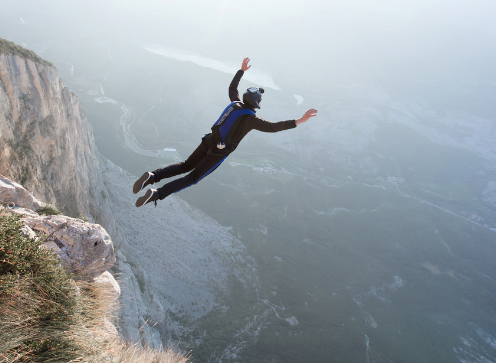
BASE jumping is an exhilarating sport that offers a unique thrill to adventurous souls. Transitioning from skydiving to BASE jumping requires meticulous training and dedication. This guide will outline the essential steps and considerations for making this exciting leap.
1. Understanding the Basics of Skydiving
Before heading into the world of BASE jumping, a solid foundation in skydiving is essential. Skydivers typically begin with a minimum of 25 jumps, which allows them to understand freefall dynamics, parachute deployment, and recovery techniques. Mastering the basics of jumping from an airplane will equip aspiring BASE jumpers with the necessary knowledge for their new adventure.
Additionally, familiarity with various jumping techniques, such as controlled descents and emergency procedures, is paramount. Skydive training programs often offer comprehensive courses that cover these essential skills. Emphasizing safety and awareness during group jumps will help set the stage for more advanced formations later on.
-
- Log a minimum of 25 solo skydives.
-
- Complete an Accelerated Freefall (AFF) course.
-
- Gain experience in different weather conditions.
-
- Practice parachute landing techniques diligently.
2. Transitioning to BASE Jumping Skills
Once you have a solid skydiving foundation, it’s time to focus on the specific skills needed for BASE jumping. One critical aspect is learning how to navigate small, defined launch areas without the luxury of altitude. This may involve training on cliffs or bridges where jumps are typically executed. Safety becomes even more paramount; ensuring that each jump is planned thoroughly can never be overstated.
In addition to honing physical jumping skills, prospective BASE jumpers must develop an acute awareness of their environment. Factors such as wind conditions, terrain, and potential landing zones are crucial. Practice jumps in varied conditions to better anticipate changes and adjust accordingly during an actual BASE jump.
-
- Research and select appropriate BASE jump sites.
-
- Understand the local laws and regulations for BASE jumping.
-
- Practice with a trained instructor before your first jump.
-
- Always scout the landing area to ensure safety.
3. Gear Up for BASE Jumping
Your gear is essential in BASE jumping, as it differs significantly from traditional skydiving equipment. A BASE rig is designed specifically for shorter descents and quicker openings. Investing in high-quality equipment, such as a BASE-specific parachute, helmet, and jumpsuit, can significantly impact your performance and safety.
It’s also important to familiarize yourself with your gear before making any jumps. Understanding how your parachute deploys, how to adjust your harness, and how each piece of equipment works together will help reduce the chances of mishaps. Conduct regular equipment checks to ensure everything is functioning properly and practice emergency procedures frequently.
-
- Invest in a quality BASE jumping rig.
-
- Learn how to properly pack your parachute.
-
- Conduct thorough checks of all gear before each jump.
-
- Keep pads and protection gear on hand for training jumps.
4. Engage with the BASE Jumping Community
Integrating into the BASE jumping community is an invaluable step in your training process. Networking with experienced jumpers can provide insights, mentorship, and support. Joining relevant organizations and forums can facilitate connections and help you find trustworthy partners for practice jumps.
Attending events and workshops dedicated to BASE jumping will not only build your skills but also deepen your understanding of the sport’s culture and ethics. Engaging with the community can also create a sense of accountability, motivating you to stay committed to safety and excellence in the sport.
-
- Join local BASE jumping clubs or forums.
-
- Attend workshops and training events.
-
- Connect with experienced jumpers for mentorship.
-
- Document your jumps and progress to share with the community.
5. Prioritize Safety and Continuous Learning
Safety is the cornerstone of successful BASE jumping. Always conduct a thorough risk assessment before each jump, taking note of weather conditions, landing zones, and potential hazards. The right mindset is crucial; never underestimate the importance of following safety protocols.
In addition to meticulous planning, continual education is vital in this sport. Seek feedback after jumps and take time to review and discuss your experiences with fellow jumpers. Staying updated with the latest techniques, gear advancements, and safety recommendations will contribute significantly to your skills and peace of mind.
-
- Always complete risk assessments before jumps.
-
- Participate in debriefing sessions after each jump.
-
- Stay informed about new techniques and gear.
-
- Regularly review safety protocols and emergency procedures.
Transitioning from skydiving to BASE jumping is a journey filled with excitement and responsibility. By solidifying your skills, engaging with the community, and prioritizing safety, you’ll build a solid foundation for your new adventure. Take the next step by seeking out experienced mentors and gathering the knowledge needed to make your dreams of BASE jumping a reality.