
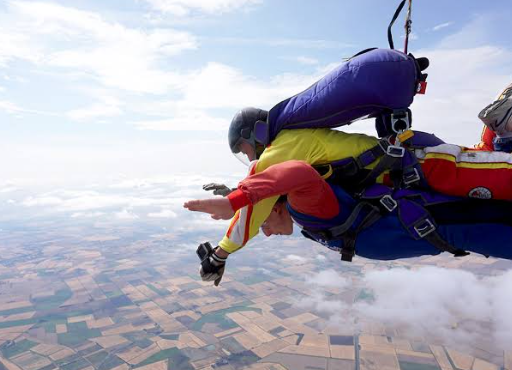
Understanding parachute malfunction types and the corresponding emergency procedures is essential for any skydiver. While rare, malfunctions can occur, and being prepared can mean the difference between life and death. This blog post will explore various types of parachute malfunctions and the emergency measures you should take to handle them effectively.
1. Types of Parachute Malfunctions
There are a few primary types of parachute malfunctions that every skydiver should know. The most common issues include the total malfunction, partial malfunction, and line twists. A total malfunction occurs when the parachute fails to deploy at all, leaving the skydiver in freefall with no canopy. This situation requires immediate action to deploy the reserve parachute if the main parachute doesn’t open within a set amount of time.
A partial malfunction can involve the parachute deploying but not functioning correctly. For instance, a typical scenario is when a parachute deploys but gets entangled in the lines of the harness or the main parachute itself. Line twists are another common issue, where the lines of the parachute become twisted, leading the parachute to fly erratically or not at all. Understanding these malfunctions is crucial for effective emergency response.
-
- Know the different types of malfunctions.
-
- Practice emergency procedures regularly.
-
- Ensure all equipment is in good working order before each jump.
-
- Communicate with your instructor about specific concerns.
2. Emergency Procedures for Total Malfunctions
If you’re experiencing a total malfunction, the first action is to remain calm. Panicking can cloud your judgment, making it challenging to execute your emergency procedures effectively. After confirming that the main canopy has not deployed after a few seconds, the next step is to locate the reserve parachute handle, which is typically easier to reach when the body is in a stable position in freefall.
Once you’ve located the reserve handle, pull it with a firm and deliberate motion. It’s important to follow this up with a visual check. After deploying your reserve parachute, look for both the main and reserve canopies to ensure a safe descent. If you have time, you can also check for any altitude or geographical markers that can aid in your landing strategy.
-
- Stay calm and assess the situation.
-
- Pull the reserve parachute handle decisively.
-
- Look for the canopies of both your main and reserve parachutes.
-
- Prepare for landing by analyzing the terrain below.
3. Emergency Procedures for Partial Malfunctions
In cases of partial malfunctions like line twists or a partially deployed canopy, swift and calculated actions are crucial. If you find yourself with line twists, the first step is usually to keep your body oriented properly to facilitate correcting the situation. Tucking your knees and rolling your body can often help to untwist the lines without requiring drastic actions.
If the main canopy is partially deployed but more or less remains controllable, check your altitude and make decisions regarding your descent. If a controlled descent is possible, try to land but be prepared for any turbulence. Always remember, a safe landing is preferable, even if it means landing without optimal glide.
-
- Engage your body to correct line twists.
-
- Maintain your altitude awareness.
-
- Approach landing with caution.
-
- Signal for help if you have a landing buddy.
In conclusion, understanding parachute malfunctions and their corresponding emergency procedures is vital for every skydiver’s safety. Regular practice and preparation will ensure you’re ready to handle unexpected situations. Don’t hesitate—consider taking a refresher course to enhance your skills further!