
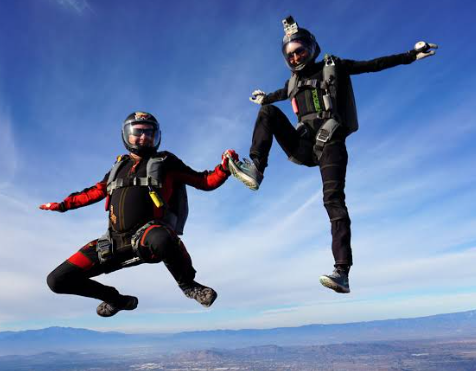
Skydiving is an exhilarating sport that attracts thrill-seekers from all corners of the globe. One of the most fascinating aspects of skydiving is the concept of freefall speed, which combines the wonders of physics with the thrill of falling through the air. Understanding these speeds not only enhances the skydiving experience but also provides insight into the forces at play during a jump.
1. Understanding Freefall Speed
Freefall speed refers to the rate at which a skydiver descends before opening their parachute. Initially, when a skydiver jumps from the aircraft, they accelerate due to gravity, reaching terminal velocity—a state where the force of gravity is balanced by air resistance. For an average skydiver in a belly-to-earth position, terminal velocity is approximately 120 miles per hour (193 kilometers per hour) after about 10 to 12 seconds of freefall.
The speed can vary based on several factors such as body position, clothing, and altitude. For instance, if a skydiver falls in a head-down position, they can reach speeds of around 150 to 180 miles per hour (241 to 290 kilometers per hour). This variance reveals just how dynamic the physics of freefall can be and emphasizes the significance of understanding one’s body position during the jump.
-
- Be aware of your body position during freefall.
-
- Monitor your altitude using an altimeter.
-
- Practice stabilizing your fall to maintain terminal velocity.
-
- Understand the impact of clothing on aerodynamics.
2. The Physics Behind Freefall
The physics of freefall is rooted in Newton’s laws of motion and the principles of aerodynamics. When a skydiver jumps out of a plane, gravity pulls them downward while air resistance pushes upward. Initially, the force of gravity dominates, causing the skydiver to accelerate. However, as speed increases, the air resistance also increases, eventually leading to a point of equilibrium known as terminal velocity.
At terminal velocity, the upward force of air resistance equals the downward force of gravity, resulting in no further acceleration. Understanding this balance allows skydivers to appreciate their descent; they are truly under the influence of both gravity and drag. Moreover, the factors influencing these forces—body shape, weight, and clothing—are crucial for those looking to fine-tune their experience.
-
- Study basic physics principles related to motion.
-
- Experiment with different body positions to feel the effects.
-
- Consider the weight-to-surface-area ratio when selecting gear.
-
- Review terminal velocity calculations for better awareness.
3. Factors Affecting Freefall Speed
Several factors can significantly impact a skydiver’s freefall speed. A primary determinant is body position: a skydiver can control and alter their descent speed by adjusting their posture. For example, pulling your arms and legs in can increase speed, while spreading them out decreases it. Additionally, external factors such as altitude and atmospheric conditions—including wind speed and air density—play a crucial role.
The type of gear used also impacts freefall speed. Specialized suits, like wingsuits and jumpsuits, can create varying levels of drag and thus influence overall speed. Knowledge about these factors allows individuals to make informed choices to enhance their performance and safety during a jump.
-
- Experiment with different body positions during training jumps.
-
- Choose appropriate gear suited for your jump objectives.
-
- Pay attention to weather conditions and plan jumps accordingly.
-
- Understand the air density changes at different altitudes.
4. Safety Considerations During Freefall
Safety is paramount in skydiving. Understanding freefall speed can help mitigate risks associated with the sport. Proper training on how to achieve and manage terminal velocity is essential for ensuring a safe jump. This includes knowledge of when to deploy the parachute and being attentive to your altitude during the descent.
Equally important is practicing emergency procedures, such as dealing with parachute malfunctions. Skydivers must be prepared to react swiftly, using a reserve chute if necessary. A well-prepared jump is a safer jump, and understanding the dynamics of freefall can contribute significantly to a skydiver’s overall safety.
-
- Always complete thorough training before jumping.
-
- Regularly check your gear for safety compliance.
-
- Review emergency procedures with your instructor frequently.
-
- Stay aware of your surroundings while in freefall.
Understanding freefall speed and the physics that govern it not only enriches the skydiving experience but also enhances safety. By acknowledging the forces at play, skydivers can make informed decisions, ensuring their jumps are enjoyable and secure. Whether you are a seasoned parachutist or a first-time jumper, enhancing your knowledge of freefall speed is a step in the right direction.