
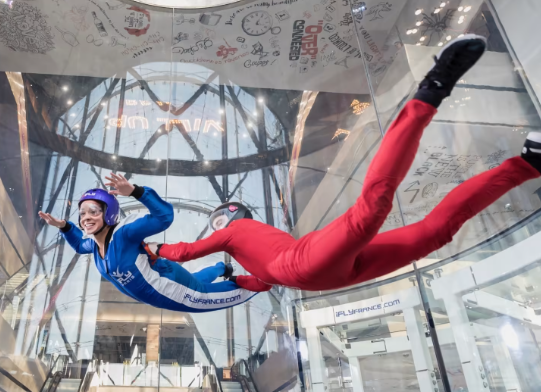
Indoor skydiving is gaining popularity as a thrilling way for beginners to experience the sensation of free-fall without jumping out of a plane. However, many people wonder about its safety and whether it’s suitable for those inexperienced in skydiving. In this blog post, we’ll explore the safety measures, experiences, and considerations for beginners in indoor skydiving.
1. Understanding the Safety Measures of Indoor Skydiving
Before diving into the actual experience, it’s crucial to understand that indoor skydiving facilities prioritize safety. Most facilities have state-of-the-art technology designed to minimize risk. For instance, the vertical wind tunnel used in indoor skydiving simulates free-fall by generating powerful airflow; this design allows beginners to float safely without the unpredictable elements of outdoor skydiving.
Moreover, many facilities have stringent safety protocols, including thorough training sessions provided by certified instructors. During these sessions, beginners learn about body positioning, proper gear usage, and what to expect during the flight. These measures are in place to ensure everyone is well-prepared, making the experience as safe as possible.
-
- Choose a reputable indoor skydiving facility.
-
- Verify the certifications of instructors.
-
- Participate in the pre-flight training session.
-
- Wear all required safety gear properly.
2. What Beginners Can Expect During Their First Flight
For many, stepping into the wind tunnel for the first time can be both exhilarating and nerve-wracking. However, instructors usually guide the entire process, helping participants feel comfortable and ensuring they know how to position their bodies as they fly. As beginners enter the tunnel, they will feel the rush of wind supporting their weight, allowing them to experience a sensation similar to free-fall without the dangers associated with jumping from a plane.
It’s important for beginners to listen closely to their instructor’s guidance. They may demonstrate how to arch your back and position your arms to maximize the flying experience. Remember that everyone progresses at their own pace; it’s perfectly normal to feel a little clumsy at first, and instructors are there to provide assistance, ensuring that every participant has a fun and memorable experience.
-
- Arrive early to complete any necessary paperwork.
-
- Wear comfortable clothes that allow for movement.
-
- Stay calm and follow your instructor’s directions.
-
- Focus on maintaining a relaxed body posture for better control.
3. Health and Fitness Considerations for Indoor Skydiving
Before trying indoor skydiving, it’s essential for potential participants to assess their personal health and fitness levels. Generally, indoor skydiving is suitable for most people, but certain conditions could impair your experience or safety. Individuals with severe back problems, heart conditions, or those who are pregnant should consult with their doctors before attempting indoor skydiving to ensure it’s a safe activity for them.
Staying fit can enhance your indoor skydiving experience. Although you don’t need to be an athlete, having a reasonable level of physical fitness can help you better control your body while in the wind tunnel. Engaging in exercises that improve core strength, flexibility, and balance will prepare you for a more enjoyable flight experience.
-
- Consult a doctor if you have health concerns.
-
- Engage in exercises like yoga or core workouts before your session.
-
- Stay hydrated on the day of your flight.
-
- Avoid heavy meals prior to your flight.
4. The Importance of Following Post-Flight Protocols
After an exhilarating indoor skydiving session, there are a few essential post-flight practices to consider. Take a moment to cool down and enjoy the adrenaline rush, but also remember to drink water to stay hydrated. Engaging in light stretching can help ease any muscle tension that may develop from the unusual physical activity. It’s important to listen to your body; if you feel any discomfort, it’s best to speak with your instructors.
Moreover, many facilities encourage participants to provide feedback. Sharing your experiences helps improve training programs and can also assist other beginners in understanding what to expect. Embracing this community aspect can enhance your indoor skydiving journey and forge connections with fellow enthusiasts.
-
- Hydrate immediately after your flight.
-
- Take note of any discomfort you may feel.
-
- Engage with staff for feedback or questions.
-
- Consider booking another flight to build on your experience.
In conclusion, indoor skydiving is a safe and exciting activity for beginners when conducted in a supervised environment with trained instructors. By understanding the safety measures, physical requirements, and proper protocols, you can dive into your indoor skydiving adventure with confidence. Don’t hesitate to take that first step and explore the thrill of flying!