
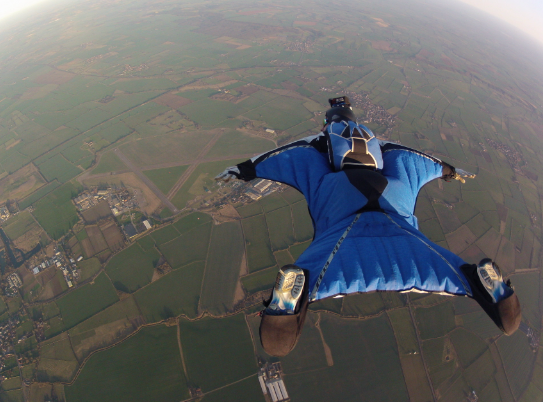
When it comes to adrenaline-pumping activities, wingsuit flying and parachuting both offer thrilling experiences, but they differ significantly in flight control techniques. Understanding these differences can help enthusiasts choose the best option for exploring the skies. In this article, we will delve into the key distinctions between wingsuit flying and parachuting, particularly in terms of flight control.
1. Flight Mechanics
Wingsuit flying, often regarded as a bird-like experience, relies heavily on the design of the wingsuit, which is crafted from fabric and stretches from the arms to the legs. This structure creates lift and enables the flyer to glide through the air at impressive speeds. In contrast, parachuting involves a free-fall from a certain altitude followed by the deployment of a parachute that allows for a controlled descent. While both activities utilize aerodynamics, the mechanics of flight are notably different.
A wingsuit flyer can adjust their pitch, roll, and yaw by shifting their body position and manipulating the wingsuit’s fabric. For instance, bending the legs and arms can increase lift or change direction. Parachutists, on the other hand, control their descent primarily through the parachute. The parachute’s shape, size, and design directly affect how it maneuvers in the air and how quickly it descends.
-
- Understand wingsuit aerodynamics and control techniques.
-
- Learn about parachute deployment and descent control.
-
- Practice in a simulator before attempting either sport.
-
- Always check the weather conditions before flying or jumping.
2. Level of Control
In wingsuit flying, the pilot holds a more active role in steering. This requires a precise balance and body coordination, making the sport incredibly engaging. Flyers must be attuned to the shifts in wind and currents as they navigate through the skies. The ability to effectively maneuver a wingsuit is a skill that develops over time, requiring practice and experience.
Contrastingly, parachuters have a more passive experience after the parachute is opened. Once in a stable descent, parachutists primarily focus on steering with the toggles and making minor adjustments, making it easier for beginners to learn the basics quickly. This difference in control levels means that wingsuit flying demands a higher degree of focus and skill compared to parachuting.
-
- Practice body positioning and movements for wingsuit control.
-
- Utilize toggle controls effectively in parachuting.
-
- Engage in regular training to enhance skills.
-
- Seek guidance or mentorship from experienced flyers or jumpers.
3. Safety Measures
Safety is a paramount concern in both activities, but the inherent risks associated with wingsuit flying are generally higher than with parachuting. The speed and complexity of maneuvering a wingsuit can lead to more severe consequences in case of miscalculations. Therefore, wingsuit pilots must undergo rigorous training and practice emergency procedures rigorously.
In parachuting, the presence of a parachute provides a safety net for jumpers, allowing them to react to emergencies. However, the safe deployment and functionality of the chute are crucial; any failure can result in catastrophic consequences. Both sport enthusiasts should complete thorough safety training and understand emergency protocols associated with their respective activities.
-
- Attend safety briefings and training sessions before flying or jumping.
-
- Ensure equipment is regularly maintained and inspected.
-
- Familiarize yourself with emergency procedures.
-
- Always jump with a qualified instructor or experienced partner.
4. Skill Acquisition and Training
Wingsuit flying requires a solid foundation in skydiving principles before one can safely attempt jumps in a wingsuit. Most instructors recommend completing a number of skydives (often 100 or more) before moving to wingsuits. This extensive training ensures that individuals are comfortable with free-fall dynamics and parachute use. It is essential to master fundamental skills before venturing into the complexities of wingsuit control.
On the other hand, parachuting can be learned more quickly, with many beginners receiving adequate training within a weekend course. However, mastering advanced techniques like maneuvering during the descent requires continued practice. The key to progressing safely in either discipline is remaining committed to training and seeking guidance from experienced professionals.
-
- Complete a skydiving certification before attempting wingsuit flying.
-
- Regularly practice skydives to build confidence.
-
- Enroll in courses focused on parachuting techniques.
-
- Connect with local skydiving clubs for support and mentorship.
In summary, both wingsuit flying and parachuting present unique thrills and challenges, each with its own flight control nuances. Whether you’re drawn to the dynamic experience of gliding in a wingsuit or the serene descent with a parachute, prioritize safety and receive professional training. Start your journey today, and immerse yourself in the excitement of aerial adventures!