
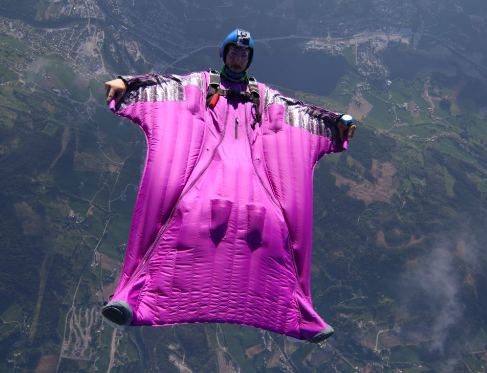
Wingsuit flying is an adrenaline-packed sport that combines the thrill of freefall with the unique experience of gliding through the air. However, landing safely is one of the most critical aspects that every wingsuit pilot must master. In this blog post, we will explore the key techniques needed to land a wingsuit safely and correctly.
1. Understand Your Surroundings
Before you even think about landing, it is crucial to familiarize yourself with the area where you plan to land. Look for a wide, flat, open space free from obstacles such as trees, power lines, and rocks. If you’re unable to assess your landing zone from the air, consider practicing jumps from lower altitudes to get a better feel for the terrain below.
An important part of your preparation is to check the weather conditions. Wind currents can significantly affect your landing trajectory. Strong crosswinds can push you off course, so it is advisable to choose days with mild weather conditions to practice your landings safely.
-
- Scout the landing area ahead of time.
-
- Look for nearby obstacles to avoid.
-
- Be aware of the wind direction and speed.
-
- Use a GPS or map to plan your landing approach.
2. Master the Landing Technique
When it comes to wingsuit landing, proper technique can make all the difference. Ideally, you want to come in at a controlled, shallow angle, aiming for a soft, feet-first touchdown. As you approach the ground, gradually reduce your speed by adjusting your body position and maintaining a stable trajectory.
Timing is key; execute your flare maneuver at approximately 10-15 feet above the ground. This is when you should pull your arms and legs in slightly, focusing on achieving a streamlined position. The flare will help slow you down just enough to ensure a gentle landing, minimizing the risk of injuries.
-
- Practice your landing posture in safe spaces.
-
- Focus on a controlled descent at a shallow angle.
-
- Execute the flare maneuver at the right altitude.
-
- Prepare for a feet-first landing to cushion yourself.
3. Use a Suitable Wing Suit for Landing
Choosing the right wingsuit can significantly influence your ability to land safely. Some wingsuits are designed specifically for better maneuverability and landing performance, while others prioritize speed and distance. As a beginner, opting for a wingsuit with better stability and easier control features will greatly benefit your landing.
Additionally, ensure that your wingsuit is fitted correctly and includes adjustability options. Your suit should conform to your body but still allow for freedom of movement, especially during the landing phase. Trying on various designs and brands can help you find the best match for your skills and body type.
-
- Choose a wingsuit that emphasizes stability and control.
-
- Make sure it fits well but allows for flexibility.
-
- Research wingsuit designs tailored for beginners.
-
- Consider testing different suits for comfort.
4. Have a Backup Safety Plan
Every wingsuit pilot should have a backup safety plan in case of unexpected issues during the landing phase. This could include having a reserve parachute that is easily deployable should you miscalculate your landing approach. A robust safety plan will help promote peace of mind and enable you to focus on landing correctly.
Additionally, consider using a tracking device or buddy system for added safety. Having someone who can monitor your landing can be invaluable if you encounter difficulties. Establishing clear communication and instructions with your team can also enhance safety during these risky endeavors.
-
- Always carry a reserve parachute.
-
- Familiarize yourself with the deployment process.
-
- Use a tracking device for safety.
-
- Communicate with your wingsuit partners.
5. Review and Reflect on Your Landings
After each jump, it is essential to review your landing performance objectively. This could mean discussing your experience with a more seasoned wingsuit pilot or filming your landing to analyze your technique. Understanding what went well and what needs improvement will enhance your future landings.
By keeping a log of your jumps, focusing on factors like wind conditions, your approach, and landing technique, you can identify patterns over time. This reflective practice will help you grow as a pilot, allowing for continued progress in your wingsuit flying journey.
-
- Keep a log of your jumps and landings.
-
- Discuss your landing experience with experienced pilots.
-
- Analyze footage of your landing attempts.
-
- Identify patterns and areas for improvement.
Successfully landing a wingsuit requires practice, preparation, and excellence in technique. By understanding your environment, mastering your landing techniques, and always having a backup plan, you put yourself in the best position for a safe return to earth. As you continue in this exhilarating sport, remember to reflect on your experiences and learn from every jump. Consider consulting with a seasoned instructor to further enhance your skills and safety practices.