
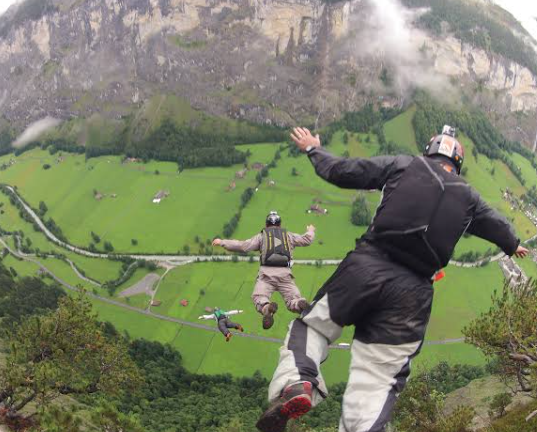
BASE jumping is an exhilarating sport, but it requires the right gear for safety and success. If you’re new to the sport, understanding what equipment you need is crucial for a safe and enjoyable experience. Below is a complete gear list tailored for beginners, as well as tips to help you get started.
1. Parachute System
The most critical component of your BASE jumping gear is the parachute system. For beginners, a dual-parachute system is recommended, which consists of a main parachute and a reserve parachute. This setup provides an extra layer of safety should your main parachute fail. Look for a system that is specifically designed for BASE jumping, as these parachutes have unique features suited for low-altitude deployment.
When selecting a parachute, consider its size, weight, and type. A larger parachute offers more stability, while smaller ones provide quicker descents. Popular brands like PD (Performance Designs) and Wings offer beginner-friendly options. Be sure to seek advice from experienced jumpers or instructors when choosing your parachute system to ensure it meets your needs.
-
- Invest in a dual-parachute system.
-
- Choose a parachute designed specifically for BASE jumping.
-
- Consult experienced jumpers when making a selection.
-
- Practice emergency procedures with your gear.
-
- Have your parachute checked regularly by a professional.
2. Harness and Container
Your harness and container setup holds everything together, ensuring that your parachute deploys and functions correctly. A good harness should fit snugly but not restrict movement. Look for one that provides comfort and agility, allowing you to maneuver easily during your jump. Many harnesses also include features like padding and adjustable straps, which can improve comfort during longer waits before jumping.
When it comes to containers, make sure it can secure both your main and reserve parachutes effectively. Choose a container that offers quick access to both parachutes in case of emergency. Some users prefer a rig that has streamlined features, minimizing drag during freefall. Remember, selecting the right harness and container can greatly impact your comfort and safety during a jump.
-
- Select a harness that fits snugly but comfortably.
-
- Ensure your container is compatible with your parachutes.
-
- Look for quick-access features in your container.
-
- Test your harness and container in a simulated jump scenario.
-
- Consult with your instructor for recommendations.
3. Helmet and Goggles
Safety gear is non-negotiable in BASE jumping. A high-quality helmet is essential to protect your head from impact during landings or on obstacles. Look for a full-face or open-face helmet tailored for skydiving, as these types provide suitable protection while allowing you adequate visibility and ventilation. The helmet shouldn’t be too heavy; lightweight materials can still offer strong protection.
Goggles are often an overlooked piece of gear, but they play a crucial role in ensuring your vision remains clear during a jump. Choose goggles that fit well and offer UV protection, especially if you’re jumping in sunny conditions. Some models are designed to fit snugly against your face to keep out wind and debris and are specifically engineered to work well with your helmet.
-
- Choose a quality helmet designed for skydiving or BASE jumping.
-
- Consider lightweight materials for better comfort.
-
- Invest in UV-protected goggles that fit well.
-
- Check the compatibility of your goggles and helmet.
-
- Make sure your headgear allows for good visibility.
4. Personal Protective Equipment (PPE)
In addition to a helmet, other personal protective equipment can enhance your safety during jumps. Consider wearing a jumpsuit designed specifically for BASE jumping; it should be made of durable materials that can withstand the rigors of the sport. A jumpsuit provides not only protection but also adds a layer of insulation against windchill during freefall.
Wearing knee and elbow pads is another excellent way to protect yourself during landings and navigations. Additionally, some jumpers opt for gloves to enhance grip and protect their hands during equipment handling. Always remember that being proactive about your safety gear can reduce the risk of injury.
-
- Wear a jumpsuit designed for BASE jumping.
-
- Consider knee and elbow pads for added protection.
-
- Use gloves to enhance grip and protect hands.
-
- Choose durable materials suited for rough conditions.
-
- Check the fit and flexibility of your gear before jumping.
5. Additional Safety Gear
Beyond your main gear, having additional items can significantly contribute to your overall safety and enjoyment of BASE jumping. A first aid kit is essential, particularly one tailored for outdoor emergencies. You should include items that can assist with common injuries like sprains, cuts, or abrasions. Make sure you familiarize yourself with how to use every item in your kit beforehand.
Another beneficial piece of equipment is a powered altimeter, which can help measure your altitude during descent. Knowing your altitude is incredibly important when timing your parachute deployment. Additionally, consider carrying a radio or other communication device to remain in contact with your team or ground support throughout your jump.
-
- Always carry a first aid kit tailored for outdoor situations.
-
- Include items for common injuries in your kit.
-
- Invest in a powered altimeter for precise altitude readings.
-
- Maintain communication devices for team coordination.
-
- Familiarize yourself with your emergency gear before jumping.
In conclusion, having the right gear is vital for a successful BASE jumping experience, especially for beginners. Invest time in researching and selecting equipment that fits your needs and safety standards. As you embark on this thrilling adventure, consider consulting with experienced jumpers or instructors to enhance your skills and confidence.