
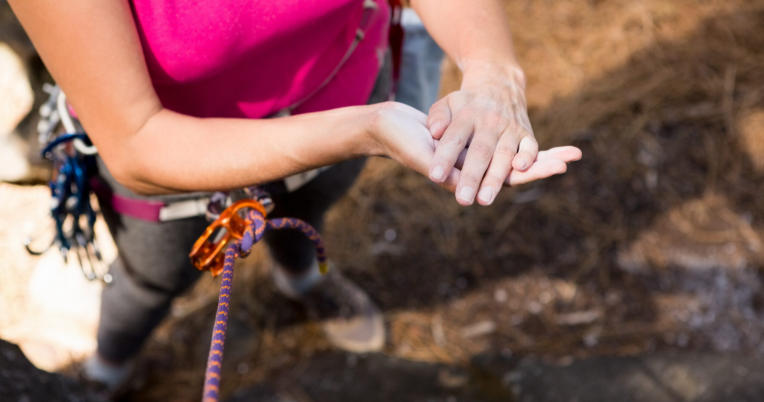
Tree climbing holds are becoming increasingly popular among outdoor adventurers and thrill-seekers. As more people draw inspiration from activities like rock climbing and parkour, understanding how to choose and use climbing holds can enhance both safety and enjoyment in tree climbing. This guide aims to break down the essentials of tree climbing holds for beginners and seasoned climbers alike.
Understanding Tree Climbing Holds
Tree climbing holds come in various types, each designed to offer specific gripping solutions as climbers ascend branches and trunks. Unlike traditional climbing holds found in gyms, tree climbing holds often mimic natural features. Some of the most common types include footholds, handholds, and even specialized pieces that attach to the tree itself. It’s essential to assess the tree’s structure when choosing holds, as different trees may offer different natural supports. Understanding these holds helps climbers gain confidence and makes the experience safer and more enjoyable.
Selecting the Right Holds
Choosing the right climbing holds is crucial for a successful tree climbing experience. Beginners may want to start with larger, more stable holds that provide a secure grip. Brands that cater to outdoor climbing often offer specially designed holds that can be affixed to trees. For those looking to climb more challenging trees, portable holds can be installed for temporary use; just remember to follow safety guidelines and not damage the tree. It’s also beneficial to familiarize yourself with common tree species in your area, as different species come with unique textures and gripping surfaces.
Safety Tips for Using Climbing Holds
Safety should always be a top priority when tree climbing, whether you’re using holds or climbing naturally. Proper gear is essential: invest in a quality harness, climbing rope, and safety helmet to protect yourself from falls or accidents. It’s also wise to double-check the holds and their placement before climbing; ensure they can support your weight and are securely attached. Consider climbing with a partner or investing time in a climbing class to learn best practices for safe and effective climbing. By taking these precautions, you can enhance your climbing skills while minimizing risk.
Conclusion
Tree climbing holds can significantly enrich your outdoor climbing experience, providing both fun and challenge. By understanding the types of holds available, selecting the right ones for your adventure, and prioritizing safety, you can climb trees confidently and responsibly. Whether you’re looking for a new hobby or seeking ways to make your outdoor experiences more adventurous, tree climbing can be incredibly rewarding. Start exploring the world of tree climbing today, and you’ll find countless opportunities for adventure and personal growth!