
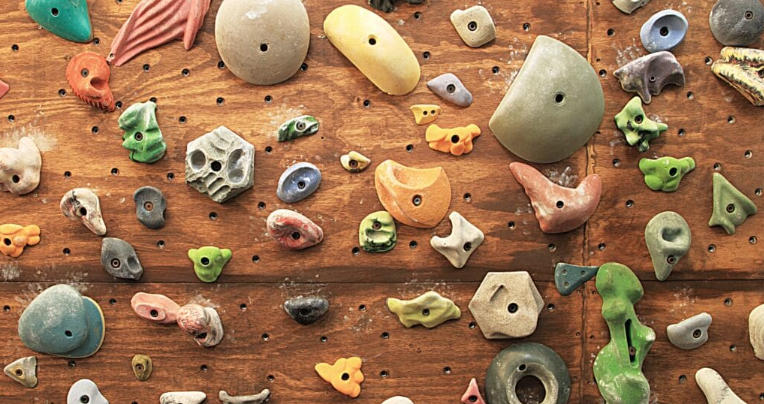
Rock climbing, whether you’re scaling indoor walls or outdoor cliffs, relies heavily on the types of holds available to climbers. Understanding the various kinds of rock holds can enhance your climbing experience, boost your skills, and even keep you safe. This guide will introduce you to some common rock holds, their uses, and tips on how to master them.
Types of Rock Holds
Rock holds come in a variety of shapes and sizes, each offering different challenges and advantages. The most common types include crimps, slopers, and jugs. Crimps are small holds that require using your fingertips, making them ideal for precise movements and tricky routes. Slopers, on the other hand, are rounded and require an open-handed grip. They can be challenging because they rely more on your body positioning and strength than on finger technique. Jugs are large, hand-friendly holds that offer an excellent grip, making them perfect for climbers looking to take a break or adjust their position.
Techniques for Using Holds
Knowing how to use different holds effectively is vital for improving your climbing technique. When climbing on crimps, focus on maintaining tension in your body and positioning your feet wisely to maximize balance. For slopers, keep your body close to the wall and engage your core to maintain contact. It’s essential to be aware of your center of gravity when using these holds, as poor positioning can lead to slips or fatigue. Remember to switch between different holds and use your legs as much as possible; your arms will thank you later!
Finding the Right Holds for Your Climbing Style
Every climber has a unique style that may influence which holds they prefer. Beginners often gravitate toward jugs, as they provide the most security. As you progress, you might start experimenting with crimps and slopers to build strength and skill. Try different climbing routes that emphasize various holds to challenge yourself and develop your technique. Additionally, consider climbing with others who have different styles. Watching and learning from others can introduce you to new methods and enhance your climbing experience.
Conclusion
Understanding rock holds is crucial for anyone looking to improve their climbing skills. By familiarizing yourself with the different types of holds, practicing various techniques, and exploring your personal climbing style, you’ll be well on your way to conquering new heights. So, whether you’re a seasoned climber or just starting out, take some time to explore the world of rock holds and see how they can enhance your climbing journey! Happy climbing!