
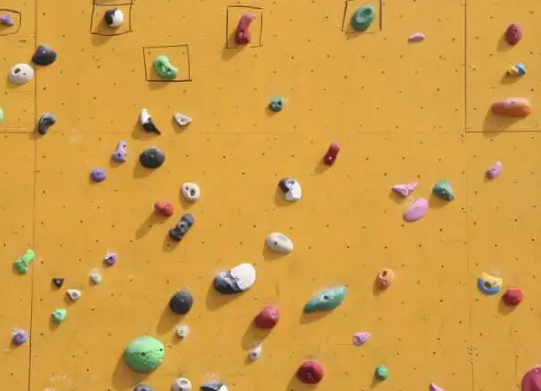
Rock climbing is a thrilling sport that not only challenges physical strength but also sharpens mental acuity. A crucial element of this adventure is the type of holds used on climbing routes. Understanding the various rock climbing holds can greatly enhance your climbing experience, whether you’re a beginner or a seasoned pro. Let’s dive into the different types of holds and their applications.
Understanding Different Types of Rock Climbing Holds
Rock climbing holds come in a variety of shapes and sizes, each designed for different movements and techniques. The most common types include crimps, slopers, jugs, and pinches. Crimps are small holds that require you to use your fingertips, providing minimal surface area for grip, which can be quite challenging. Slopers are larger and often require an open-handed grip, emphasizing body positioning. Jugs, on the other hand, are large, easy-to-hold features that you can grab with your entire hand, making them perfect for beginners. Pinches require gripping with the thumb and fingers in opposition, focusing on hand strength and technique. Each hold offers unique challenges that can push your skills to the next level.
Techniques for Using Holds Effectively
Utilizing climbing holds effectively is crucial for both performance and safety. Different techniques can help you maximize your grip and minimize fatigue. For example, when using crimps, focus on keeping your elbows down and positioning your body closer to the wall to maintain balance. With slopers, engage your core and lean into the hold, using your feet to push up rather than relying solely on your arms. Practicing footwork is also important; precise foot placements can help you save energy and maintain control when navigating challenging routes. By mastering these techniques, climbers can improve their efficiency and preserve their strength throughout a climb.
The Importance of Hold Selection in Climbing Grades
The selection of holds plays a vital role in determining the difficulty of a climbing route. Each hold can influence grading because it affects how movements are executed. A problem with a sequence of small holds will usually be rated harder than a route with larger, more secure holds. Knowing how to read a route is essential; this includes understanding which holds are offers and which are considered ‘out’. Additionally, climbing gyms often use different hold sets to create various challenges, allowing climbers to train their skills in a controlled environment. By mastering the art of hold selection, climbers can become more adept at assessing and tackling varying grades.
In conclusion, understanding rock climbing holds is essential for every climber looking to improve their skills and overall experience. With a grasp of the different types of holds and the techniques required to use them effectively, you can elevate your climbing game. Whether you’re looking to tackle your first climbing wall or push into more advanced routes, continue exploring, practicing, and honing your skills. Happy climbing!