
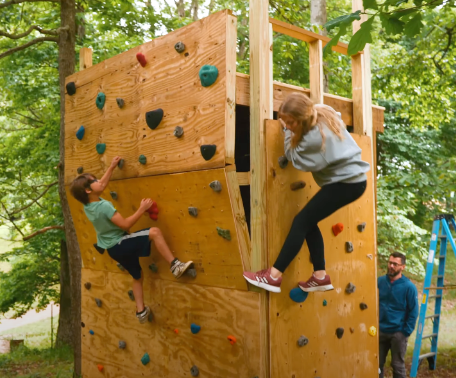
Creating an outdoor climbing wall is a fantastic way to bring adventure to your backyard or community space. Climbing walls offer not only a thrilling physical challenge but also an opportunity to foster teamwork and build confidence among climbers of all ages. Whether you’re an experienced climber or a curious beginner, understanding the ins and outs of outdoor climbing walls can enhance your climbing experience.
Benefits of Outdoor Climbing Walls
Outdoor climbing walls offer numerous benefits, making them an excellent addition to parks, gyms, and even private properties. First and foremost, they encourage physical fitness by providing a full-body workout that develops strength, balance, and flexibility. Climbing is a mentally stimulating activity that requires problem-solving skills and strategic thinking, making it a great way to engage the mind while exercising the body. Additionally, outdoor climbing walls can foster social interaction, allowing friends and family to bond through shared experiences, and creating strong community ties in public spaces.
Designing Your Outdoor Climbing Wall
When designing an outdoor climbing wall, consider various factors to ensure both safety and enjoyment. Selecting the right materials is crucial; using durable, weather-resistant materials will extend the life of your wall. The wall’s height, angle, and shape should cater to diverse skill levels, making it accessible for beginners while still challenging for experienced climbers. Incorporating features such as overhangs, jugs, and crimps offers climbers different routes to explore. Additionally, safety should always be a primary concern—include appropriate padding at the base and ensure that the climbing holds are securely mounted.
Maintenance for Longevity
Maintaining an outdoor climbing wall is essential for ensuring its safety and longevity. Regular inspections should be part of your routine, checking for wear and tear, loose holds, and any signs of structural damage. Cleaning climbing holds is also important; dirt and debris can affect grip and become a safety hazard. By scheduling annual or bi-annual maintenance, you help clients avoid injuries and maintain an enjoyable climbing experience. Furthermore, keeping the area around the wall clean and free of obstacles will promote safe climbing practices.
In conclusion, creating an outdoor climbing wall offers a plethora of benefits, from physical wellness to community bonding. By carefully designing and maintaining your wall, you can create an enjoyable space for climbers of all levels. So why not take the first step? If you’re interested in setting up a climbing wall or want to learn more about climbing techniques and safety, there are many resources available to help you get started!