
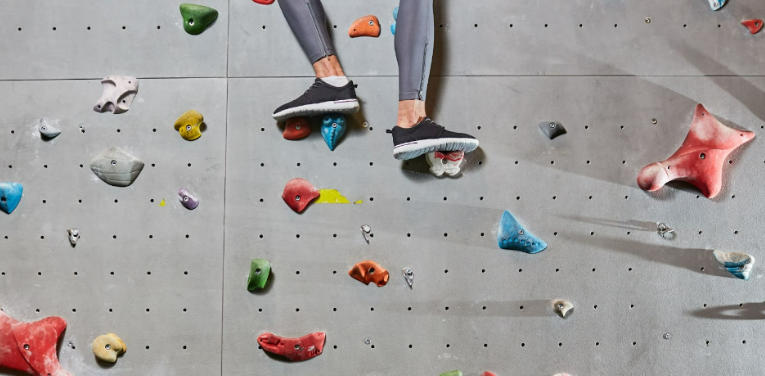
Indoor rock climbing has become increasingly popular, providing a fantastic way to build strength, endurance, and mental focus. One of the most essential components of this sport is the variety of holds found on climbing walls. Understanding the different types of climbing holds can enhance your climbing experience and help you improve your skills, whether you’re a novice or an experienced climber.
Types of Climbing Holds
When you step up to a climbing wall, you’ll notice an array of holds that come in various shapes, sizes, and textures. These can be generally categorized into grips such as crimps, jugs, slopers, and pinches. Crimps are small edges that require finger strength, while jugs are bigger, easier holds that you can grip comfortably. Slopers, on the other hand, are rounded and require you to use friction rather than grip strength. Understanding these types will not only help you choose the right route but also prepare you for the varying demands of climbing.
Choosing the Right Holds for Your Climb
Selecting the right holds can make or break your climbing experience. For beginners, starting with jugs offers a great way to build confidence, while intermediate climbers can experiment with crimps and slopers to enhance their technique. Advanced climbers often face an array of holds that challenge both their strength and creativity. Pay attention to the spacing between holds and the angles of the wall; certain positions can make even the simplest holds feel incredibly challenging. This awareness will help you adapt your climbing strategies and improve your overall performance.
Maintaining and Caring for Climbing Holds
Caring for your climbing holds is crucial to ensure safety and longevity. Regular cleaning is essential as chalk, dirt, and sweat can build up and diminish friction. Using a soft brush or cloth, gently scrub the holds to keep them clean. Additionally, inspecting for damage is vital; chips and cracks can pose risks, especially in an indoor setup. If you’re managing a climbing gym, consider a regular routine for checking and replacing holds to create a safe climbing environment for everyone.
Conclusion
Indoor climbing holds are much more than just grips; they are tools that shape your climbing journey. By understanding the different types of holds, choosing the right ones for your level, and maintaining them properly, you can maximize your climbing experience. Whether you’re looking to improve your skills or simply enjoy a fun day out, take some time to explore the fascinating world of climbing holds. Happy climbing!