
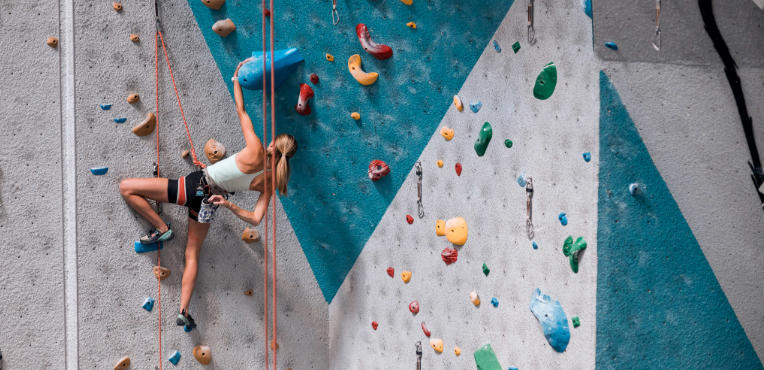
Climbing walls have become increasingly popular as a way to enjoy the thrill of climbing in a controlled environment. Whether you’re a seasoned climber or a curious beginner, understanding climbing wall rocks can enhance your experience and safety. This guide will explore the different types of holds, materials, and tips for choosing the right climbing wall for your needs.
Types of Climbing Wall Rocks
When it comes to climbing walls, not all rocks are created equal. The holds can be categorized into various types, including crimps, jugs, pinches, and slopers. Crimps offer a small ledge for your fingertips, demanding precision and strength, while jugs are larger, more comfortable holds that allow for easier grips. Understanding these holds not only helps in selecting an appropriate route but also aids in refining your climbing technique. Beginners might want to start with jugs and gradually work their way toward more challenging options.
Material Choices for Climbing Holds
The materials used in climbing wall rocks can significantly affect your climbing experience. Most indoor climbing holds are made from resin, polyurethane, or fiberglass. Each material has its pros and cons; for instance, resin holds provide excellent texture and variety, while fiberglass options are often more durable and can withstand significant wear and tear. When selecting a climbing wall, consider the grip and feel of the holds, as well as how they align with your climbing goals. A wall with a mix of different materials can offer a well-rounded training experience.
Safety and Maintenance Tips
Safety is paramount when engaging in any climbing activity. Before you start climbing, it’s essential to become familiar with safety protocols, including proper belay techniques if you’re using a harness. If you’re climbing on your own, ensure that you’re practicing on a bouldering wall and are aware of the potential hazards. Additionally, regular maintenance of the climbing holds is crucial to ensuring a safe climbing environment. Gyms typically clean and replace holds periodically to prevent deterioration, so always check for any signs of damage before tackling new routes.
In conclusion, climbing wall rocks offer a diverse and exciting way to engage with the sport of climbing. Whether you’re experimenting with different types of holds, understanding the materials, or prioritizing safety, there’s much to learn that can enhance your climbing journey. So grab some chalk, find your local climbing gym, and start your vertical adventure! You might discover a new passion for climbing that keeps you reaching new heights.