
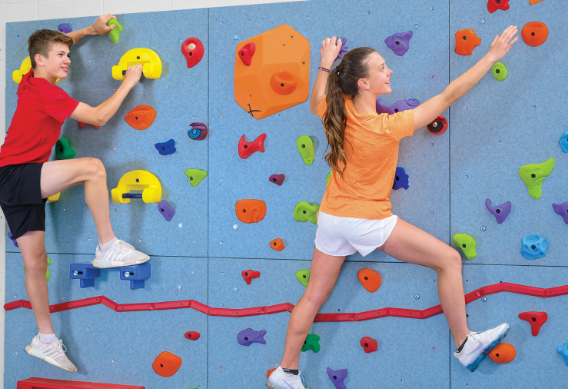
Climbing wall holds are crucial elements in the world of rock climbing, whether you’re scaling indoor walls or tackling outdoor formations. Understanding the different types of holds can significantly enhance your climbing experience, helping both novices and seasoned climbers improve their skills and technique. In this blog post, we’ll delve into the various types of climbing wall holds and how they impact your ascent.
Types of Climbing Holds
Climbing holds come in various shapes and sizes, each serving a different purpose on the wall. The most common types include jugs, crimps, slopes, and pinches. Jugs are large, easy-to-grab holds that provide a secure grip, making them ideal for beginners. Crimps, on the other hand, require a more delicate touch and finger strength, providing less surface area to hold onto. Slopers are smooth and require a solid grip technique, focusing on body positioning and balance. Pinches use your thumb and fingers to grasp, demanding strength and dexterity. Knowing these types will help you choose the right holds while climbing and develop techniques specific to each kind.
Choosing the Right Holds for Your Skill Level
As a beginner, it’s essential to start with holds that suit your skill level and gradually challenge yourself. When you’re just starting, stick to routes filled with jugs and larger holds that allow you to focus on proper foot placement and body movement without overstraining. As your confidence and skills grow, experiment with crimps and slopers to build finger strength and improve your grip. Don’t hesitate to ask more experienced climbers for advice on routes, as they can share insights based on their experiences with different holds. Remember, the right holds can make all the difference in your climbing journey.
Maintenance and Safety Considerations
Maintaining your climbing wall holds is critical for safety and performance. Regular cleaning helps prevent dirt and chalk buildup, which can hinder grip and lead to slips. Use a gentle brush or cloth to wipe them down, ensuring a clean surface for maximum grip. Additionally, inspect holds for wear and tear, as rough edges or cracks can lead to accidents. Replacing worn-out holds is essential in maintaining a safe climbing environment. Always make sure the area around your climbing wall is padded or has adequate safety measures in place, as falls can happen even to the best climbers.
In conclusion, understanding climbing wall holds is vital for enhancing your climbing experience, no matter your skill level. By familiarizing yourself with the various types of holds, choosing the appropriate ones for your ability, and maintaining safety standards, you’ll set yourself up for success on the wall. Ready to discover more about climbing techniques or perhaps tackle your first climbing session? Get out there and start exploring the exciting world of climbing!