
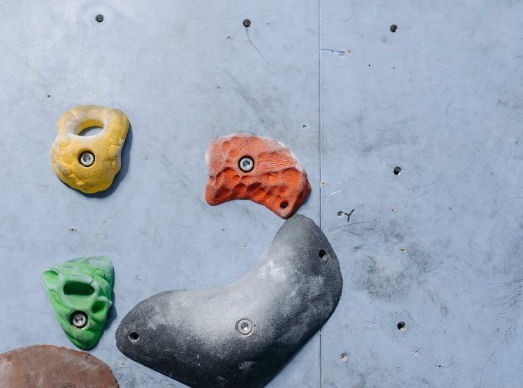
Climbing holds are a fundamental aspect of indoor climbing and bouldering, directly influencing the difficulty and style of a route. Understanding the various types of holds, their uses, and how they can affect your climbing experience can be incredibly beneficial for beginners and seasoned climbers alike. In this blog post, we’ll delve into the different categories of climbing holds and tips for choosing the right ones for your climbing journey.
Types of Climbing Holds
When it comes to climbing holds, they can generally be categorized into several types, each offering unique challenges. The most common types include crimps, slopers, jugs, and pinches. Crimps are small, edge-like holds that require significant finger strength, while jugs are larger holds that you can grasp easily, providing a comfortable respite during climbs. Slopers, on the other hand, are slanted and require good technique and body positioning to grip effectively. Pinches demand a gripping style that combines thumb and finger strength. Understanding these types will enable climbers to strategize on how best to use them on the wall.
Choosing Holds for Climbing Routes
Selecting the right holds for climbing routes is essential for creating an engaging and challenging climbing experience. If you’re setting your own routes, consider the skill level of the climbers who will be using them. Beginners may benefit from an abundance of jugs and larger holds that allow for more extended rest periods, while experienced climbers might appreciate a mix of crimps and slopers to challenge their technique. Keep in mind the importance of spacing; proper distance between holds is crucial for ensuring safety and guaranteeing that climbers can make dynamic moves without overextending themselves.
Care and Maintenance of Climbing Holds
Taking care of climbing holds is vital for both safety and performance. Regular cleaning helps to remove chalk dust, sweat, and dirt that can make holds slippery. A simple solution of soap and water can be used for a thorough scrub, but be sure to avoid harsh chemicals that could deteriorate the holds. Additionally, inspect holds regularly for any signs of wear and tear, as damaged holds can pose safety risks. By keeping your holds in good condition, you ensure a better climbing experience for yourself and others.
Conclusion
Climbing holds play a crucial role in the art and science of climbing, influencing everything from technique to body movement. By understanding the different types of holds, how to choose them effectively, and maintaining them properly, you can significantly enhance your climbing experience. Whether you’re a beginner or a seasoned pro, take the time to explore the world of climbing holds. Happy climbing!