
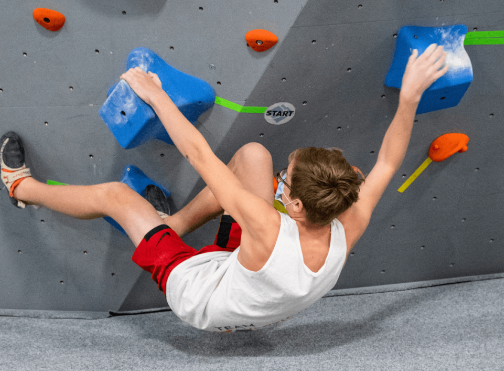
Climbing chalk is an essential tool for climbers of all skill levels, offering enhanced grip and reduced moisture on the hands during climbs. Whether you’re a seasoned mountaineer or just starting out, understanding the benefits of climbing chalk can significantly improve your climbing experience. Let’s delve into the different types of climbing chalk, how to use it effectively, and some tips for choosing the right one for your needs.
The Different Types of Climbing Chalk
When it comes to climbing chalk, there are several options available, each catering to different preferences and climbing styles. The most common types include magnesium carbonate chalk, which offers excellent moisture absorption and grip, and liquid chalk, which combines chalk with alcohol for easy application and mess-free use. There are also eco-friendly chalks made from natural ingredients, appealing to environmentally conscious climbers. Understanding these options will help you choose the one that best fits your climbing activities.
How to Use Climbing Chalk Effectively
Using climbing chalk is straightforward but requires a few best practices to maximize its benefits. First, apply chalk only to your palms and fingertips, focusing on areas that come into contact with climbing holds. Before applying chalk, ensure your hands are dry; this allows the chalk to adhere better and absorb moisture effectively. Remember to carry a chalk bag while climbing so you can conveniently reapply as necessary. Some climbers prefer to chalk up before a difficult route or challenging boulder problem to ensure maximum grip.
Choosing the Right Climbing Chalk for Your Needs
Selecting the right climbing chalk can significantly enhance your performance, so it’s worth taking the time to explore your options. Look for brands that have a good reputation for quality; typically, they offer a range of textures from fine to coarse, allowing you to find what feels right for you. Consider your climbing style and environment; for instance, bouldering often requires more frequent chalking than sport climbing, so portability and ease of use might matter more for bouldering chalk. Additionally, some climbers prefer scented chalks for a pleasant experience, while others opt for unscented to avoid distractions.
In conclusion, climbing chalk is more than just a convenience; it can enhance your grip, keep your hands dry, and ultimately boost your confidence while climbing. Whether you’re brainstorming your next climbing gear purchase or just starting your climbing adventure, investing time in understanding different types of chalk and their uses can elevate your climbing experience. So grab your chalk bag, and get climbing!