
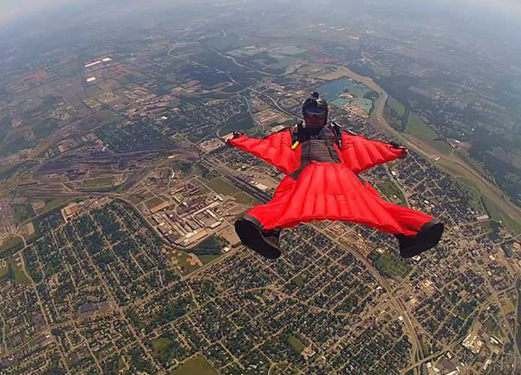
Wingsuit flying, an exhilarating sport that combines skydiving and extreme aerial acrobatics, has intrigued adventure enthusiasts for decades. However, diving into this thrilling experience requires a significant investment of time and money. In this article, we will explore the training costs associated with wingsuit flying and the time commitment necessary for aspiring pilots.
1. Understanding the Initial Costs
The first thing to consider when venturing into wingsuit flying is the cost associated with training. Typically, the journey begins with obtaining a skydiving license, which can range from $1,500 to $3,000 depending on the location, type of training, and the skydiving center. This price usually covers instructor fees, equipment rental, and the necessary jumps to gain your license. Once licensed, you will need to invest in your own wingsuit, which can cost anywhere from $1,000 to $3,500, depending on brand and features.
Additionally, you’ll need to factor in costs for recurring jumps and equipment maintenance. A seasoned wingsuit flyer might make 50 to 100 jumps per year, each costing around $30 to $50, adding up quickly. Thus, understanding the total costs associated with maintaining your flying skills is vital for budgeting your adventure.
-
- Research different skydiving schools for pricing.
-
- Invest in quality gear; it can save money in the long run.
-
- Consider joining a local wingsuit community for shared resources.
-
- Always check for any hidden fees in training programs.
2. Time Commitment for Training
The time it takes to become proficient in wingsuit flying can vary greatly among individuals. Most students spend around 3 to 6 months training after they earn their skydiving license. During this period, you will typically need to log at least 100 skydives before transitioning to wingsuit training. The training involves ground school and collaborative jumps with experienced wingsuit flyers, each requiring dedicated practice and focus.
Moreover, your training schedule might consist of weekly jumps, ground practice, and additional lectures to deepen your understanding of aerodynamics and safety protocols. Flexibility is essential, as weather conditions can often delay jumps, prolonging the overall training timeline. Being patient and committed can significantly improve your learning experience.
-
- Set specific goals for your training timeline.
-
- Maintain regular communication with instructors for guidance.
-
- Utilize any available online resources or coursework.
-
- Join group training sessions to enhance motivation and skill.
3. Additional Costs to Consider
Beyond initial training and equipment, there are additional costs that wingsuit pilots should prepare for. Insurance is an essential yet often overlooked expense. Many skydiving centers may require pilots to have personal liability insurance, which can cost around $200 to $400 annually. This ensures that you are protected in case of unexpected incidents, providing peace of mind that is crucial for your flying experience.
Moreover, attending wingsuit festivals, clinics, or workshops can enhance your skills. These events often involve entry fees, travel expenses, and additional accommodation costs. Participating in community events can be beneficial as they offer the opportunity to learn from experienced pilots and share tips, but they can also strain your wallet if not planned correctly.
-
- Look into insurance options specifically for skydiving.
-
- Plan your festival attendance around locations to save on travel.
-
- Join local wingsuit groups to find shared travel or accommodation options.
-
- Consider budgeting for annual maintenance of your wingsuit.
4. Budgeting and Financial Planning
Proper budgeting is critical for aspiring wingsuit flyers. It’s essential to create a comprehensive financial plan that includes all your projected training and equipment costs. Begin by listing down all expenses related to training, from securing your skydiving license to purchasing your wingsuit. This can help avoid unexpected expenses that might arise along the way.
Moreover, consider setting aside a dedicated monthly budget for ongoing jumps and practice. This can help in spreading the financial burden over time, making it more manageable. Joining a wingsuit group might provide additional cost-saving opportunities and resources as members often share tips on budgeting and financing their hobbies.
-
- Develop a detailed budget for your wingsuit experience.
-
- Keep track of all expenses monthly to avoid surprises.
-
- Stay disciplined with your budget to ensure financial readiness.
-
- Engage with community members for additional budgeting tips.
Wingsuit flying requires careful planning both financially and in terms of time investment. By understanding the costs and taking the necessary steps to prepare, you can embark on this thrilling journey with confidence. Don’t hesitate to consult with experienced flyers or instructors to guide you on this exciting path.