
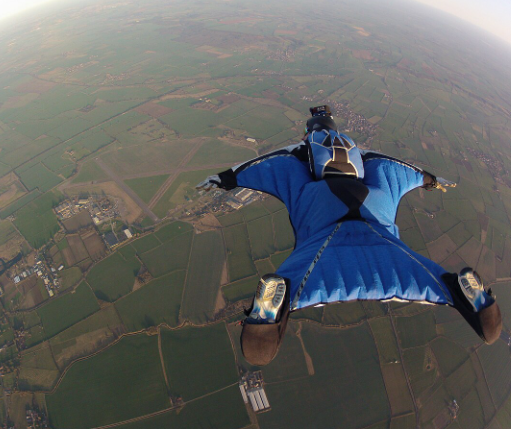
Wingsuit flying is an exhilarating sport that combines the thrill of skydiving with the freedom of flight. For those considering taking the plunge into this exciting world, understanding the fundamentals is crucial. In this guide, we’ll explore the essentials to help you embark on your wingsuit flying journey.
1. Understanding the Wingsuit
The wingsuit is a specialized outfit that adds surface area to your body to create lift as you glide through the air. Typically made from lightweight, durable materials, wingsuits have fabric wings between the arms and legs that allow for impressive maneuverability and control. Before you can soar, however, you need to understand both the type of wingsuit that will suit your needs and how to properly wear it.
Choosing the right wingsuit is also important for safety and performance. Beginner suits are usually more stable and easier to control, while advanced suits offer greater speed and maneuverability. It’s essential to consult with experienced wingsuit flyers and instructors to find a suit that fits you well and matches your flying goals.
-
- Always try on different suits to find the right fit.
-
- Consider beginners suits for initial flights.
-
- Consult with professionals about suit selection.
-
- Learn about the materials and their impact on performance.
-
- Understand the weight restrictions for wingsuit types.
2. Training and Safety Protocols
Before you can jump into wingsuit flying, rigorous training is a must. You will need to complete a certain number of skydives (usually around 200) and receive extensive hands-on training. Proper instruction will cover crucial skills such as body position, canopy control, and the unique landing techniques required for wingsuit flying, all of which are critical for your safety.
In addition to formal training, always make safety a top priority. Wearing appropriate safety gear such as a well-fitted helmet, an AAD (Automatic Activation Device), and an altimeter can be life-saving. They help you keep track of your altitude and ensure that you deploy your parachute at the right moment.
-
- Complete your skydiving certification before starting wingsuit training.
-
- Participate in ground school sessions for wingsuit flying.
-
- Practice emergency procedures consistently.
-
- Stay updated on wingsuit safety practices through forums and local clubs.
-
- Never fly alone until you’re highly experienced and confident.
3. The Art of Flying and Acclimatization
Once you’ve got the right gear and training, it’s time to experience the feeling of flying. As a beginner, you should start with smaller jumps from lower altitudes before progressing to higher elevations. Initially, focus on maintaining a stable flying position and controlling your rate of descent while getting accustomed to the sensation of gliding.
As you become more comfortable, you can start to experiment with turns and angles. Understanding how your body affects lift and drag will aid your ability to maneuver efficiently in the sky. Always remember that practice makes perfect—each jump is an opportunity to learn and improve your flying techniques.
-
- Start with lower altitude jumps until you’re comfortable.
-
- Focus on maintaining a stable body position.
-
- Gradually increase altitude as you gain experience.
-
- Learn to control your glide and make smooth turns.
-
- Keep a flight log to track your progress and experiences.
4. Landing and Post-Flight Considerations
Landing while wingsuit flying is distinctly different from traditional skydiving. The goal is to make your descent gentle and controlled. Monitor your altitude carefully and ensure your parachute deploys at the right height to give you ample time to glide down safely.
After landing, it’s just as important to assess your jump and learn from it. Review what went well and areas that may need improvement. This reflective practice not only enhances your skills but also helps reinforce safety protocols for future flights.
-
- Always approach landing sites carefully and check for obstacles.
-
- Use your legs to absorb the impact during landing.
-
- Review your jumps to identify both strengths and weaknesses.
-
- Consult your instructor or fellow flyers for feedback and advice.
-
- Stay mindful of weather conditions on each jump day.
Wingsuit flying is an extraordinary adventure that requires commitment, training, and skill. By following these basics, new flyers can set themselves up for success and safety. Don’t forget to seek guidance from experienced professionals as you embark on this thrilling journey!