
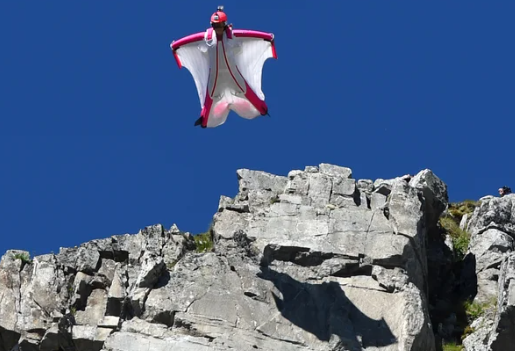
Wingsuit flying is an exhilarating experience that combines elements of skydiving and gliding. However, it also carries significant risks, particularly related to crashes and accidents. Understanding crash analysis and the lessons learned from these incidents can enhance safety and improve flying techniques.
1. Understanding Wingsuit Crashes
Wingsuit crashes can occur due to a variety of factors, including pilot error, environmental conditions, and equipment failure. A comprehensive analysis of these crashes often reveals common patterns, such as miscalculating altitude or speed, poor visibility, or unexpected weather changes. For instance, a pilot may misjudge the distance to an obstacle while flying low, leading to a crash. Such incidents underscore the importance of situational awareness in high-speed environments.
Additionally, specific crash scenarios have significant implications for improving safety measures within the sport. Academic studies and real-life case analyses help highlight these issues. Data from wingsuit crash reports indicate that many accidents could have been avoided if better pre-flight checks were conducted, and if pilots adhered to recommended safety protocols. Learning from these cases can foster a safer flying community.
-
- Increase knowledge of flight surroundings before jumping.
-
- Conduct thorough equipment checks pre-flight.
-
- Engage in continuous education about weather conditions.
-
- Maintain situational awareness during the flight.
2. Equipment and Human Factors
The right wingsuit and proper gear play a critical role in safe flying. Equipment failure, such as parachute malfunction, can precipitate a serious crash. By understanding the specifications and limitations of their wingsuits, pilots can greatly reduce risks. For example, novices should use suits designed specifically for beginners, which typically allow for better control and stability.
Moreover, human factors such as experience level and impulse control can significantly influence a wingsuit flyer’s performance. Newer pilots may be more prone to taking unnecessary risks, while seasoned pilots may become complacent over time. Understanding the balance between confidence and caution is essential for safe flight operations, making it crucial for pilots to regularly assess their mindset and skills.
-
- Select equipment based on skill level and conditions.
-
- Practice emergency procedures regularly.
-
- Invest in high-quality gear and ensure proper maintenance.
-
- Stay aware of mental and emotional states while flying.
3. Learning from Past Incidents
Analyzing past crashes teaches valuable lessons that can save lives in the future. For instance, data collected from previous incidents can reveal high-risk maneuvers or suggest modifications to existing practices. By understanding what went wrong in previous accidents, pilots can formulate strategies to enhance their flying techniques, such as avoiding risky dives near the ground or practicing more controlled landings.
Furthermore, collaboration with experienced wingsuit pilots or instructors can provide valuable insights into best practices. These seasoned flyers often have firsthand experience and can relay critical information that helps newcomers make informed decisions. Rigorous debriefings post-jump can also generate discussions that highlight potential areas for improvement, refining skills through shared knowledge.
-
- Engage in community discussions about past incidents.
-
- Attend workshops focusing on accident analysis.
-
- Seek mentorship from experienced wingsuit pilots.
-
- Form buddy systems to analyze jumps and provide feedback.
In conclusion, wingsuit flying is an exciting yet perilous sport that necessitates a deep understanding of crash dynamics and safety measures. By learning from past experiences and actively applying this wisdom, pilots can improve their safety and that of the community. Always remain vigilant, practice regularly, and stay informed to ensure the joy of wingsuit flying continues for generations to come.