
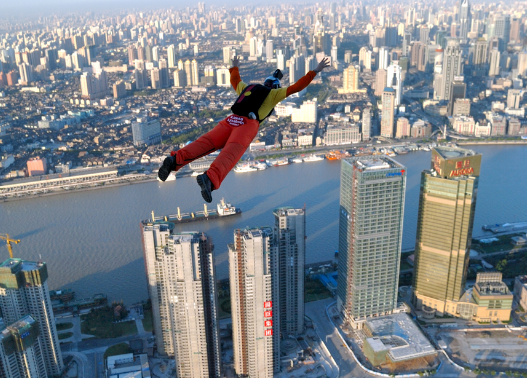
Urban BASE jumping is an adrenaline-fueled adventure that combines the thrill of skydiving with the unique urban landscape of cities. However, while the allure of jumping from iconic skyscrapers is undeniable, aspiring urban BASE jumpers must navigate a complex web of legal risks and regulations. In this blog post, we will explore some of the top urban BASE jumping locations and the legal considerations that come with them.
1. New York City
New York City, with its iconic skyline, has long been a favorite among BASE jumpers. Notable spots like the Empire State Building and One World Trade Center tantalize thrill-seekers with the prospect of launching themselves into the bustling streets below. However, the city’s stringent laws against any form of skydiving in urban settings make this a risky venture. In fact, filming and photography related to BASE jumping can also land you in hot water.
Apart from legal repercussions, jumping in NYC comes with practical hazards such as overpopulation and traffic. Understanding the wind dynamics around tall buildings is crucial, as urban environments can produce sudden gusts that can dramatically affect your descent. Ensure you are well-prepared, both mentally and physically, before attempting any jumps.
-
- Research the building’s height and structure thoroughly.
-
- Check wind patterns and weather conditions before jumping.
-
- Scout potential landing zones for safe landings.
-
- Obtain any necessary permissions, if possible.
2. San Francisco
San Francisco offers an array of picturesque locations for urban BASE jumping, from the Golden Gate Bridge to the towering Transamerica Pyramid. The city’s varied topography not only provides stunning views but also presents unique challenges. With steep hills and variable winds, BASE jumpers must be extra vigilant about their surroundings, making a thorough site assessment critical.
Legal risks here can be substantial due to strict California laws governing aerial activities. Jumping from significant heights without appropriate permits can result in hefty fines or even jail time. Create a comprehensive plan that includes your route, jump height, and emergency landing zones to minimize risks and maximize safety.
-
- Familiarize yourself with local jumping laws.
-
- Identify safe landing spots ahead of your jump.
-
- Prepare for unpredictable winds unique to the region.
-
- Connect with local jumpers to gain insights on routes.
3. Chicago
Chicago’s impressive skyline makes it an alluring spot for urban BASE jumping, especially with landmarks like the Willis Tower. However, this city’s strict legal framework should not be taken lightly. Jumping from significant heights in urban areas is heavily regulated, often requiring permits that are difficult to secure, if they are obtainable at all.
Aside from legal risks, jumpers must also consider logistical factors such as crowd control and urban surveillance. The presence of security guards and law enforcement can complicate an impromptu jump, so it’s vital to have a well-thought-out plan. Always consult with seasoned jumpers and local authorities when possible to gauge the current legal landscape and safety considerations.
-
- Discover the current legal environment regarding BASE jumping.
-
- Coordinate with other jumpers for safer options.
-
- Plan your jump for early mornings to avoid crowds.
-
- Have a quick escape route in case things go awry.
4. Tokyo
Tokyo presents an extraordinary canvas for urban BASE jumping with its fusion of traditional and modern architecture. The Tokyo Skytree and Tokyo Tower are key spots, but navigating Japan’s legal restrictions can be a puzzle. BASE jumping is generally illegal, and violators may face criminal charges that could lead to deportation for non-citizens.
In addition to legal considerations, urban jumpers in Tokyo must deal with dense populations and narrow landing areas. Carefully selecting your jump time (preferably late at night when fewer people are around) can mitigate risks. Keep in mind that even with action-packed city views, the safety of both yourself and the public should remain your top priority.
-
- Brush up on Japanese laws concerning skydiving and BASE jumping.
-
- Avoid jumping during peak hours to minimize risks.
-
- Engage with local jumpers for tips and insights.
-
- Always prioritize safety over seeking out a thrill.
Urban BASE jumping can be an exhilarating experience, but it does require careful consideration of the associated legal risks. By understanding the regulations and challenges specific to each city, you can make informed decisions that prioritize your safety and legal standing. For those serious about pursuing this thrilling activity, it may be wise to consult with professionals or local BASE jumping communities for guidance.