
Static line skydiving is an exhilarating adventure that many thrill-seekers embark upon. If you’re contemplating taking the plunge for the first time, understanding the process and safety precautions will make your experience both exciting and secure. This guide breaks down everything beginners need to know about static line skydiving.
1. What is Static Line Skydiving?
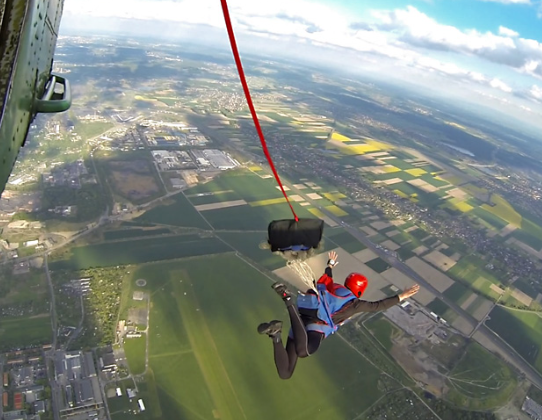
Static line skydiving involves deploying the parachute automatically as you exit the aircraft. Unlike tandem jumps, where you’re harnessed to an experienced skydiver until the parachute opens, static line divers have their parachute deployed through a cord attached to the aircraft. This method is traditionally used for new jumpers as it allows them to focus on their control and handling of the parachute without worrying about when to pull the parachute cord.
The static line is a safety feature designed to minimize the risk of freefall without any parachute deployment. After exiting, the jump initiates the deployment sequence, allowing jumpers to enjoy a smooth descent. This technique offers an effective introduction to parachuting, giving first-timers an exhilarating experience of freefall while keeping safety at the forefront.
-
- Research local skydiving centers offering static line courses.
-
- Check the weather conditions before your jump day.
-
- Wear appropriate clothing—think comfortable and weather-suitable.
-
- Be mentally prepared; listen carefully to your instructor.
2. What to Expect on Your Jump Day
Your jump day will be packed with excitement, starting from check-in at the skydiving center. After a brief introduction to the day’s activities, you’ll receive a safety briefing. This typically includes gear fitting, how to exit the plane, and proper body positioning during the jump. Your instructors will also cover what to do in different scenarios, ensuring you are well-prepared for the experience ahead.
The atmosphere on the day of your jump tends to be electric, as you and others share in the anticipation. Remember, it’s perfectly normal to feel a mixture of anxiety and exhilaration. Engage with your instructors and classmates; they are there to help and can provide reassurances. Following the safety briefing, you’ll typically suit up and undergo a final gear check before boarding the airplane.
-
- Arrive early to reduce stress and familiarize yourself with the facility.
-
- Stay hydrated, but avoid heavy meals before jumping.
-
- Connect with fellow jumpers for support and camaraderie.
-
- Get a good night’s rest beforehand to be alert.
3. Actual Jump Experience: The Thrill of Freefall
When the moment finally arrives, you’ll climb into the aircraft, typically alongside your instructors and fellow jumpers. As the plane ascends, focus on your breathing and listen attentively for final instructions. Once the aircraft reaches the designated altitude, the door opens, and it’s your time to shine. You might feel a rush of wind and adrenaline as you make the leap, and then you’ll experience freefall for around five to ten seconds.
The sensation during freefall is unlike anything else. Some describe it as flying, while others compare it to a rollercoaster ride in reverse. As soon as your static line deploys the parachute, you’ll feel a sudden but gentle deceleration. Enjoy this part of the descent, taking in the breathtaking views as you glide gracefully to the ground.
-
- Briefly rehearse your exit position beforehand; this can help calm nerves.
-
- Maintain a stable body position during freefall—bend knees slightly and keep arms secure.
-
- Once the chute opens, take time to appreciate the scenery and relax.
-
- Prepare for landing by following the instructor’s guidelines for the final approach.
4. Post-Jump: Reflection and Learning
After your jump, you’ll gather with your instructors and fellow jumpers to reflect on the experience. This is often a great time to share stories and emotions. Many find that discussing their jumps helps solidify the experience, and often, they gain insights into what they can do better next time. Your instructors will provide feedback as well, which is invaluable for your future jumps.
Documentation is also an important aspect of skydiving. You may have the opportunity to purchase photos or videos capturing your jump, giving you lasting memories to cherish and share. Consider journaling your thoughts on the experience, highlighting what you loved and what you would like to improve upon for your next dive.
-
- Set aside time to reflect on your jump; writing a journal can enhance understanding.
-
- Discuss your experience with instructors to learn from feedback.
-
- Consider scheduling your next jump soon after—momentum is key!
-
- Share your photos and stories with friends to inspire them!
Static line skydiving is an incredible adventure that can cultivate a passion for skydiving. By following safety protocols and being well-prepared, you’ll not only have a thrilling experience but also build a solid foundation for future jumps. So, why wait? Connect with a local skydiving center today and take the leap into this wonderful sport!