
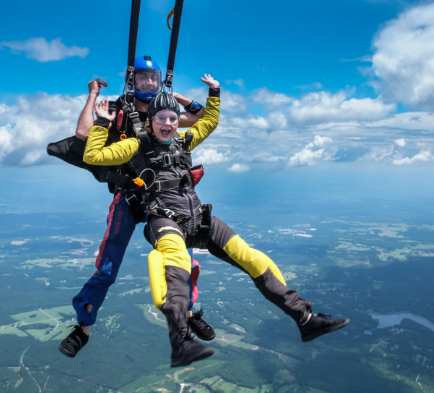
Skydiving is an exhilarating sport that offers a unique perspective of the world from above, but it also carries inherent risks, especially when weather conditions are involved. Understanding the wind limits and adhering to safety rules can make the difference between an exciting adventure and a perilous experience.
1. Understanding Wind Limits for Skydiving
Wind limits are crucial to ensuring safety during a skydive. Generally, jumpers and instructors use a variety of guidelines to determine acceptable wind conditions before a jump. For most recreational skydiving, a wind speed limit of around 15-20 mph is considered safe; exceeding this can drastically increase the risk of accidents. High winds can make the landing unpredictable and difficult to control, leading to hazardous situations.
Moreover, wind direction plays a significant role as well. Crosswinds, which blow perpendicular to the landing direction, may force the skydiver to adjust their landing approach considerably, while headwinds can help slow descent. Experienced instructors often evaluate the winds at various altitudes to ensure accuracy, especially before tandem jumps, where additional care is essential.
-
- Always check weather conditions at multiple altitudes.
-
- Familiarize yourself with local drop zone guidelines.
-
- Consult your instructor before making a decision.
-
- Consider wind factors like gusts and turbulence.
2. Weather Conditions That Impact Skydiving
Different weather conditions can affect the safety and enjoyment of a skydive. Rain, thunderstorms, and low cloud cover count as potential hazards. Rain can reduce visibility, making it hard to spot landing areas, while thunderstorms can create unpredictable wind and turbulence. Even light rain may keep jumpers grounded, leaving them waiting for conditions to improve.
Cloud cover is another factor to consider. A ceiling of less than 2,500 feet is not ideal for skydiving since it can obstruct the view needed for navigation and safe landings. Poor visibility can lead to unnecessary stress and complicated landings. Thus, keeping a close eye on local weather forecasts before a scheduled skydive is essential for safety.
-
- Check for local weather advisories frequently.
-
- Postpone jumps if thunderstorms are forecasted.
-
- Be aware of cloud cover; aim for clear conditions.
-
- Consult meteorological services for accurate updates.
3. Best Practices for Weather Safety in Skydiving
Before heading out for a skydive, having a set of best practices in place for assessing weather conditions can significantly enhance safety. First, make a plan with your skydiving instructor or facility regarding acceptable wind speeds, cloud cover, and other weather factors. Create a checklist to verify conditions before each jump. This proactive approach ensures that you’re well-prepared and can make informed decisions.
Additionally, make use of technology by checking online weather apps commonly used by skydivers. Many of these apps can provide real-time updates on wind speed, direction, and temperature to keep you informed. Collaborating with fellow skydivers during your assessment can also provide a range of insights, enhancing the overall safety culture at your drop zone.
-
- Establish a weather assessment checklist with your team.
-
- Utilize reliable meteorological apps for skydivers.
-
- Communicate with other jumpers for second opinions.
-
- Make safety a priority; don’t rush to jump in unsafe conditions.
4. Making the Call: When to Jump or Wait
Knowing when to proceed with a jump or postpone is critical in skydiving. If conditions report windspeed approaching the upper limits of safety, or if weather changes are imminent, it’s better to hold off than risk safety for a thrill. Even seasoned skydivers may find that certain conditions are not suitable, and discussing concerns with instructors can offer valuable guidance.
Study the local weather patterns applicable to your drop zone. Regions known for sudden climate changes can lead to quick adjustments in conditions. Prioritizing safety over spontaneity helps maintain a culture focused on risk management in the sport, especially for newer and less experienced jumpers.
-
- Trust your instincts; if it feels off, wait.
-
- Communicate openly with instructors about conditions.
-
- Check for last-minute weather updates.
-
- Always default to safety overrides in risky conditions.
In conclusion, understanding wind limits and adhering to weather safety rules are vital for a successful skydiving experience. Always prioritize safety and remain vigilant by consulting professionals and utilizing reliable sources to ensure ideal conditions for your jump. Safe flying!