
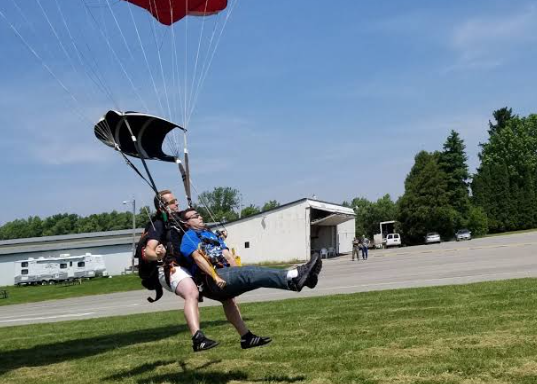
Skydiving is an exhilarating sport that offers a unique perspective on the world. However, before taking the plunge, it’s crucial to understand the weight limits and safety guidelines that ensure a secure jumping experience. This blog post will delve into skydiving weight limit rules and the important safety measures you should follow.
1. Understanding Skydiving Weight Limits
Every skydiving center establishes weight limits to ensure safety and equipment integrity. Typically, these limits range from 220 to 250 pounds, but they can vary based on the type of parachute used and the regulations of the specific skydiving facility. Exceeding these limits can compromise the parachute’s ability to slow descent, leading to dangerous conditions during a jump.
It’s essential to check with your chosen skydiving provider to know their specific weight policy. Additionally, some centers may have restrictions based on the experience level of a jumper. For instance, beginners might face lower limits than more experienced skydivers due to the complexities of parachute handling and jumping technique.
-
- Always confirm weight limits with your skydiving center.
-
- Consider participating in a tandem jump if you’re near the weight limit.
-
- Account for gear weight when calculating total weight.
-
- Be honest about your weight for safety purposes.
2. Safety Guidelines for Skydivers
In addition to adhering to weight limits, various safety guidelines must be followed to ensure a secure skydiving experience. Pre-jump briefings typically cover these guidelines, which include proper equipment checks and the importance of body positioning during freefall and landing. Understanding these instructions can significantly reduce the risk of injury.
New jumpers should always harness the expertise of experienced instructors. They can provide valuable techniques that cater specifically to your body type and experience level, which can enhance safety as you learn the ropes of skydiving. Regularly practicing safety drills is also critical, as it prepares you for various scenarios that may arise during a jump.
-
- Participate in a thorough pre-jump briefing.
-
- Always check your equipment before the jump.
-
- Practice proper body positioning during freefall.
-
- Maintain communication with instructors throughout the process.
3. Health Considerations and Preparation
Your physical health significantly impacts your ability to skydive safely. Before jumping, it’s wise to consult with a physician, especially if you have any pre-existing medical conditions like heart problems, high blood pressure, or orthopedic issues. It’s essential to disclose any health concerns to your instructor, as they can advise on the best course of action.
Furthermore, being in good physical condition can make a positive difference in your skydiving experience. Regular exercise can improve endurance and decrease the chances of fatigue during the jump. If you’re nervous or anxious, practicing relaxation techniques can also help alleviate those jitters, making the jump much more enjoyable.
-
- Consult your doctor before your first jump.
-
- Stay physically fit to enhance your experience.
-
- Communicate any medical issues to your skydiving instructor.
-
- Practice relaxation techniques if you’re nervous.
4. Choosing the Right Equipment
The right equipment is paramount for a safe skydiving experience, especially regarding harnesses and parachutes. Skydiving centers typically provide all necessary gear, but being aware of its specifications can help you feel more secure and ensure it meets your individual needs. Quality equipment is essential because it plays a vital role in your experience and safety.
When selecting a skydiving center, research their equipment maintenance and renewal policies. Centers that regularly service their gear are more likely to provide a safe and effective jumping experience. Always ask questions if you’re unsure about the equipment specifications; knowledgeable staff should be eager to help you understand your gear better.
-
- Inquire about the equipment testing policies of your skydiving center.
-
- Ask about the specifications of harnesses and parachutes.
-
- Inspect gear before use and report any concerns.
-
- Choose a center known for well-maintained equipment.
5. Post-Jump Procedures and Feedback
After you’ve completed your jump, it’s important to reflect on your experience. Most skydiving facilities offer post-jump debriefings where you can discuss any issues or challenges faced during the jump with your instructor. This feedback process is invaluable for future jumps and helps improve your technique and understanding of the entire operation.
You should also allow time for recovery after the jump, especially if it was your first. Pay attention to how your body feels and take any necessary measures for comfort and recovery. If you experienced discomfort during the jump, make sure to address it with your instructors to ensure safety on future jumps.
-
- Participate in a post-jump debriefing discussion.
-
- Make notes on your experience for personal reference.
-
- Give feedback on equipment and procedures.
-
- Rest and hydrate after your jump.
Skydiving is not just about the thrill—it’s also about safety and preparation. By understanding and adhering to weight limits, following safety guidelines, and choosing the right equipment, your skydiving experience can be not only enjoyable but also safe. Are you ready to take the leap? Consult with a professional skydiving center and prepare for the adventure of a lifetime!