
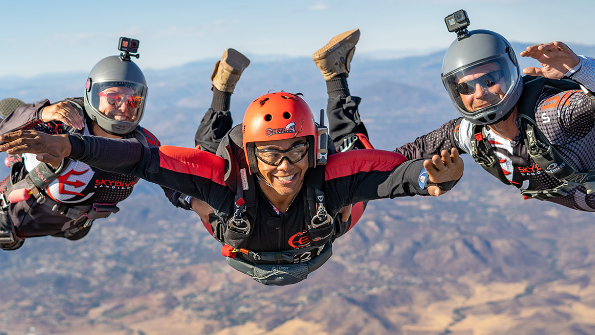
Skydiving is an exhilarating adventure that combines a love for thrill with the beauty of a bird’s-eye view. However, it’s essential to understand the training requirements and certification process to ensure safety and preparedness. This blog post will outline what you need to know to embark on your skydiving journey.
1. Prerequisites for Skydiving Training
Before you dive into the world of skydiving, it’s crucial to meet specific prerequisites. Most skydiving schools require participants to be at least 18 years old. This age requirement ensures that the individuals are mature enough to understand and accept the inherent risks involved in skydiving. Additionally, prospective skydivers must pass a medical assessment to confirm that they are physically fit for the activity.
Another significant prerequisite is to complete a waiver or consent form, acknowledging the risks and responsibilities associated with skydiving. Some facilities also recommend a brief training session before your jump, often covering the basics of body position, equipment usage, and safety protocols.
-
- Be at least 18 years old.
-
- Pass a medical assessment to ensure physical fitness.
-
- Complete the necessary waiver or consent form.
-
- Attend a pre-jump training session if available.
-
- Consider wearing comfortable clothing and closed-toe shoes.
2. The Training Process
Once you’ve fulfilled the prerequisites, it’s time to move on to the training. The initial stage typically involves ground training that can last from a few hours to a full day. This training usually includes lessons on what to expect during the jump, how to properly use parachute equipment, and emergency protocols. It often concludes with a simulated jump on the ground to help you visualize the experience.
Next comes the tandem jump, where you’ll be harnessed to an experienced instructor. This jump allows you to experience freefall while the instructor manages the parachute deployment and landing. Many schools offer a variety of tandem jumps, each designed to help you acclimate to the sensations and techniques of skydiving.
-
- Engage in thoroughly reviewing ground training materials.
-
- Practice simulated jumps to become familiar with body positioning.
-
- Keep an open mind; ask questions to better understand the process.
-
- Participate actively in your tandem jump for better retention.
-
- Stay calm and focused during your jumps for the best experience.
3. Certification and Advanced Training
After completing your tandem jumps, you might be interested in obtaining a certification to jump independently. The United States Parachute Association (USPA) offers several courses, with the Accelerated Freefall (AFF) program being one of the most popular. This program trains you to jump solo after completing a series of jumps and meeting specific skill requirements.
The certification process involves a minimum number of jumps, during which you’ll demonstrate proficiency in essential skills such as free fall control, parachute deployment, and landing techniques. Once you’ve met the requirements and successfully passed the final evaluation, you will receive your skydiving certification, allowing you to jump independently.
-
- Research reputable skydiving organizations for certification.
-
- Commit to practicing your skills with multiple jumps.
-
- Review the requirements for the certification level you aim for.
-
- Seek feedback from instructors to improve your technique.
-
- Stay informed about safety updates and regulations.
Skydiving can be an unforgettable experience, filled with adrenaline and joy. However, it is vital to have the right training and certifications to enjoy this adventure safely. Whether you’re considering skydiving for the first time or taking your skills to the next level, thorough preparation is the key to a successful jump. Consult a professional skydiving school to get started on your journey today.