
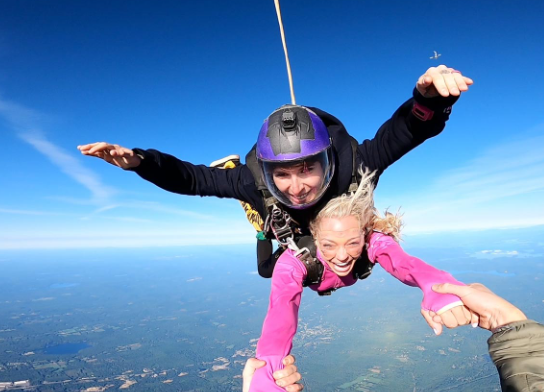
Skydiving is an exhilarating sport that draws thrill-seekers from all around the world. However, jumping from high altitudes introduces unique physiological challenges, particularly related to oxygen use. Understanding the importance of oxygen at these heights is vital for both safety and optimal performance during a jump.
1. Why Oxygen Matters at High Altitudes
As altitude increases, the air pressure decreases, which leads to a reduction in the amount of available oxygen. At sea level, the atmosphere contains about 21% oxygen, but this percentage drops as you ascend. By the time you reach altitudes above 10,000 feet, many skydivers begin to feel the effects of mild hypoxia, a condition that occurs when the body does not receive enough oxygen.
In practical terms, hypoxia can lead to impaired cognitive function, decreased coordination, and increased risk of accidents. For skydivers jumping from altitudes above 15,000 feet, the use of supplementary oxygen becomes a crucial consideration to ensure safety and performance. Proper oxygen supply helps to mitigate these risks and supports clear thinking and physical control during freefall.
-
- Understand the altitude limit where oxygen becomes critical.
-
- Know the symptoms of hypoxia (e.g., dizziness, shortness of breath).
-
- Carry supplemental oxygen when planning jumps from high altitudes.
-
- Communicate your oxygen plan with your jump team.
2. Types of Oxygen Systems Used in Skydiving
There are different types of oxygen systems that skydivers can use during high-altitude jumps. The two most common are continuous flow systems and pressure-demand systems. Continuous flow systems release a steady stream of oxygen, which is useful for jumpers who need a constant supply during freefall.
Pressure-demand systems, on the other hand, deliver oxygen only when the user inhales, making them more efficient. They are particularly beneficial for jumps at altitudes above 15,000 feet where every ounce of weight counts. Selecting the right type of system is crucial for balancing the need for oxygen with the demands of a successful jump.
-
- Assess your jumping altitude to determine the appropriate system.
-
- Test your oxygen system in a controlled environment before your jump.
-
- Review manufacturer guidelines for your specific oxygen equipment.
-
- Practice using your oxygen system during training jumps.
3. Regulations and Best Practices for Oxygen Use in Skydiving
Skydiving regulations vary by country and even by region, but many governing bodies enforce strict guidelines when it comes to supplementary oxygen use. For instance, the Federal Aviation Administration (FAA) in the United States mandates that skydivers must use supplemental oxygen at altitudes above 14,000 feet.
Staying informed about local regulations is critical not only for your safety but also for the safety of your fellow jumpers. Following best practices, such as conducting thorough pre-jump checks of oxygen tanks and ensuring that all team members are familiar with emergency protocols, can further minimize risks associated with high-altitude jumps.
-
- Consult local regulations and guidelines regarding oxygen use.
-
- Conduct pre-jump safety meetings focused on oxygen management.
-
- Ensure all equipment is regularly maintained and inspected.
-
- Plan for potential emergencies related to oxygen equipment.
4. Preparing for High-Altitude Jumps
Preparation is key for successful high-altitude skydiving. This includes not just having the right equipment but also mentally preparing for the changes in your environment. Conducting thorough pre-jump assessments will ensure that you are familiar with your equipment and know how to use it effectively, minimizing any distractions during the dive.
Nutritional considerations can also play a role in your performance at high altitudes. Proper hydration and a balanced diet leading up to your jump can help your body cope better with reduced oxygen levels. Furthermore, consider practicing controlled breathing techniques, which can help optimize oxygen usage during your freefall.
-
- Perform a thorough gear check before every jump.
-
- Stay hydrated and maintain a balanced diet leading up to your jump.
-
- Practice breathing exercises to maximize oxygen intake.
-
- Review emergency procedures with your team to ensure readiness.
In conclusion, understanding the importance of oxygen use at high altitudes in skydiving is crucial for safety and performance. Adequate preparation, awareness of regulations, and proper equipment can enhance your jumping experience. If you’re considering jumping from high altitudes, ensure you consult with experienced skydivers and professionals to optimize your safety and enjoyment in this thrilling sport.