
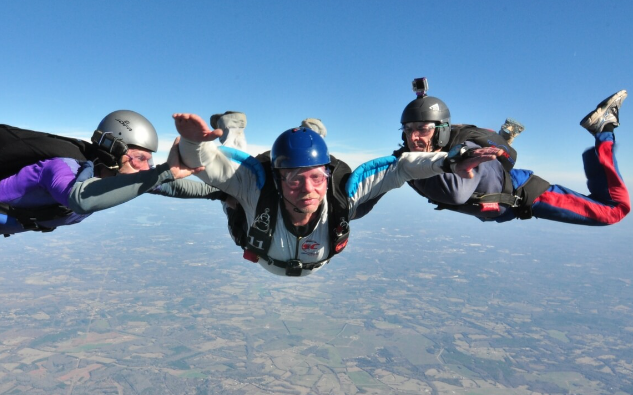
Skydiving is an exhilarating sport that attracts adventurers from all walks of life, but there’s a structured progression to mastering it, especially when aiming for advanced licenses. For those looking to elevate their skills beyond the initial thrills, understanding jump count progression is crucial. This blog post will guide you through the steps necessary to advance in your skydiving journey.
1. Understanding the Licensing Levels
Skydiving licenses are categorized based on experience and skill level. The United States Parachute Association (USPA) offers a clear framework: there are four primary licenses: A, B, C, and D. Each license has specific requirements, including a minimum jump count and skill mastery that must be demonstrated. For example, an A license requires a minimum of 25 jumps, while a B license necessitates at least 50 jumps along with additional necessary skills.
The first step in the licensing process typically begins with an Accelerated Freefall (AFF) course, where your first jumps are guided by instructors. After obtaining your A license, every jump contributes to your progression toward the B, C, and D licenses, and with each additional jump, you develop not just skill but confidence and comfort in the skies.
-
- Research USPA licensing requirements thoroughly.
-
- Keep a detailed logbook of your jumps.
-
- Discuss your progression plan with your instructor.
-
- Participate in skill-enhancing workshops or seminars.
2. The Value of Experience Jumps
Experience jumps are essential in your journey towards more advanced licenses. Each jump counts not only towards your total number but also aids in developing crucial skills such as navigation, stability, and emergency procedures. Jumps for license progression often involve specific objectives, like practicing turns or tracking, which enhance your overall capability as a skydiver.
It’s also essential to seek feedback from experienced instructors or jump partners after each jump. This constructive criticism will help identify areas for improvement and solidify good practices. Engaging with different skydiving environments and conditions can also boost your adaptability, making you a more versatile skydiver.
-
- Plan jumps to focus on specific skills.
-
- Seek constructive feedback after every jump.
-
- Vary your jump locations and conditions.
-
- Join a skydiving community to share experiences.
3. Beyond the Counts: Skill Development
Moving towards advanced licenses requires more than just accumulating jump counts; it involves dedicated skill development. As you progress beyond the A and B licenses, you’ll be expected to demonstrate advanced maneuvers like group jumps, tracking, and formation flying. These require practice and precision, so consider scheduling regular training sessions focused on these skills.
Moreover, participating in organized events or dives can enhance your exposure to different techniques and styles of jumping. Engaging with seasoned jumpers can provide insights that aren’t part of standard training, allowing you to take your skills to new heights—or depths, depending on the jump!
-
- Schedule regular training for skill enhancement.
-
- Participate in events or group jumps for exposure.
-
- Learn from seasoned jumpers and instructors.
-
- Practice emergency procedures regularly.
4. Preparing for Your Exit and Landing Techniques
Your ability to exit the aircraft safely and land correctly is crucial for progressing in skydiving. As you pursue advanced licenses, mastering these techniques becomes even more essential. Exiting the aircraft involves timing and body position, which can differ based on the type of aircraft and jump conditions. Practice is vital; be cautious and attentive during your training jumps.
Equally important is mastering landing techniques. Understanding wind conditions, ground awareness, and landing patterns can significantly improve your safety and performance. Many instructors recommend joining landing workshops, where you can practice techniques like the PLF (Parachute Landing Fall) to mitigate impact injuries.
-
- Participate in exit drills during training.
-
- Gain understanding of aircraft types and their idiosyncrasies.
-
- Practice landing techniques under various conditions.
-
- Frequent landing workshops or courses.
5. Monitoring Your Progress and Setting Goals
Tracking your progress is crucial in any educational journey, and skydiving is no exception. Keeping a logbook not only provides a detailed account of your jumps and skills but also helps establish goals for future attempts. Documenting your experiences enables you to reflect on your growth and identify areas where you need more practice. It also lends itself very well to accountability, as you can see your progress over time.
Set specific achievement milestones, such as practicing a certain number of advanced jumps within a timeframe or committing to new skills. These goals can serve as motivation and encourage consistent effort in your skydiving practice. Celebrate your achievements along the way to keep your passion alive!
-
- Maintain a detailed logbook of jumps and skills learned.
-
- Set measurable, achievable milestones.
-
- Regularly review your progress with an instructor.
-
- Celebrate small achievements to maintain motivation.
In conclusion, progressing toward advanced skydiving licenses involves a blend of structured jump counts, skill development, and practical experience. With clear goals and continuous learning, you can elevate your skydiving experience and safely enjoy the thrill of freefall. Take that next step in your skydiving journey—it’s a rewarding adventure! Seek guidance from professionals and embrace every jump along the way.