
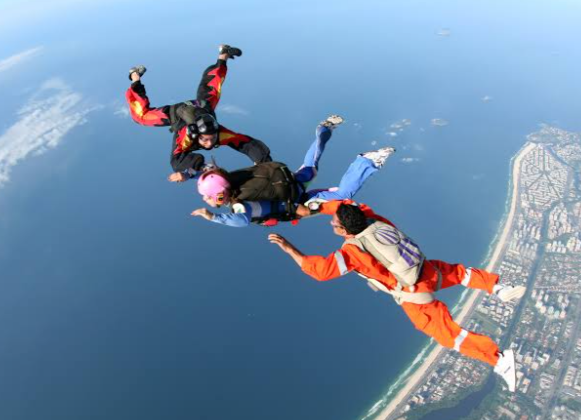
Skydiving offers an exhilarating rush and a unique perspective of the world, but it also brings certain risks. One crucial aspect often overlooked by jumpers is the importance of having the right insurance coverage for skydiving activities. Understanding the cost and coverage options can help ensure you’re adequately protected while enjoying this thrilling sport.
1. Understanding Skydiving Insurance Cost
The cost of skydiving insurance can vary significantly based on several factors, including your experience level, the frequency of jumps, and local rates. Typically, prices range from $100 to $500 annually, depending on the coverage limit and the policy provider. Beginner jumpers may find policies on the lower end of this spectrum, while seasoned skydivers engaging in more jumps might pay higher premiums.
Another critical factor in determining insurance costs is your health and age. Some providers may require medical examinations or have age restrictions, impacting overall costs. Additionally, the type of coverage you choose—such as personal liability or medical expenses after an accident—will also influence your premium. It’s essential to compare multiple quotes to find a policy that balances affordability and comprehensive coverage.
-
- Research various insurance providers specializing in adventure sports.
-
- Compare quotes from at least three different companies.
-
- Discuss any pre-existing medical conditions with the provider.
-
- Look for policies with flexible coverage options based on your needs.
2. Coverage Options for Skydiving Insurance
When it comes to skydiving insurance, different providers offer a variety of coverage options meant to protect against specific risks. One crucial coverage type is personal liability insurance, which safeguards against claims from third parties in the event of an accident. For example, if you accidentally land on someone’s property and cause damage, liability coverage helps cover the costs related to the incident.
In addition to liability insurance, many skydiving enthusiasts opt for personal accident coverage. This type of insurance typically covers medical expenses, including hospital stays and rehabilitation, stemming from any skydiving-related injuries. If you’re involved in a skydiving accident, having this coverage means you won’t have to face substantial medical bills alone. It’s essential to read through the policy details carefully to understand what is and isn’t covered.
-
- Consider personal liability insurance for third-party claims.
-
- Choose personal accident coverage to help with medical costs.
-
- Look for coverage options that include emergency medical evacuation.
-
- Verify if your policy covers skydiving while traveling abroad.
3. Choosing the Right Policy for Your Needs
Selecting the right skydiving insurance can be a daunting task, but there are steps to simplify the process. Start by assessing your needs—how often do you plan to jump, and what level of risk are you comfortable with? Next, consider your budget: while you want adequate coverage, some policies may stretch your finances too thin.
Once you’ve identified your needs and budget, it’s time to dive into policy comparisons. Pay careful attention to the terms and conditions of each option, as some policies may include limitations or exclusions. Look for reviews online, and don’t hesitate to ask fellow skydivers or experienced instructors for their recommendations on insurance providers to trust.
-
- Assess how frequently you plan to skydive to determine your coverage needs.
-
- Set a budget you’re comfortable with for insurance premiums.
-
- Check online reviews and community forums for provider feedback.
-
- Consult experienced jumpers or instructors for insights on reputable insurers.
4. Frequently Overlooked Considerations
When selecting skydiving insurance, you might overlook critical clauses that can significantly impact your coverage. For instance, ensure that the policy covers not just recreational jumps, but also competitive skydiving and any associated trainings. Activities like BASE jumping, if ever pursued, may require additional coverage or separate policies altogether.
Another often-ignored aspect is the geographical coverage. Some policies may restrict you to specific locations or exclude certain areas known for more adventurous jumps. Always ensure you read the fine print carefully to avoid surprises when it comes time to file a claim. Remember, having the right insurance policy is vital for protecting your investment in the sport.
-
- Confirm that your policy covers all types of jumps you plan to pursue.
-
- Read the fine print to understand geographical limitations.
-
- Ask about seasonal or location-based exclusions before purchasing.
-
- Assess if your policy covers any training you plan to undertake.
In conclusion, skydiving insurance is an essential part of any skydiver’s preparation. By understanding costs and exploring various coverage options, you can choose a policy that truly meets your needs. Take the time to consult with professionals and fellow jumpers to make an informed decision that allows you to enjoy every jump with peace of mind.