
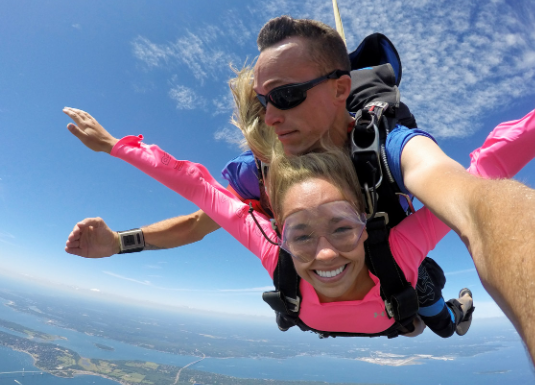
Skydiving is an exhilarating adventure that many people dream of experiencing, but before you leap from thousands of feet in the air, it’s vital to understand the health requirements necessary for a safe jump. Ensuring that you’re physically and mentally prepared can not only enhance your experience but also keep you and your instructors safe.
1. Understand Your Physical Health
Your physical health is the first barrier to entry when it comes to skydiving. Most drop zones require participants to meet specific health criteria, particularly concerning cardiovascular and overall physical fitness. Conditions such as heart disease, high blood pressure, and significant obesity could disqualify you from making the jump. Additionally, if you’re recovering from recent surgeries or chronic illnesses, it’s advisable to consult a healthcare professional before proceeding.
Being fit enhances your ability to handle the physical demands of skydiving, both during the jump and the landing. It’s essential to have the strength and flexibility to exit the plane and later assume the proper landing position. Therefore, regular exercise, a balanced diet, and maintaining an appropriate weight are crucial for anyone looking to skydive.
-
- Consult your doctor about any health concerns.
-
- Engage in regular aerobic and strength-training exercises.
-
- Maintain a healthy diet to keep your weight in check.
-
- Hydrate well before your jump.
-
- Stay informed about your medical history and any conditions.
2. Mental Preparedness is Key
Mental health is just as important as physical health when it comes to skydiving. Nervousness is normal, but excessive anxiety can affect your ability to focus and follow instructions. Ensure you have strategies to manage your stress and fear, such as deep-breathing exercises or meditation techniques. Discuss any fears or concerns with your instructor, as they can provide guidance and reassurance.
A positive mindset can also enhance your skydiving experience. Visualizing a successful jump and focusing on the excitement of the freefall can shift your perspective from fear to exhilaration. Engaging in practices that promote mental resilience, like mindfulness or cognitive-behavioral techniques, can prepare you psychologically for the adventure that awaits.
-
- Practice relaxation techniques before the jump.
-
- Engage in positive self-talk to counter negative thoughts.
-
- Visualize the jump as a thrilling experience.
-
- Communicate openly with your instructor about your concerns.
-
- Participate in group activities to boost confidence.
3. Age and Other Considerations
Most skydiving facilities have age restrictions; typically, you must be at least 18 years old to jump solo. For younger individuals, parental consent may be required. Age is a relevant factor not only for legal reasons but also due to the physical and mental stamina required for the jump. Older individuals may have to undergo additional assessments to ensure they don’t have health conditions that could jeopardize safety.
In addition, some skydiving operators have weight limits, usually around 220-250 pounds. This limit is based on both safety precautions and the gear needed for the jump. Always check the specific requirements of the facility you’re interested in to avoid any surprises. Factors such as hydration levels and body mass index (BMI) can also affect your eligibility to skydive.
-
- Confirm your age and meet legal requirements.
-
- Check if the facility has specific age restrictions.
-
- Understand weight limits and recommendations.
-
- If you’re under 18, talk to your parents about the process.
-
- Be aware of any extra assessments if you’re older.
4. Medications and Health Conditions
If you’re on medication or have a pre-existing health condition, it’s crucial to disclose this information to your skydiving instructor. Certain medications, particularly those affecting your cardiovascular system or mental state, may impact your ability to jump safely. For instance, blood thinners or anxiety medications can alter your body’s reaction during the jump, so it’s best to consult with your healthcare provider beforehand.
Additionally, conditions like epilepsy, severe asthma, or neurological disorders warrant special consideration. Consider getting a medical evaluation or clearance from your doctor before planning your jump, as the risks do vary among individuals. Always err on the side of caution; your safety should always come first.
-
- List any medications you take and their effects.
-
- Consult your healthcare provider for clearance.
-
- Disclose any pre-existing conditions to your instructors.
-
- Understand how your health conditions may affect the jump.
-
- Consider alternative activities if advised against skydiving.
In conclusion, ensuring you meet the skydiving health requirements is crucial for a safe and enjoyable experience. Whether it’s your physical fitness, mental readiness, age considerations, or health conditions, taking these factors into account will help you prepare for your adventure. Consult a professional to assess your readiness and enjoy your thrilling journey into the sky!