
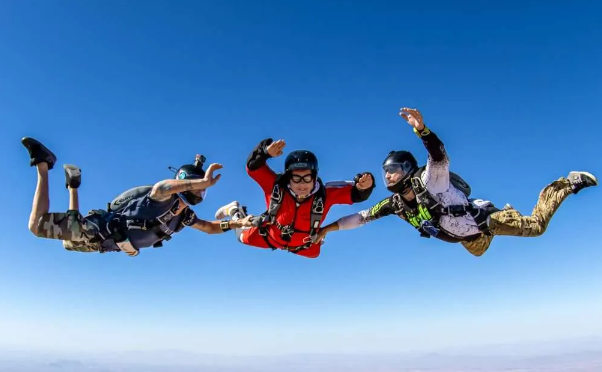
Skydiving is an exhilarating experience that many dream of, but before taking the leap, it’s essential to consider the costs involved, especially for first-time jumpers. Understanding the financial breakdown can help you prepare better and ensure that the adventure is as thrilling as it is rewarding.
1. Basic Jump Costs
The starting cost of a tandem skydive, where you are harnessed to an experienced instructor, typically ranges from $200 to $300. This price usually covers the jump itself, along with all necessary equipment, including the parachute and safety gear. Factors such as location and facility reputation can influence the price; popular tourist destinations may charge higher rates due to demand.
Additionally, many jump zones offer packages that include training or special offers, which can help reduce costs. It’s worth checking ahead of time to see if any seasonal discounts or promotional deals are available. Remember that the experience is highly valued, so be cautious of offers that seem too good to be true.
-
- Research local dive centers for pricing.
-
- Compare tandem jump costs across different locations.
-
- Look for package deals or special offers.
-
- Factor in peak seasons which could influence prices.
2. Equipment Rental and Fees
While most tandem jumps include rental gear within the initial price, there may be additional charges for specialized equipment. If you decide to opt for a solo jump after your tandem experience, you’ll need to consider gear costs, which can range from $800 to $3,000, depending on brand and type. This may also include a jumpsuit, helmet, and an automatic activation device (AAD).
Moreover, purchasing your gear can lead to long-term savings if you plan to skydive more frequently. Many first-time jumpers rent equipment, but it’s a good idea to familiarize yourself with the options available and their costs. Some facilities may also encourage you to use their safety gear, complying with safety regulations.
-
- Ask if gear rentals are included in the jump cost.
-
- Consider investing in personal gear for future jumps.
-
- Research brands and prices before purchasing equipment.
-
- Check for maintenance costs if you buy your own gear.
3. Training and Certification Costs
If you’re interested in progressing beyond a first jump, training courses typically range from $300 to $1,500, depending on the type of certification you pursue. The Accelerated Freefall (AFF) course is popular and offers a comprehensive training experience. Beginners can also attend a Ground School, which focuses on safety procedures and basic skydive techniques before jumping.
Most courses include jump fees and equipment rental, but always clarify what is covered. Completing certification not only prepares you for solo jumps but also opens doors to join skydiving clubs and participate in community events. Each jump during training is a learning opportunity, making it an investment in both safety and skill development.
-
- Evaluate available training programs and their costs.
-
- Inquire about the duration and number of jumps included in the course.
-
- Look for reviews of training centers.
-
- Understand the certification requirements specific to your area.
4. Travel and Additional Expenses
Travel costs can significantly impact your overall budget, especially if the nearest jump zone is a distance away. Transportation, accommodation, and even meals should be considered when planning your skydiving adventure. For example, if you are flying to a popular skydive location, ticket prices, airport transfers, and lodging can add up.
Moreover, factor in the potential costs of rescheduling or extra fees for video or photo packages, which many jumpers find worth the splurge. Memories captured during your jump will last a lifetime, so budgeting for these extras can enhance your experience. Planning ahead will help you avoid unexpected financial strains.
-
- Budget for travel costs, including transportation and lodging.
-
- Consider shared transportation or carpooling.
-
- Look for local eateries to save money on meals.
-
- Check for any additional costs like media packages.
5. Insurance Considerations
Although insurance may not be at the forefront of your mind when planning your first jump, it is a significant factor to consider. Many jumpers overlook the potential need for personal insurance in case of unforeseen accidents. Standard health insurance may cover basic medical expenses, but you may want specialized skydiving insurance to protect against specific injuries or liabilities.
Some skydiving centers may require you to sign waivers that limit their liability, which can make personal insurance even more vital. Assess your current coverage and see if it’s sufficient or if an additional plan is necessary for peace of mind. This will ensure you’re well-protected throughout your skydiving journey.
-
- Review your health insurance coverage.
-
- Research skydiving-specific insurance options.
-
- Ask the skydiving center about their liability policies.
-
- Understand the terms and exclusions of any insurance policy.
In conclusion, understanding the cost breakdown of skydiving will not only enhance your enthusiasm but also equip you to make informed decisions as a first-time jumper. Take the time to research each aspect thoroughly to ensure a safe and enjoyable experience. Whether it’s your first jump or you’re on the path to becoming a certified diver, preparation is key to maximizing your adventure.