
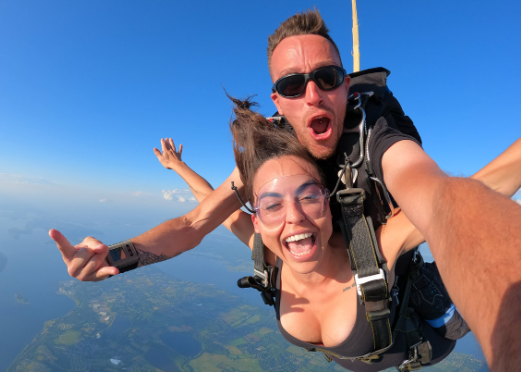
BASE jumping is an exhilarating sport that involves jumping from fixed objects and deploying a parachute to land safely. However, weather conditions can significantly influence the safety and success of these jumps. Understanding how various weather factors affect the sport is essential for every BASE jumper.
1. Wind Conditions
Wind is one of the most critical factors in BASE jumping. High winds can make it challenging to control your landing, increasing the risk of accidents. Wind speed, direction, and turbulence near cliffs or buildings can change rapidly, so it’s vital to assess these conditions accurately before jumping. A sudden gust can push you off course, making precise landings difficult and dangerous.
Moreover, the type of wind affects how you will navigate through the air. Crosswinds—winds blowing parallel to the jump path—can create problematic situations. For example, if you are preparing to land but a strong crosswind pulls you sideways, you could miss your landing zone entirely. Always check local weather forecasts and consider using wind meters for a real-time assessment.
-
- Always check for local wind conditions prior to your jump.
-
- Use a wind meter to assess real-time wind speed and direction.
-
- Factor in wind effects on your planned landing zone.
-
- Be aware of sudden gusts and changing wind patterns.
2. Visibility and Cloud Cover
Visibility is another critical aspect that affects BASE jumping. When cloud cover is thick or the weather is overcast, it can obscure your view of the landing area. Good visibility ensures you have a clear trajectory and can spot potential hazards. Jumping in low visibility conditions can lead to disorientation, causing mistakes during your descent.
Furthermore, cloud cover can create varying weather patterns at different altitudes, leading to unexpected turbulence. It’s essential to monitor the forecast for cloud conditions and allow ample time for your jump to adapt to changing visibility. Always consider jumping during part of the day when visibility is at its peak.
-
- Consult local weather reports for visibility forecasts.
-
- Consider timing your jumps for clear weather.
-
- Use a reference point on the ground for navigation.
-
- Be cautious of clouds, as they may hide terrain features.
3. Temperature and Precipitation
Temperature plays a significant role in jump safety. Cold air can make your parachute less efficient, while hot temperatures can cause more significant thermal turbulence. Additionally, rain can affect your gear, making it heavier and potentially causing malfunctions. Always check the temperature prior to your jump, as well as forecasts for precipitation.
Precipitation, such as rain and snow, can significantly impact landing zones. Wet grounds can be slippery, making it challenging to control your landing after touching down. Also, icy conditions can increase unpredictability while navigating your descent. Evaluate the terrain and your equipment regularly to account for these weather-related factors.
-
- Always check the temperature before the jump.
-
- Be cautious of precipitation; avoid jumping in wet conditions.
-
- Inspect your gear for water damage or heavy moisture.
-
- Consider the effect of cold on your body and control mechanisms.
4. Lightning and Storm Patterns
Lightning is a severe safety concern for BASE jumpers. Being caught during a thunderstorm poses not just a risk of rainfall but also the dangers associated with lightning strikes. If thunderstorms are forecast, delay your jump until the conditions are safe. Many experienced BASE jumpers will have a “no-jump” policy for any indication of storm activity in the area.
Additionally, storms can develop unexpectedly, making it essential to stay informed about meteorological changes. Use weather apps or local forecasts to keep tabs on storm patterns. Planning your jumps well in advance helps mitigate risks associated with sudden changes in weather, keeping safety a priority.
-
- Monitor weather apps for thunderstorm alerts.
-
- Never jump if lightning is present or forecasted.
-
- Ensure you have an evacuation plan if storms develop.
-
- Consider using local tracking reports to preemptively adjust plans.
Weather plays a crucial role in the safety of BASE jumping. By understanding the implications and preparing accordingly, parachutists can enjoy their sport while minimizing risks. Always consult experienced jumpers and weather professionals to make the best decisions, and remember to prioritize safety above all else.