
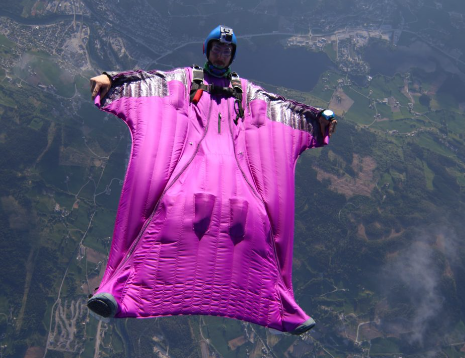
Wingsuit flying is one of the most exhilarating sports that allows you to experience the thrill of flight in a remarkable way. Whether you’re an experienced skydiver or a curious adventurer looking to take your first leap, getting into wingsuit flying requires careful planning and preparation. In this guide, we’ll walk you through the essential steps to start your wingsuit journey safely and effectively.
1. Do Your Research
Before you jump into wingsuit flying, it’s important to educate yourself about the sport. Understanding the mechanics of wingsuit flying, the types of suits available, and the best practices can significantly enhance your experience. Focus on reputable sources such as wingsuit flying forums, instructional videos, and experienced aviators’ blogs to gather valuable insights on what to expect and how to prepare.
You should also familiarize yourself with safety regulations and gear requirements in your region. Consult aviation authorities’ guidelines on skydiving and wingsuit flying to ensure you’re compliant. This foundational knowledge will help you make informed decisions about lessons, equipment, and potential risks.
-
- Read articles and watch videos about wingsuit flying.
-
- Join wingsuit flying forums or social media groups.
-
- Consult with experienced wingsuit flyers for first-hand advice.
-
- Research safety regulations specific to your area.
2. Gain Skydiving Experience
Before you can take to the skies in a wingsuit, you need to have a solid foundation in skydiving. Most wingsuit instructors require you to complete a minimum of 200 jumps with a regular parachute. This experience helps you understand free-fall dynamics and gain crucial skills like stability and body control, which are vital for wingsuit flying.
While in the air, practice different maneuvers that help you become more comfortable with your body’s movements. If you can, participate in coaching sessions, which focus on building skills that are transferable to wingsuit flying. These skills make transitioning to a wingsuit smoother and safer when you’re finally ready.
-
- Complete at least 200 standard skydives.
-
- Focus on body awareness and control during free fall.
-
- Consider enrolling in coaching sessions.
-
- Practice various maneuvers to enhance comfort levels.
3. Take Wingsuit Training
After gaining enough skydiving experience, the next step is to enroll in wingsuit training. Look for established skydiving schools that offer wingsuit courses, often conducted by certified instructors with extensive experience. These courses will teach you everything from wingsuit fittings to safe deployment techniques.
Your training may include ground instruction, simulator exercises, and actual jumps with the wingsuit under the watchful eye of your instructor. It’s essential to choose a course that includes comprehensive safety training, as well as techniques on how to handle potential emergencies during flight.
-
- Find a reputable skydiving school that offers wingsuit training.
-
- Ensure the instructors are certified and experienced.
-
- Participate in both ground school and jump methods.
-
- Learn how to handle equipment emergencies.
4. Gear Up Wisely
Your gear plays a crucial role in your wingsuit flying experience. Acquiring the right wingsuit and equipment can make all the difference. Start with a beginner-friendly wingsuit before considering a more advanced model. When purchasing a suit, consult with experts at skydiving stores and seek out recommendations based on your body type and skill level.
In addition to the wingsuit, you’ll need a reliable parachute, helmet, altimeter, and additional safety gear. Make sure to test all your equipment before every jump and ensure they are in perfect working condition to guarantee your safety during the tandems and solo jumps.
-
- Choose a wingsuit suited for beginners.
-
- Purchase a reliable parachute and helmet.
-
- Regularly check all equipment for functionality.
-
- Invest in an altimeter to monitor your altitude.
5. Stay Informed and Keep Practicing
As with any skill, wingsuit flying requires continuous learning and practice if you want to sharpen your abilities. Keep an open line of communication with your instructors and fellow wingsuit flyers. Regularly attend safety briefings, forums, and workshops to stay updated on the latest techniques and safety protocols.
Set specific goals for your progression and document your jumps to analyze your performance. This practice will help you identify areas that need improvement. Maintain a positive attitude and don’t rush your progress—wing flying is an art that requires patience and dedication.
-
- Continuously learn from experienced wingsuit flyers.
-
- Attend regular safety briefings and workshops.
-
- Document your jumps to track improvements.
-
- Set goals for skill progression.
Wingsuit flying can be an incredibly rewarding experience if approached with the right preparation and mindset. By following these steps, you can safely take your wingsuit flying journey to new heights. Always consult professionals, practice responsibly, and most importantly, enjoy the thrill of flight!