
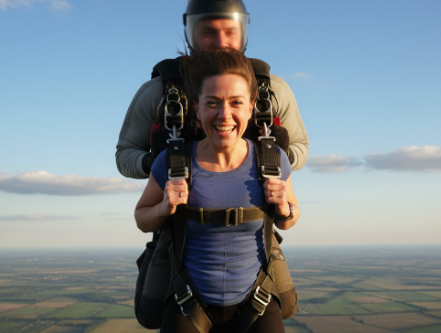
High altitude jumps can be exhilarating yet nerve-wracking experiences. Building confidence before taking the plunge is crucial for a successful jump. With the right preparation, you can transform anxiety into excitement, allowing you to enjoy the thrill of the jump.
1. Understand the Basics of High Altitude Jumps
Before stepping off that plane, it’s essential to understand what you are getting into. High altitude jumps, typically involving skydiving from over 10,000 feet, require specific techniques, equipment, and safety measures. Familiarize yourself with terms like free fall, canopy, and altimeter. Knowing what to expect can ease your mind and imbue you with confidence.
Participating in a comprehensive training program is also beneficial. These programs usually include classroom sessions and practical exercises that cover safety protocols and equipment use. The more you learn about the process, the less daunting it will feel when you finally take the leap.
-
- Read educational material about high altitude jumps.
-
- Attend training classes for beginners.
-
- Speak with experienced skydivers.
-
- Visualize the jump process step-by-step.
-
- Ask questions about any unclear aspects.
2. Practice Visualization Techniques
Visualization is a powerful tool in building confidence. By mentally rehearsing your jump, you can create a positive emotional response that will help calm your nerves. Picture yourself suited up, climbing the altitude, and successfully completing your jump. By envisioning success, you strengthen your ability to perform well in reality.
Consider making this practice a daily routine leading up to your jump. Find a quiet space, close your eyes, and spend a few minutes imaging the entire sequence of events, focusing on the joy of free fall and the beautiful views. This not only reduces anxiety but makes the leap feel more familiar.
-
- Set aside time each day for visualization.
-
- Create a peaceful environment for concentration.
-
- Focus on positive feelings associated with jumping.
-
- Repeat affirmations like “I am prepared and capable.”
-
- Make your visualizations as vivid as possible.
3. Engage in Physical and Mental Preparations
Physical preparation can significantly impact your confidence. Engaging in activities like hiking, yoga, or strength training not only improves your physical fitness but also boosts your mood and self-assurance. Being in good shape can help you feel more in control and less anxious as you prepare for the jump.
Mental preparations are equally crucial. Activities such as meditation or mindfulness can help you focus on the present moment, thereby reducing your stress levels. Building habits that contribute to your overall well-being can create a more grounded mindset, allowing you to face the jump with composure.
-
- Incorporate regular workouts tailored for endurance.
-
- Try yoga for flexibility and breathing techniques.
-
- Practice mindfulness or meditation to calm your mind.
-
- Connect with a support group of fellow jumpers.
-
- Enjoy outdoor activities to simulate the jump experience.
4. Choose the Right Equipment and Team
Having the right gear can make a world of difference in your experience. Ensure that you are equipped with a reliable parachute, safety harness, and jumpsuit. Familiarize yourself with the equipment before your jump; knowing how each component works will ease your mind when it’s time to take the leap.
Equally important is selecting a trustworthy team for your jump. Look for experienced instructors and well-reviewed companies. A reputable team can instill confidence through their professionalism and knowledge. Make sure to communicate any fears or concerns to your instructor; they can provide personalized guidance and reassurance.
-
- Research different parachute systems.
-
- Inspect your gear ahead of time.
-
- Follow your instructor’s advice on setup.
-
- Ask questions about equipment functionality.
-
- Ensure that your chosen team has thorough credentials.
5. Address Your Fears and Embrace the Experience
Recognizing your fears, rather than suppressing them, is a pivotal part of building confidence. Write down your concerns and reflect on them openly. Knowing what scares you can help demystify those fears, enabling you to confront them head-on. By breaking down these fears, you take away their power and make the jump feel more manageable.
Embrace the unique experience of high altitude jumps. Each jump can teach you something different about yourself, whether it’s the thrill of free fall or conquering fear. Remember, it’s a journey, and the lessons learned will carry far beyond the jump itself.
-
- Jot down your fears and consider their root causes.
-
- Talk to others about their experiences and fears.
-
- Focus on the personal growth that comes with facing fears.
-
- Accept that feeling afraid is part of the process.
In conclusion, taking a high altitude jump can be a life-changing experience, especially when approached with the right mindset. By understanding the basics, practicing visualization, engaging in physical and mental preparations, choosing the right gear and team, and addressing your fears, you can build a well-rounded confidence that will transform your jump into a memorable adventure. Take that leap and discover the exhilaration waiting for you!