
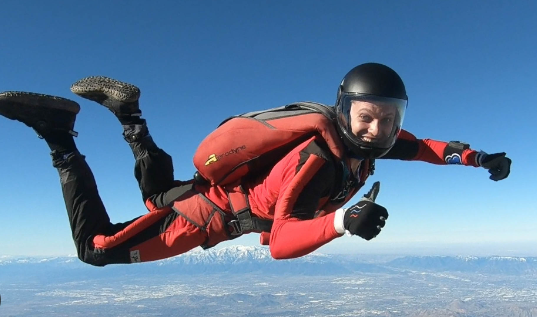
If you’re considering an exhilarating journey into the skies with a skydiving license, you’re not alone. Many thrill-seekers around the world are looking to earn their wings, and understanding the timeline involved can help you prepare for this exciting adventure. In this post, we will break down how long it takes to achieve a skydiving license and what you should expect during the process.
1. Understanding Skydiving License Requirements
The first step toward earning your skydiving license is understanding the regulatory requirements. In the United States, the United States Parachute Association (USPA) sets the standards for skydiving certifications. To obtain a skydiving license, you typically need to complete a minimum of 25 jumps, including specific solo jumps and advanced training. This foundational knowledge not only ensures your safety but also prepares you for subsequent licensed skydiving activities.
Each skydiving license level has its own requirements. For instance, the A License, which is the entry-level skydiving certification, necessitates completing specific educational modules about parachuting safety, equipment, and emergency procedures. Understanding these requirements thoroughly can streamline your learning experience and set a strong foundation for your future skydiving adventures.
-
- Research USPA licensing regulations.
-
- Familiarize yourself with the types of licenses (A, B, C, etc.).
-
- Prepare for solo jumps and instructional courses.
-
- Know what equipment you’ll need for each stage of your training.
2. Estimating the Timeline for Training
The time it takes to earn your skydiving license greatly depends on your availability for training and weather conditions. Many newcomers can achieve their A License in as little as 4 to 6 weeks if they are dedicated and can commit to several jumps a week. However, if you have a busy schedule or live in a region with unpredictable weather, it may take several months to complete your training.
During your training, you will undergo a combination of ground school, tandem jumps, and solo jump instruction. Ground school generally lasts one to two days, focusing on safety protocols, equipment handling, and emergency procedures. The more you practice, the quicker you’ll learn, but patience is essential for mastering this skill. Establishing a regular practice schedule can significantly speed up your journey to obtaining your license.
-
- Set aside time each week for training sessions.
-
- Practice consistently to build comfort in the sky.
-
- Keep track of your jumps to monitor progress.
-
- Seek feedback from instructors to improve your technique.
3. Factors That Affect Your Progress
While many aspiring skydivers can complete their training in a few months, various factors can influence your progress. One major factor can be your physical condition; being in shape will help you manage the physical demands of jumping and landing. Additionally, the frequency with which you jump matters; the more often you jump, the faster you will build your skills and confidence.
Your mental state also plays a crucial role—skydiving requires focus, and overcoming any initial fears can lead to a more enjoyable experience. Skipping several weeks or months between jumps can lead to a decline in your skill level, which may slow down your path to licensing. To combat this, consider joining a skydiving club; this social aspect can motivate you and help you stay involved with the skydiving community.
-
- Stay physically active to handle the demands of skydiving.
-
- Regularly practice jumps to build experience.
-
- Join a local skydiving club for support.
-
- Work on mental techniques to reduce anxiety.
4. Preparing for Your Skydiving Adventures
Once you have your skydiving license, preparation for your adventures doesn’t end! You’ll need to continue honing your skills by taking advanced courses and participating in group skydives. Learning about different jumping techniques and forming connections within the skydiving community can open doors to exciting opportunities, such as participating in competitions or group jumps.
Earning your skydiving license also permits you to jump at various drop zones across the country and even internationally. However, you need to stay updated with safety certifications and best practices, as equipment technology and safety protocols evolve frequently. Attending refresher courses or engaging in skill workshops can enhance your confidence and keep your skills sharp.
-
- Consider advanced skydiving courses for skill enhancement.
-
- Participate in group jumps to build camaraderie.
-
- Stay informed about equipment updates and safety protocols.
-
- Network with other skydivers for tips and experiences.
In conclusion, earning your skydiving license is an achievable goal that typically takes around 4 to 6 months of dedicated training, with various factors influencing the timeline. By staying committed to your training and seeking out educational opportunities, you’ll be well on your way to enjoying the exhilarating sport of skydiving. Take that leap of faith today, and consider reaching out to a local skydiving school to get started on your skydiving adventure!