
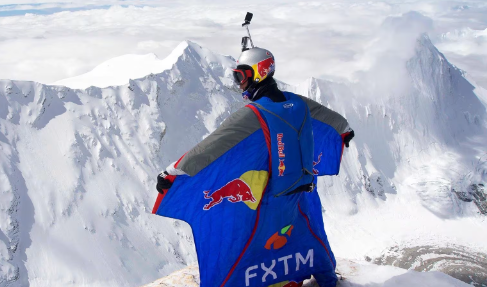
BASE jumping is an extreme sport that pushes the limits of human courage and skill. In this adventure-seeking activity, jumpers leap from fixed objects, typically with a parachute that deploys after freefall. Among both enthusiasts and professionals, the record for the highest BASE jump is a topic of fascination.
1. The Record-Breaking BASE Jump
The highest BASE jump ever recorded occurred on October 1, 2017. Renowned BASE jumper and skydiver, Valery Rozov, made this incredible leap from the Northeast Face of Mount Everest. Rozov leaped from an astonishing altitude of about 7,700 meters (25,263 feet). This monumental jump was the result of years of meticulous planning and a deep understanding of weather conditions, human limits, and safety protocols.
Rozov’s jump not only showcased his exceptional skills but also reflected innovative approaches in wing suit technology and parachute design. The wingsuit he used allowed for extensive maneuverability during freefall, significantly enhancing his control and safety as he approached landing. This feat has inspired both adrenaline junkies and the general public, showcasing not just the physical challenges involved but also the passion and dedication behind such an extreme sport.
-
- Research the history of significant jumps before attempting your own.
-
- Study advanced parachuting techniques and wingsuit control.
-
- Understand the altitude limits and weather conditions necessary for safe jumps.
-
- Consult with experienced BASE jumpers before planning a jump.
2. Preparation for High-Altitude Jumps
Preparing for a high-altitude BASE jump is far more intricate than just strapping on a wingsuit and leaping off a cliff. It involves extensive physical and mental conditioning, as well as thorough knowledge of environmental factors. Weather plays a critical role, as sudden changes can pose grave risks during a jump from such heights. Prior experience in skydiving and BASE jumping is essential to handle the rigors of altitude and rapid changes in physics once you leave the jump point.
Mental preparation is equally important. High-altitude jumps demand sharp focus and quick thinking, especially when conditions are less than optimal. Mental visualization techniques can help jumpers stay calm under stress, enabling them to stick to their training and execute their plans efficiently. Documentation of earlier jumps and experiences can also be beneficial for future reference and improvement.
-
- Engage in mental conditioning through visualization exercises.
-
- Practice regular jumps to build skills before attempting high-altitude feats.
-
- Establish a detailed jump plan, including exit strategy and landing zones.
-
- Assess personal fitness levels regularly and work on building endurance.
3. Execution and Safety Measures
The execution phase of a BASE jump is where all the preparation comes into play. On the day of the jump, jumpers must assess real-time conditions such as wind speed, cloud cover, and temperature. These factors can greatly impact both the jump and the landing, requiring quick adjustments to plans if necessary. Having a reliable team of spotters and fellow jumpers can help ensure all aspects are covered, contributing to a safer experience.
Safety measures during the jump are crucial. Utilizing a reserve parachute can be a lifesaver if the primary parachute fails to deploy correctly. Jumpers should also conduct regular equipment checks and familiarize themselves with various landing techniques. One of the biggest threats during high-altitude jumps is altitude sickness, so it’s critical to manage descent rates and avoid rapid ascents before jumping.
-
- Conduct checks on all gear before the jump.
-
- Familiarize yourself with different landing techniques.
-
- Have a clear communication plan with your team.
-
- Consider using a GPS device for tracking your jump path.
BASE jumping, especially from extreme heights like Mount Everest, is a thrilling yet dangerous activity. While pushing personal limits can be incredibly rewarding, it’s vital to respect the skill, preparation, and safety required for such endeavors. If you’re considering stepping into the world of BASE jumping or high-altitude adventures, seek professional training and community support to ensure the safest experience possible.