
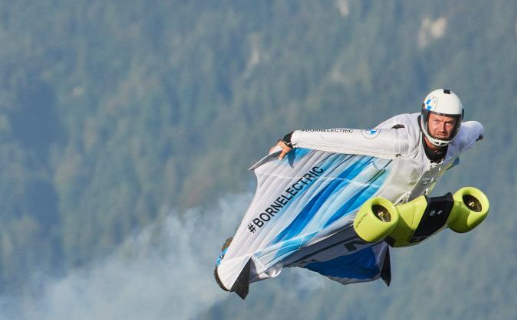
Wingsuit flying has captivated adventure seekers and aerodynamics enthusiasts alike, blending the thrill of skydiving with the grace of flight. As technology evolves, the future of wingsuit flying promises to bring innovative tools and techniques that will enhance safety, performance, and overall experience. Let’s explore the emerging trends that might define the future of this exhilarating sport.
1. Advanced Materials for Enhanced Performance
The wingsuit design is constantly evolving, with new materials making their way into the manufacturing process. Lightweight and durable fabrics, such as superstrong ripstop nylon and advanced composites, can enhance both the performance and safety of wingsuits. For example, researchers are exploring the use of materials that optimize aerodynamics while being resistant to wear and tear, ensuring that a wingsuit remains reliable throughout diverse flying conditions.
Moreover, integrating materials with better thermal properties can be a game-changer during high-altitude jumps. By providing insulation against extreme cold, these advanced materials can keep pilots safe and comfortable, enabling longer flights and more complex maneuvers. Such innovations will not only improve flight dynamics but also expand the capabilities of wingsuit flying.
-
- Research advanced materials to find options that balance weight and durability.
-
- Test prototypes in various conditions to understand their performance.
-
- Consider thermal properties in high-altitude jumps for enhanced safety.
-
- Stay informed about new developments in aerospace textiles.
2. Enhanced Safety Features Through Technology
Safety has always been paramount in wingsuit flying, and future technology is poised to revolutionize it further. One of the most promising advancements is the integration of smart helmets equipped with augmented reality (AR). These helmets can display crucial data like altitude, speed, and GPS coordinates right in the pilot’s line of sight, allowing for better situational awareness during dives that could otherwise be disorienting.
In addition, automated parachute deployment systems are being refined to respond to a wingsuit flyer’s altitude and position in real time. This technology aims to provide an extra layer of security, allowing for automatic activation of parachutes should a pilot lose consciousness or stray far from their intended flight path. These innovations represent significant steps forward in ensuring that this thrilling sport remains as safe as possible.
-
- Invest in smart helmets that offer augmented reality for situational awareness.
-
- Look for wingsuit models incorporating automated deployment systems.
-
- Regularly update and maintain safety equipment to ensure reliability.
-
- Participate in training that familiarizes users with new safety technologies.
3. Data Analytics for Performance Improvement
Just as athletes in various sports have begun leveraging data analytics, wingsuit pilots are increasingly utilizing technology to improve their performances. With the advancement of drones and tracking devices, flyers can analyze their flight patterns, speed, and aerodynamics to make informed adjustments. These data-driven insights can simplify the process of refining techniques to achieve longer and more controlled flights.
Wearable technology is also gaining traction, with devices that track vital signs and body movements contributing to a more robust understanding of how a pilot’s physical condition impacts performance. This amalgamation of data science with wingsuit flying not only enhances individual skills but also helps identify training needs and risks associated with fatigue or overexertion.
-
- Use wearable tech to track heart rates and body movements during flights.
-
- Analyze data from flights to understand performance metrics.
-
- Invest in software that helps visualize flight paths for better comprehension.
-
- Connect with a community of wingsuit flyers to share analytics insights.
4. Virtual Reality Training and Simulations
As technology continues to advance, virtual reality (VR) offers an exciting training method for wingsuit flying. VR simulations allow aspiring pilots to experience the thrill of flight in a safe and controlled environment. By immersing themselves in high-fidelity environments that mirror real-world scenarios, pilots can practice techniques, hone their skills, and build confidence before taking to the skies.
Additionally, VR can serve as an invaluable tool for seasoned pilots to visualize challenging maneuvers or practice emergency procedures without the risks associated with actual jumps. By retraining muscle memory in a virtual space, flyers can enhance their preparedness for unpredictable in-air conditions and improve their overall performance.
-
- Invest in high-quality VR systems that simulate wingsuit flying.
-
- Regularly practice in VR for skill reinforcement and confidence building.
-
- Collaborate with trainers or experienced pilots who use VR for refinement.
-
- Trial different environments in simulations to prepare for various conditions.
As technology continues to shape the landscape of wingsuit flying, enthusiasts stand on the brink of a new horizon filled with possibilities. By embracing these exciting trends, pilots can improve their performance while prioritizing safety and enjoying the thrill of flight. Whether you are a novice or a seasoned pilot, keeping an eye on these advancements may inspire you to take the next leap in your wingsuit journey.